AI has come for Arizona’s water
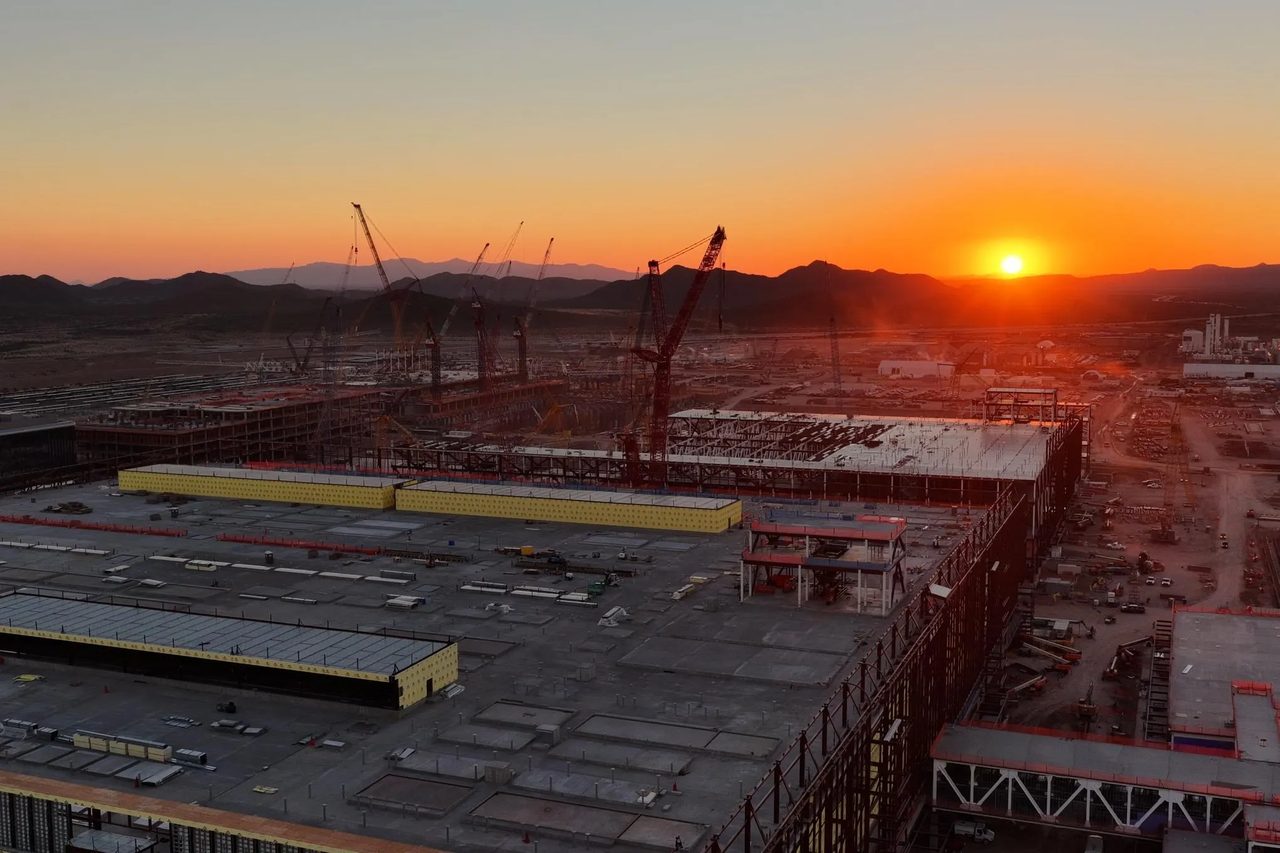
A hulking gray giant rises from the desert. Inside, engineers create the force behind our phones and computers and appliances, our streaming services and search engines and chatbots and vibe-coded apps and websites. The complex is simultaneously massive and squat, dwarfed by the mountains that surround it, and it is endless. I drive past one building, and then another, and then the ground opens up where construction crews have dug up the earth so a third building can rise. There is a parking lot, and then another, and then another. There is an empty lot on the other side of the street, full of cars and the occasional food truck to feed the thousands of laborers who are busy transforming this expanse of desert into an industrial park. There is dust, so much of it, choking the air.
I stand before the savior of Arizona’s economy. Like all great deities, it demands sacrifice. In the desert, nothing is more precious than water, and water is what must be given — nearly 5 million gallons a day, every day, sourced from Phoenix’s municipal supply. The offering has been well worth it.
All of this is the fruit of the Taiwan Semiconductor Manufacturing Company, the world’s leading producer of microchips. Its Arizona operation is the result of a pre-pandemic gamble Phoenix made to revive its sluggish economy , which never quite rebounded from the Great Recession. Now TSMC’s foundry looms over the city’s outskirts.
TSMC is a success story, one that some local leaders may have hoped to repeat with hyperscale data center developments. The progression may have seemed natural: The Grand Canyon State is not only home to the largest chip factory this side of the Pacific but also 172 data centers , neither of which faced much pushback. But the newer, larger developments being proposed from Phoenix to Tucson demand more of everything — more water, more power, more land — than Arizonans are willing to give. Where TSMC was welcomed with open arms and the first wave of data centers was largely ignored, new developments are facing mass backlash in Arizona, where a grassroots, surprisingly bipartisan coalition of residents has united against data centers.
Now the state has a sixth C, Arizona native Christine Mackay tells me. “Chips.”
In reporting this story, I spoke to local activists and economic developers, elected officials and their angry constituents. I sat in on city council meetings where people lined up by the dozens to speak up against data center projects, and in cozy suburban homes where tight-knit groups of former strangers told me about the struggle that brought them together. I pored over maps of Arizona’s dry, cracked landscape with laypeople who, over the past two years, have made themselves experts on zoning and land use and water consumption so they can understand the beast they’re trying to fight. The locals on both sides of this debate claim to want the same thing: a better, more prosperous Arizona. Their visions for achieving it, however, are completely at odds.
In Arizona and elsewhere, data center developers have tried to win over locals by making enticing promises about the jobs, tax revenue, and infrastructure they’ll bring with them. All they ask for in exchange is water — and, they swear, not nearly as much of it as you’d expect. Some hyperscale data centers, like Google’s facility in The Dalles, Oregon, use about 1.5 million gallons a day, about one-third of what TSMC’s Arizona complex consumes in the same timeframe. Those reassurances, however, aren’t enough to assuage Arizonans, who now have to contend with the fact that the state will soon lose access to nearly 30 percent of the water it receives from the Colorado River.
Even now, as people across the country sour on AI and fight against data centers in their communities, TSMC’s Arizona operation hums along without significant opposition. And yet it’s impossible to make sense of why Arizonans are so opposed to new data center development without first understanding why they eagerly welcomed TSMC, even though both industries must contend with the issue that has plagued Arizona since its founding: There isn’t enough water.
For as long as anyone could remember, business in Arizona revolved around the storied “five C’s”: cattle, copper, cotton, citrus, and climate, a catchall for the region’s mild, salubrious winters, which locals say often more than make up for the sweltering summers.
Now the state has a sixth C, Arizona native Christine Mackay tells me. “Chips.”
The TSMC development is, in a sense, Mackay’s doing. As the head of Phoenix’s economic development office, she spearheaded the effort that brought the Taiwanese giant to the Sonoran Desert. In 2020, while the global economy was all but shut down, TSMC made an announcement. The same forces that brought the world to a standstill had created even more demand for TSMC’s products, and in response, TSMC would be opening an advanced semiconductor foundry — a “fab,” in industry jargon — in Phoenix. Initially, TSMC predicted that it would pour $12 billion into Arizona’s economy by 2029. Since then, TSMC’s projected expenditure in the state has ballooned to $265 billion, what the company touts as the largest foreign direct investment in US history.
TSMC just put the finishing touches on its second fab in a formerly desolate swath of north Phoenix, with a third under construction and plans for several more underway. This buildout has been more than a decade in the making. TSMC started shopping around for a US location in 2016. That year, Mackay said, the company put out a request for proposals through a codename. No one won.
“We aren’t a group that takes no for an answer,” Mackay said proudly. Her office asked TSMC executives what they thought Arizona was missing, and then spent the next three years addressing their concerns. In 2019, Phoenix sent a delegation to Taiwan to share a new development plan for a science and technology park, the nucleus of which would be a factory,…
Les actualités sont collectées automatiquement depuis des flux publics robotique & IA.
Articles liés
文远知行001号员工带队,景烁科技首轮融资数千万美元
10月29日,文远知行披露旗下子公司景烁科技首次融资进展
小雨智造与国家钢结构质检中心共建实验室,乔忠良:具身智能新质生产力已成事实
2026年10月27日,“工业具身智能焊接与检测技术联合实验室”正式揭牌成立。
刚刚,扩散模型杀进Agent主场!350亿参数,速度比Jev快一倍
用扩散模型怎么做做Agent?
24万开卖!理想重造i6,李想:目标全球畅销
理想今年最后一场发布会,自研电池芯片全部上车
刚刚,Gemini 4 Carbon全面超越Opus 5.5!首发Token半价
能连肝数日修Bug,免疫提示词注入
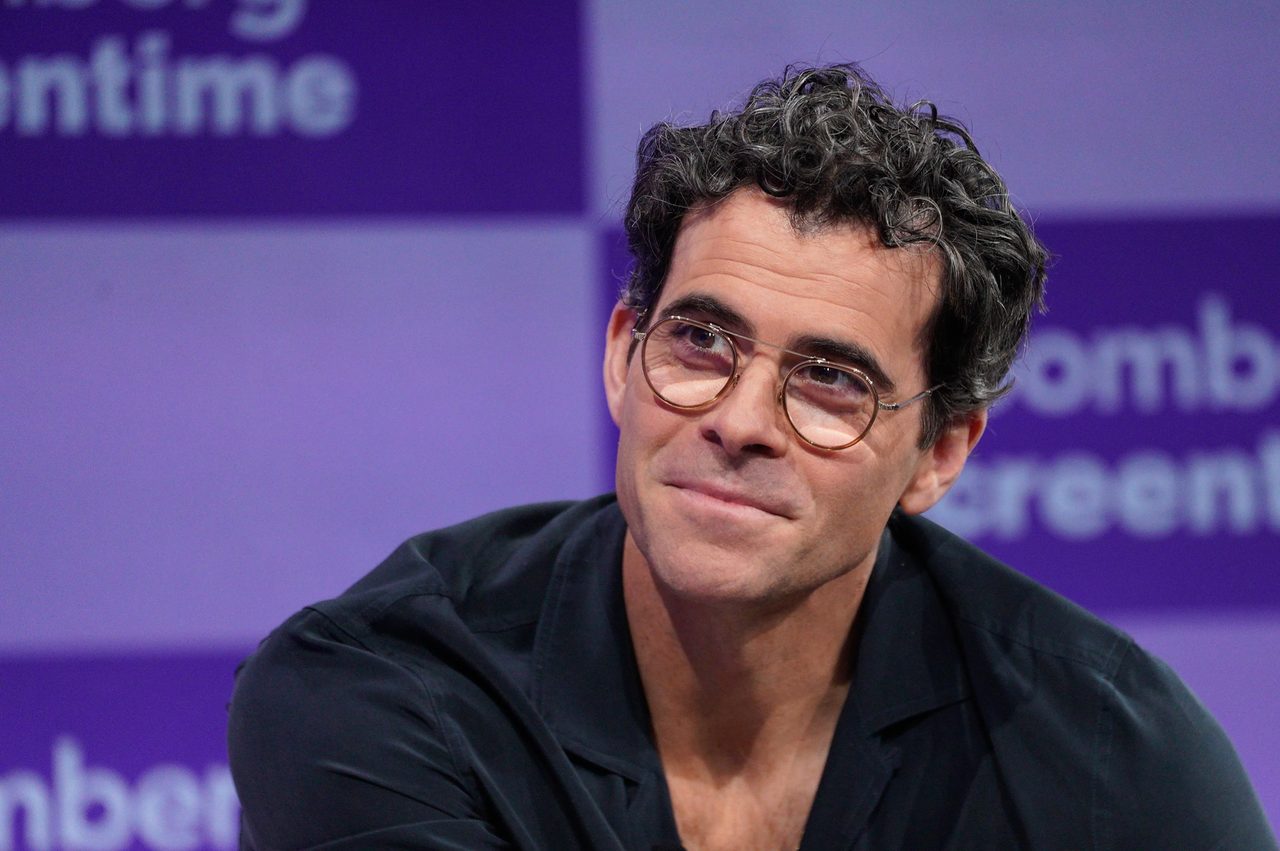
Adam Mosseri says negativity around AI is ‘going to get worse’
Asked about AI and the trend of college students booing tech CEOs at graduation ceremonies, Instagram head Adam Mosseri acknowledged in an interview that a lot of people really don't like AI, and it's not just young people and creatives. Appearing on the Colin and Samir podcast to talk about the lau