Bringing predictive analytics to the agentic AI era
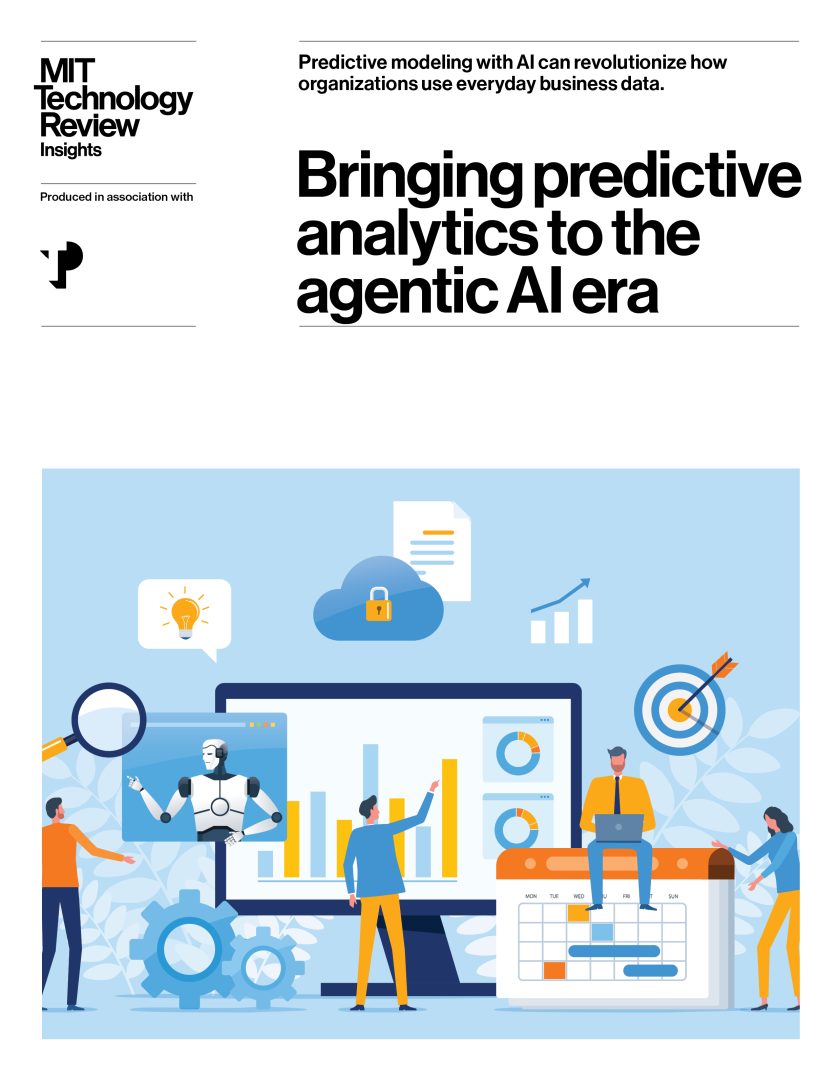
In 2026, the question for enterprise AI is no longer whether predictive models can outperform statistical forecasts—that argument is settled. The big question now is how to enable predictive systems to act on their own conclusions without drifting from business intent. The frontier has moved from prediction to autonomous decision making, and the gap between leaders and laggards is widening accordingly.
“Enterprises are done with a backward-looking point of view; they want to be more forward-thinking,” says Vishal Gupta, partner at research firm Everest Group.
DOWNLOAD THE REPORT
Intelligent analytics, powered by technologies like deep learning and generative AI, are making this possible. Real-time training allows AI to evolve continuously instead of waiting for quarterly refreshes. In addition, the data that newer predictive engines rely upon has expanded to encompass not just neat, numerical records but also messy, unstructured sources of insight-rich interactions. As a result, AI-powered analytics are moving enterprises from passive hindsight to pragmatic foresight.
AI takes predictive analytics—a broad discipline that includes predictive modeling, data prep, analysis workflows, interpretation of results, and decision-making applications—to new heights. “In many ways I think the word ‘analytics’ is giving way to AI,” says Gupta. “Everything is becoming AI.”
Download the report
This content was produced by Insights, MIT Technology Review’s custom content arm, not its editorial staff. It was researched and written by humans, with any AI tools that may have been used limited to production processes under human oversight.
Les actualités sont collectées automatiquement depuis des flux publics robotique & IA.
Articles liés
Anthropic launches free AI security scans for open-source projects
Anthropic's offering to help open-source projects track down security vulnerabilities with a new service called OSS Scanner. It says open-source projects that opt-in will get "thorough, periodic security scans by our strongest models at no cost." That could mean open-source projects get alerted abou
Inside Elon Musk’s Midterm Spending Spree
This week on “Uncanny Valley,” we discuss where Elon Musk’s PAC is spending millions, the latest ideology Trump claims is dangerous, and the backlash against the designer behind Muse’s logo.
Pretend you’re sitting at Elizabeth Holmes’ desk on this weirdly detailed website
With over a thousand emails, slides, texts, and documents from the United States v. Elizabeth Holmes trial, Extend engineer Bo Lau created a website that simulates what it might have been like to rifle through the Theranos founder's desk.
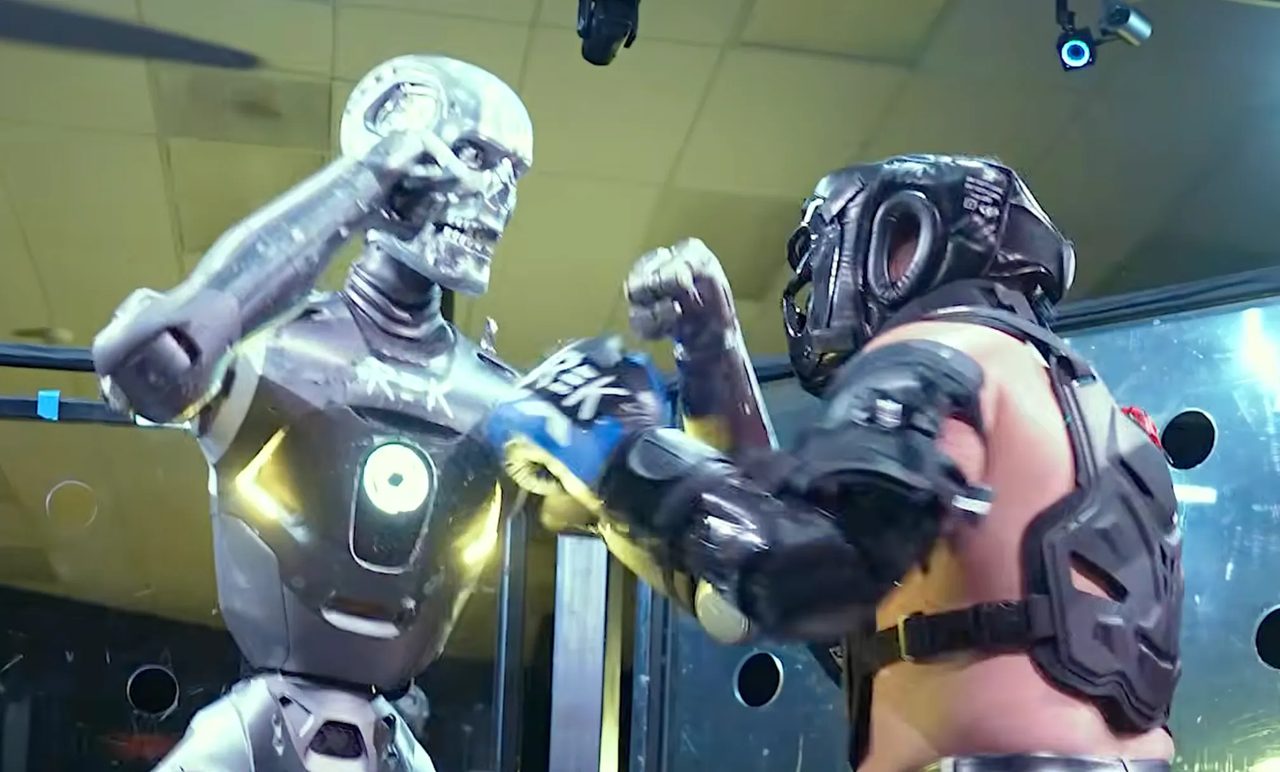
California is trying to shut down robot vs. human cage matches
The California State Athletic Commission sent a cease-and-desist letter to a startup that hosted a match between a human and a robot last month, as reported by The New York Times. The fight, which took place on September 18th, pitted a human, Frankie LaPenna, against a humanoid robot owned by a tech
Fired OpenAI safety researchers dispute misconduct claims, warn of chilling effect
Three fired OpenAI safety researchers dispute allegations of mishandling sensitive information, warning in an open letter that their dismissals are creating a chilling effect on the company’s AI safety culture.
She Designed Meta’s New AI Logo. Then Came the Hate
Jessica Hische knew working for Meta might upset some people. But she didn’t anticipate just how angry they would get.