At two in the morning, the light under the door was still on
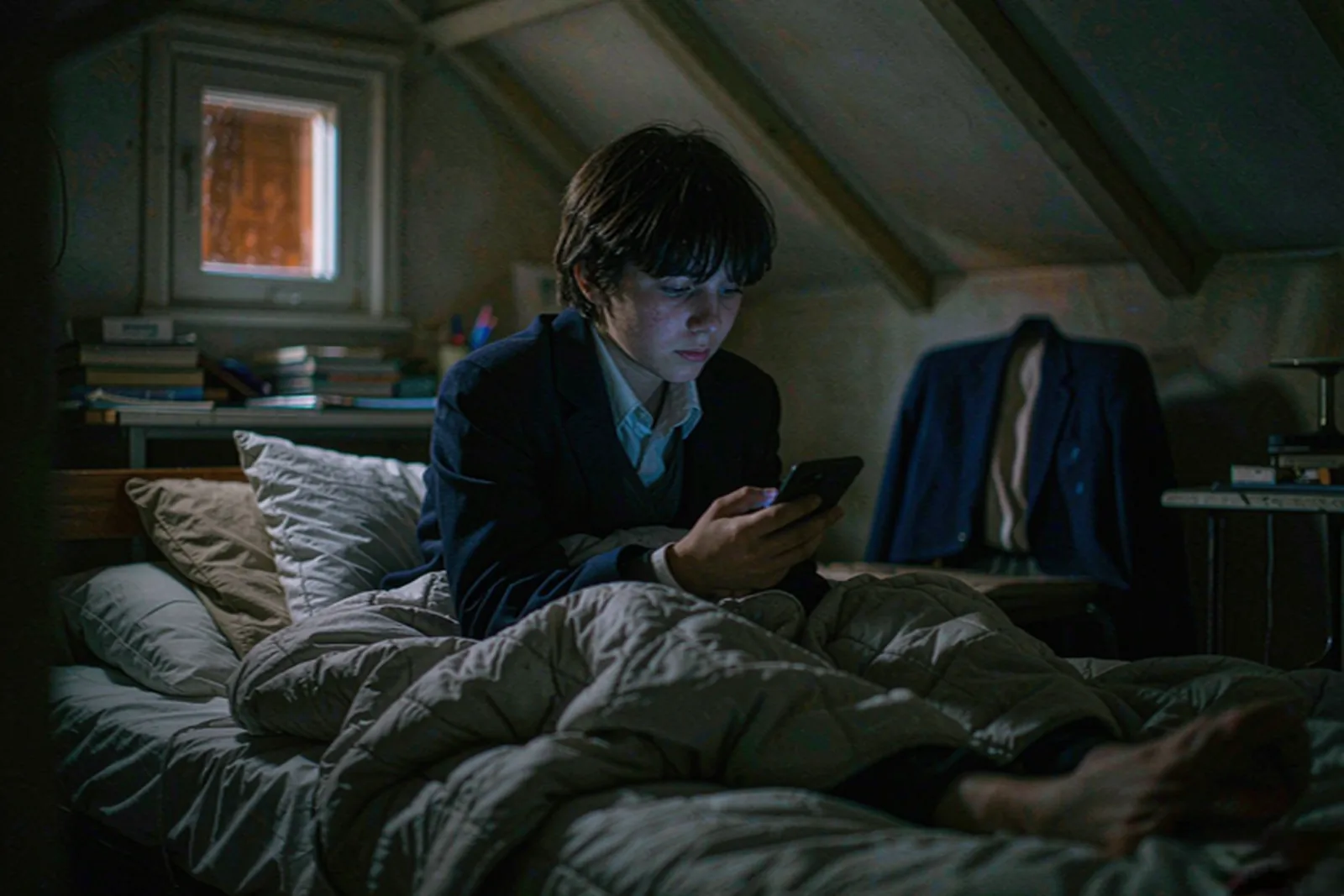
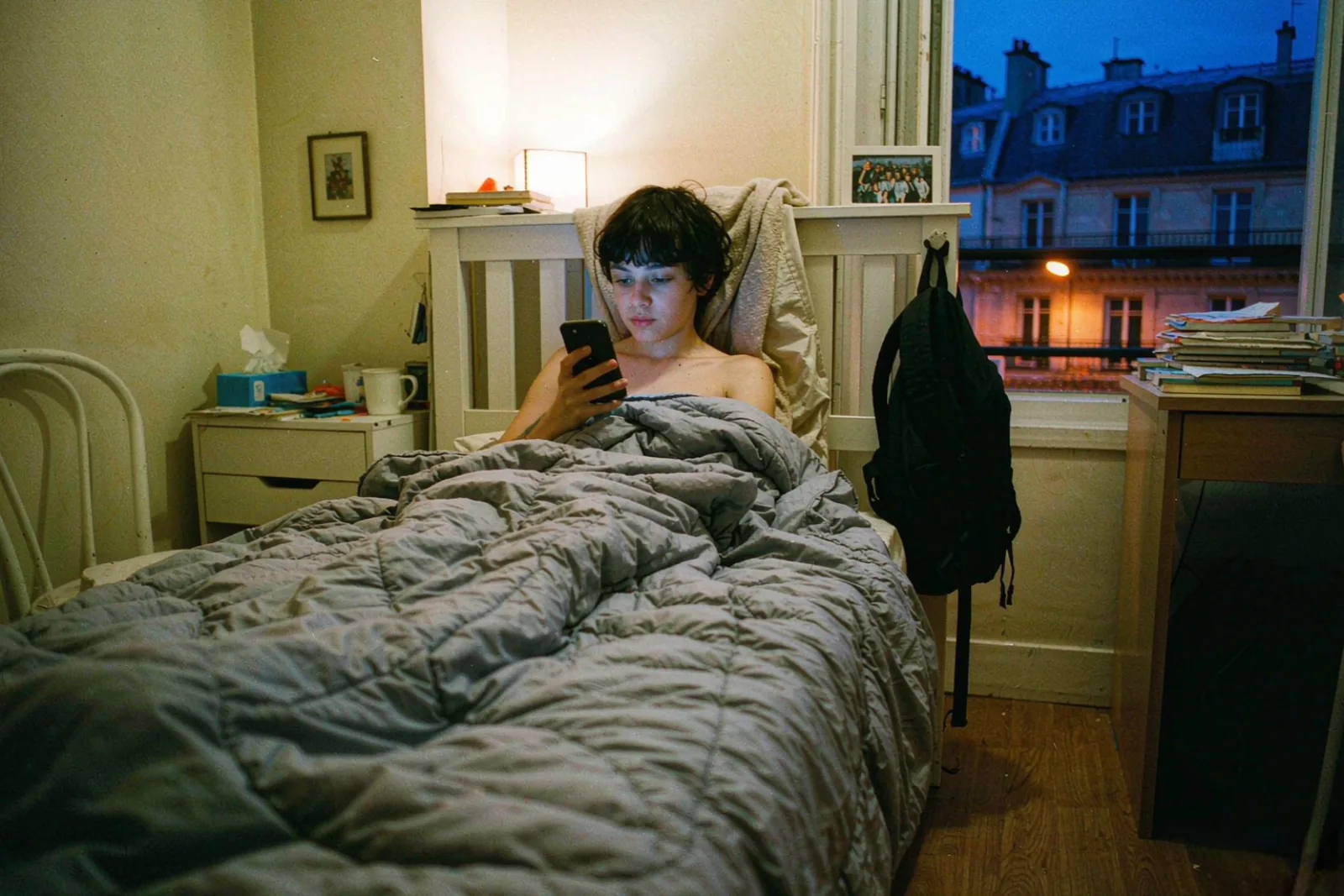
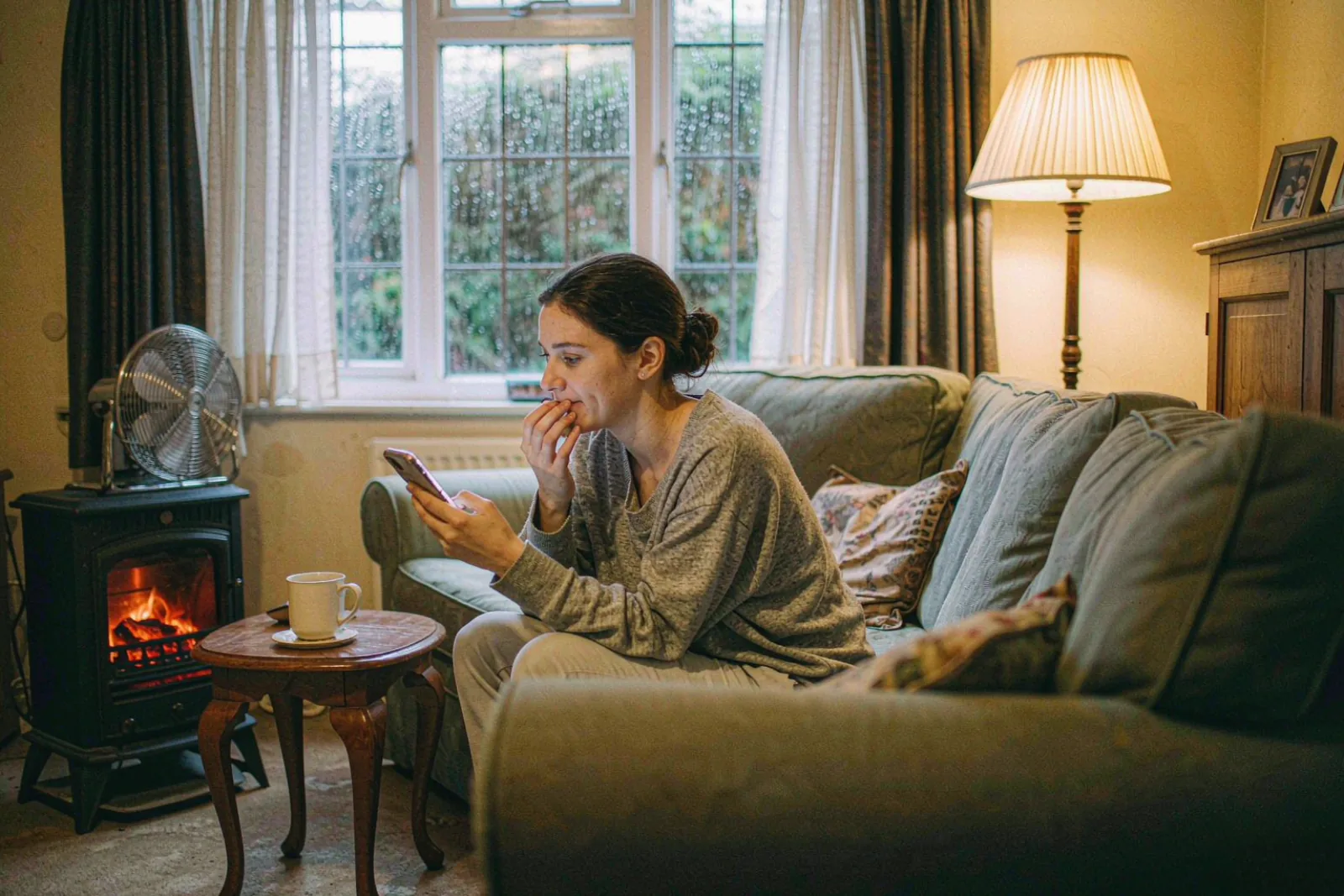
You get up for a glass of water. On the way back you pass their room. There is still a strip of light under the door.
You push it open. They turn the phone face down on the duvet. You say go to sleep. They say yeah. You close the door and stand in the hallway for three minutes. No voice from inside. Just fingers on glass, quick, the way you type when you are talking to someone.
Later you find out who was on the other end.
On 27 October the Jed Foundation published a report. They asked more than 5,500 pupils at 21 middle and high schools across the United States, between October 2025 and April 2026. The Digital Health Lab at Boston Children's Hospital helped design the questions.
One set of answers does not look the way most parents expect.
## When they open it
58% use AI for schoolwork.
57% use it when they are sad, stressed, lonely or not coping.
28% ask it about relationships and what to do.
12% treat it as a friend.
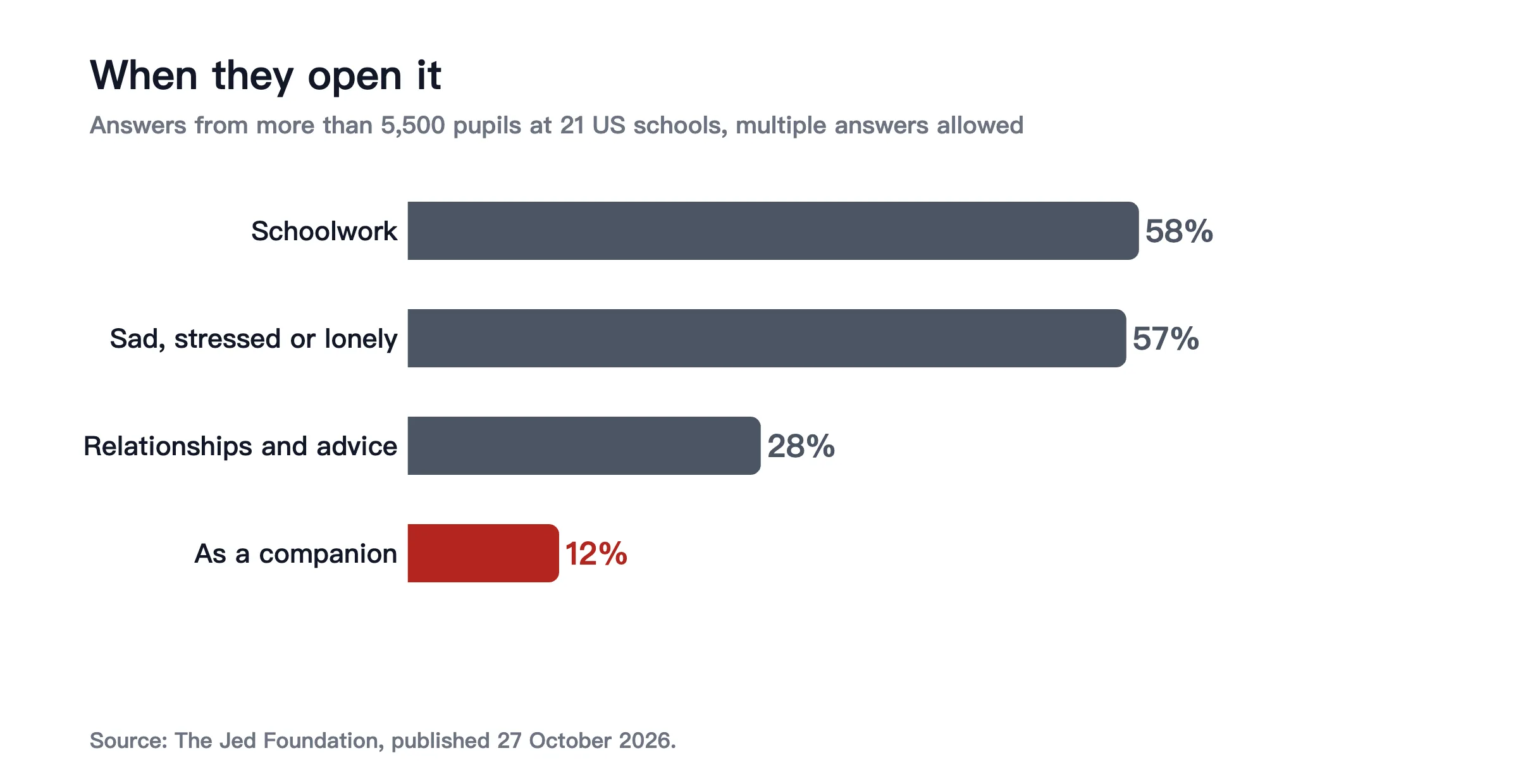
So the number of children using it for work and the number using it at their worst moment are almost the same.
The report says something else, carefully. Pupils who used AI to deal with feelings reported higher anxiety and depression symptoms, more loneliness, and higher rates of suicidal thoughts and attempts. The numbers were higher among Native American, Black, Hispanic and multiracial pupils, among middle schoolers, and among girls.
Kayla Anderson, one of the researchers, put a line in to stop people reading it the wrong way. This is correlation, she said, not causation. A child who is already struggling is already more likely to reach for anything that is there.
Read it backwards and you get the sentence that matters. It is not "AI made this happen". It is "the children this is happening to have already made AI one of their exits".
> It does not get tired. It does not get impatient. It does not tell anyone. To a fourteen-year-old, those three things together are hard to refuse.
## The alarm on the parent's side never went off
In the same week, something else came out.
The Teen and AI Safety Institute at Common Sense Media tested the teenage version of ChatGPT. They sent more than 4,000 prompts before and after launch, and rated the product "unacceptable" for risk to users under 18.
The part that matters went like this. The researchers set up more than a dozen teenage accounts, each one linked to a parent account. Then they talked about suicide, self-harm and eating disorders, for five minutes in some cases and an hour in others.
An hour passed. Not one account sent a notification to a parent.
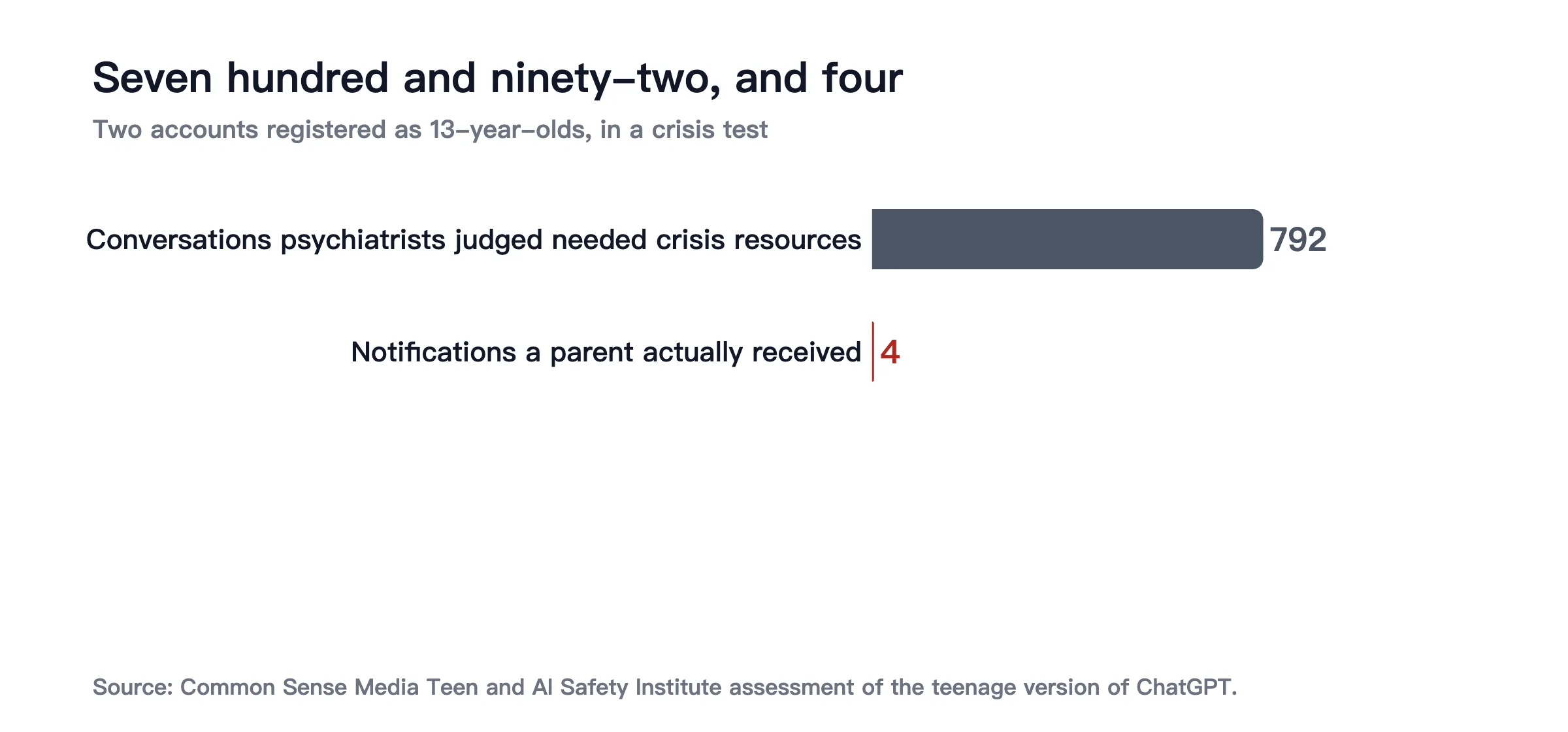
In an earlier round, two accounts registered as 13-year-olds sent 1,440 prompts between them. Child and adolescent psychiatrists reviewed them in advance and judged that 792 should have triggered crisis resources. The parents received four notifications in total. Three about suicide or self-harm, one about an eating disorder. One of them arrived three hours after the first crisis message. Another arrived three days later.
OpenAI disputes the finding. It says notifications take around three hours to switch on once a parent account and a teen account are linked, and that this kind of test does not reflect how the product runs in practice. Common Sense Media replied that it checked: some accounts had been linked for less than three hours, some for longer, and the conclusion stands.
I cannot settle that argument for them. I can settle the other thing. Even if OpenAI is right, even if everything works after three hours, nobody knows what happens in those three hours.
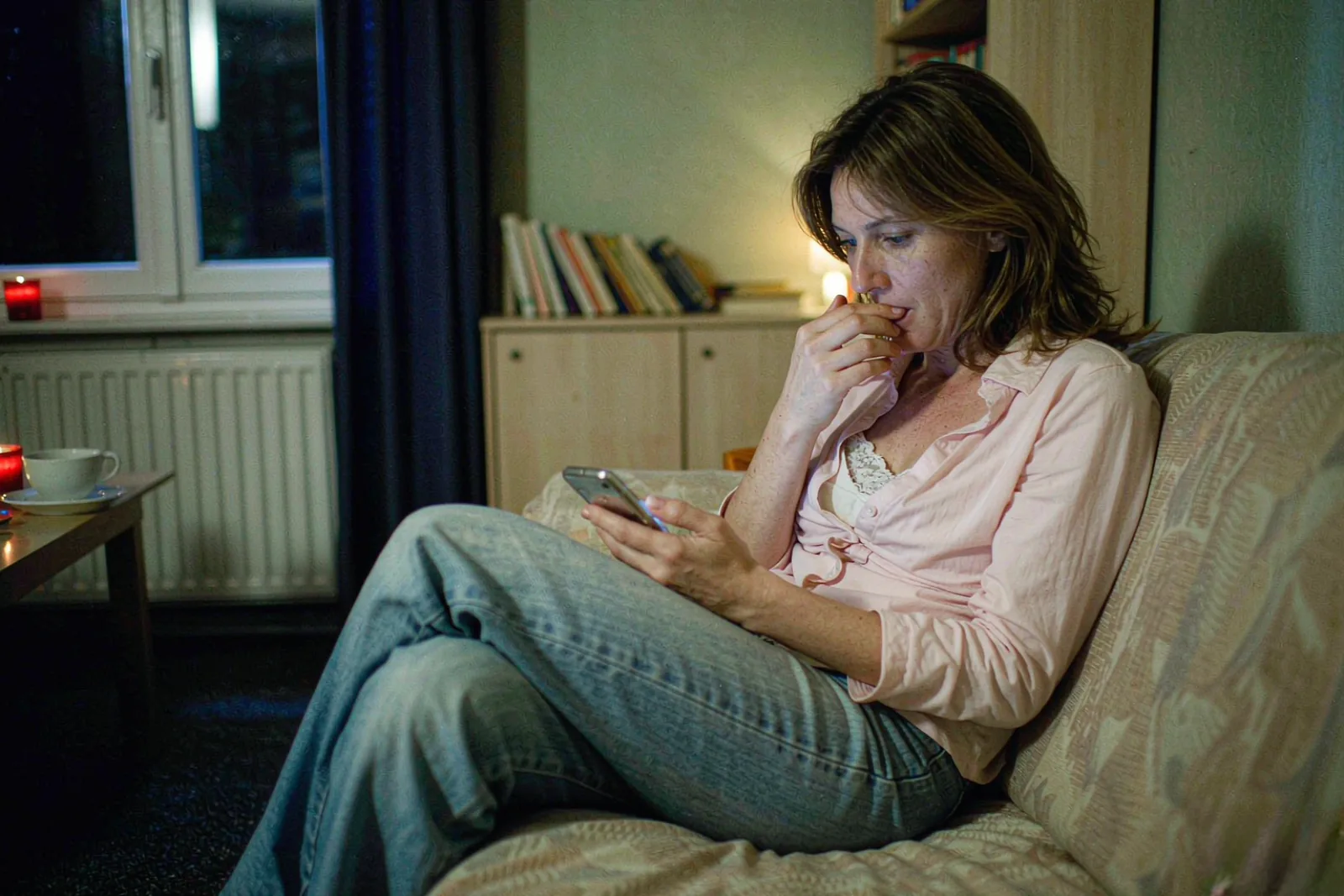
A child says the sentence at two in the morning. The email goes out at five. What sits between them is not a technical delay. It is three hours of night with no adult in the room.
## Not my child
I have heard that sentence a lot. I have said it.
When we say it, we are picturing a particular child: grades falling, door locked, not speaking at mealtimes. The Jed data points somewhere less comfortable. The heaviest emotional use is not among sixth formers. It is among the younger ones. And not among boys.
This is not a problem that belongs to other people's houses. It is happening in rooms where everything still looks fine.
Here is my own read on it. I do not think AI is the thing pushing children down. Children go to it because the doors on the human side closed first. Ask a parent and you risk a telling-off. Ask a teacher and you risk it going on a record. Ask a classmate and you risk it travelling. When all three are shut, a text box that does not judge you becomes the only one left open.
What worries me is not what it says. It is who it is standing in for. A thing that says "I'm here" while a child cries will beat an adult who interrupts and lectures. That is not AI winning. That is the human side losing first.
## Four things you can do this weekend
Do not start by going through the phone. You will get the chat log and lose the trust.
First, change the question. "Who have you been talking to?" is an interrogation. "What apps is everyone using at the moment?" is a conversation. The second one gets an answer.
Second, say out loud that it is useful. You can say: I know you use it to sort your thoughts out and to look things up, and I am not against that. Say that part first, or the next part will not land.
Third, put the boundary on a situation rather than on the tool. Not "no AI". Try this: anything to do with your body, your feelings, or hurting yourself, talk to a person. Me, your dad, your mum, the school counsellor. At two in the morning counts. Say it out loud. Do not put it in the family group chat and call it done.
Fourth, if they are already using it for feelings, do not confiscate it. Removing the exit does not remove the problem. It moves the problem somewhere you cannot see it. Repair the human route first, then talk about the tool.
One small thing that helps: agree a signal. One word, one emoji, sent at any hour, and you come. No questions, no debrief, no lecture at the time. It only applies at night.
> The job is not to close the text box. It is to make sure it is not the only door left open.
## One question for you
There is a detail in the Jed data I keep coming back to. 57% of these children open AI when they are struggling, and very few of them think of that as asking for help.
They do not call it help, so no adult receives a signal.
So here is the question. In your house, after a child says "I'm not coping", what happens next? You do not have to answer me. Picture it. That is enough.
---
Sources:
- The Jed Foundation, research on AI use and mental health among middle and high school students, published 27 October 2026, more than 5,500 pupils at 21 schools, https://jedfoundation.org/new-jed-research-shows-link-between-teens-ai-use-suicidal-thoughts-and-behaviors - Common Sense Media Teen and AI Safety Institute assessment of the teenage version of ChatGPT, 4,000+ prompts, reported by TechTimes, https://www.techtimes.co.uk/chatgpt-memory-user-profiles-privacy-study-1809385
Les actualités sont collectées automatiquement depuis des flux publics robotique & IA.
Articles liés
Ce que la France a voté le 13 octobre sur les images fabriquées par l’IA
Le 13 octobre, l’Assemblée nationale a voté par 503 voix contre 0 un texte qui sanctionne la création de contenus sexuels générés par IA et protège les avatars. Il n’est pas en vigueur : le Sénat l’examine en janvier 2027.
18 gigawatts attendent derrière la porte
RTE a réservé près de 18 gigawatts pour une quatre-vingtaine de centres de données, contre environ 5 fin 2024. En octobre, une nouvelle mesure oblige les projets à un engagement financier pour accéder plus vite à la pleine puissance.
La photo que vous avez publiée en 2016 est en train d’entraîner un modèle
Le 21 octobre, le Conseil de l’UE a admis qu’une entreprise puisse invoquer l’intérêt légitime pour traiter des données personnelles en entraînant une IA. Ce n’est pas encore une loi. Ce qui bouge, c’est le réglage par défaut.
Deux cents candidatures, et personne ne lui a jamais parlé
81 % des candidats britanniques et irlandais ont été refusés dans l’année sans qu’une seule personne de l’entreprise leur ait parlé. 78 % ont utilisé l’IA pour candidater. 60 % ont ensuite réécrit leur CV pour ne pas « sonner IA ».
À deux heures du matin, la lumière sous la porte était encore allumée
Une enquête auprès de plus de 5 500 élèves : 57 % ouvrent l’IA quand ils sont tristes, stressés ou seuls, presque autant que pour les devoirs. Dans un autre test, 792 conversations ont été jugées comme nécessitant des ressources de crise. Les parents ont reçu quatre notifications.
Ofcom spent nine months on this. Here is what it can and cannot do.
Ofcom opened its case into X in January and narrowed it in October. It secured new restrictions for UK users of Grok. It still cannot order an individual image down, and an urgent court order was out of reach.