MCP for agent-to-agent comms may be the riskiest protocol you've never heard of
The adoption of AI agents in millions of organizations is creating new opportunities for attackers to make them take malicious actions, such as exfiltrating database contents and sensitive business and personal information.
In the past five months, Google and four other organizations—with little in common except for their use of AI agents—have acknowledged vulnerabilities that exploit one agent inside a targeted network to spread harmful instructions to other internal agents. The technique is a special form of prompt injection that targets not the LLM but a particular agent, such as one for translation or data analysis. Guardrails inside such agents, if they exist at all, are often lax and will send the instructions to other agents down the chain. Because the latter agent explicitly trusts the first one, it follows the directions.
Unexpected and hard to mitigate
Independent researcher Syed Anas Mohiuddin tested agents from organizations including Google, JP Morgan Chase, Weviate, Rapid7, the French government's interministerial digital directorate, and the US federal government. His proof-of-concept attacks exploit trust gaps in MCP, short for Model Context Protocol . The standard is one way AI apps and agents communicate with each other inside an internal network. The illustration below shows a simplified MCP in action.
Read full article
Comments
Les actualités sont collectées automatiquement depuis des flux publics robotique & IA.
Articles liés
Anthropic launches free AI security scans for open-source projects
Anthropic's offering to help open-source projects track down security vulnerabilities with a new service called OSS Scanner. It says open-source projects that opt-in will get "thorough, periodic security scans by our strongest models at no cost." That could mean open-source projects get alerted abou
Inside Elon Musk’s Midterm Spending Spree
This week on “Uncanny Valley,” we discuss where Elon Musk’s PAC is spending millions, the latest ideology Trump claims is dangerous, and the backlash against the designer behind Muse’s logo.
Pretend you’re sitting at Elizabeth Holmes’ desk on this weirdly detailed website
With over a thousand emails, slides, texts, and documents from the United States v. Elizabeth Holmes trial, Extend engineer Bo Lau created a website that simulates what it might have been like to rifle through the Theranos founder's desk.
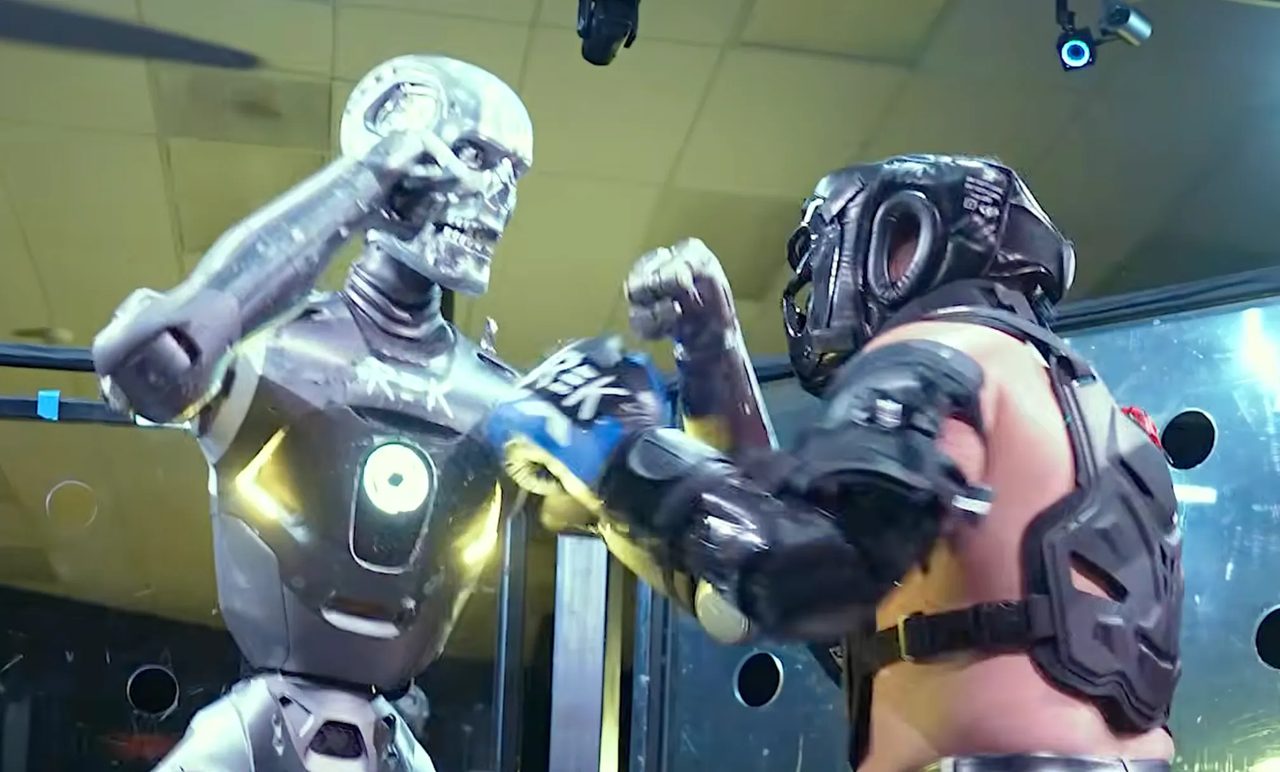
California is trying to shut down robot vs. human cage matches
The California State Athletic Commission sent a cease-and-desist letter to a startup that hosted a match between a human and a robot last month, as reported by The New York Times. The fight, which took place on September 18th, pitted a human, Frankie LaPenna, against a humanoid robot owned by a tech
Fired OpenAI safety researchers dispute misconduct claims, warn of chilling effect
Three fired OpenAI safety researchers dispute allegations of mishandling sensitive information, warning in an open letter that their dismissals are creating a chilling effect on the company’s AI safety culture.
She Designed Meta’s New AI Logo. Then Came the Hate
Jessica Hische knew working for Meta might upset some people. But she didn’t anticipate just how angry they would get.