Nvidia's big bet on physical AI aims for safer robotaxis, humanoid robots
Investors bullish on AI data centers may be fueling Nvidia’s multitrillion-dollar market capitalization, but the AI chipmaker has also bet billions of dollars on physical AI technologies such as robotics and self-driving cars. Part of that gambit has involved developing a full-stack safety system that companies can build upon to reduce the risk of their machines harming nearby people.
Nvidia's Halos system launched in 2025 with hardware and software tools to help developers implement guardrails in self-driving cars and other autonomous vehicles. Then the company expanded its safety architecture to more physical AI technologies by announcing Nvidia Halos for Robotics in June 2026—with the goal of enabling safe deployments of autonomous mobile robots in warehouses, humanoid robots walking around inside a factory, or even surgical robots.
“Now the AI models are getting capable, the robot hardware is getting capable, and a thing we thought is going to be the next bottleneck is safety,” Amit Goel , head of robotics ecosystem and edge computing at Nvidia, told Ars. “So that's why we launched our Halos for Robotics to unlock the capability of these systems.”
Read full article
Comments
Les actualités sont collectées automatiquement depuis des flux publics robotique & IA.
Articles liés
Anthropic launches free AI security scans for open-source projects
Anthropic's offering to help open-source projects track down security vulnerabilities with a new service called OSS Scanner. It says open-source projects that opt-in will get "thorough, periodic security scans by our strongest models at no cost." That could mean open-source projects get alerted abou
Inside Elon Musk’s Midterm Spending Spree
This week on “Uncanny Valley,” we discuss where Elon Musk’s PAC is spending millions, the latest ideology Trump claims is dangerous, and the backlash against the designer behind Muse’s logo.
Pretend you’re sitting at Elizabeth Holmes’ desk on this weirdly detailed website
With over a thousand emails, slides, texts, and documents from the United States v. Elizabeth Holmes trial, Extend engineer Bo Lau created a website that simulates what it might have been like to rifle through the Theranos founder's desk.
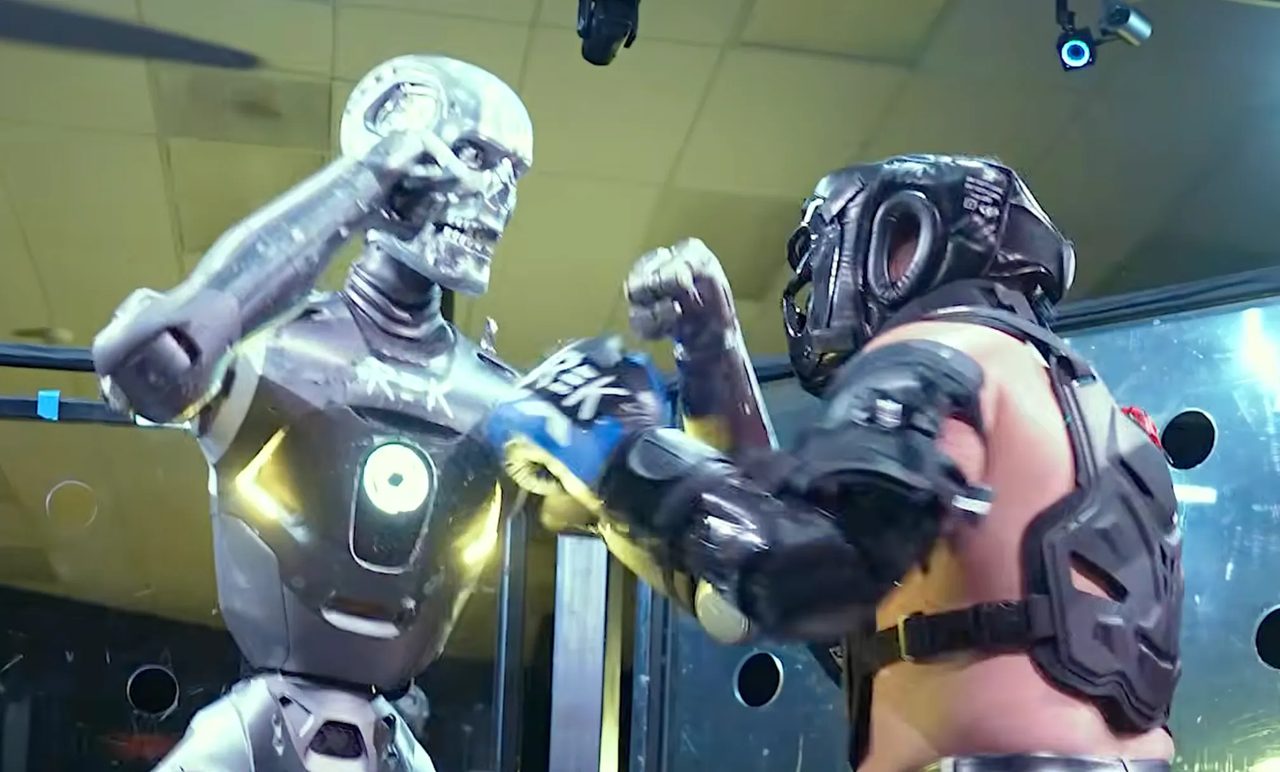
California is trying to shut down robot vs. human cage matches
The California State Athletic Commission sent a cease-and-desist letter to a startup that hosted a match between a human and a robot last month, as reported by The New York Times. The fight, which took place on September 18th, pitted a human, Frankie LaPenna, against a humanoid robot owned by a tech
Fired OpenAI safety researchers dispute misconduct claims, warn of chilling effect
Three fired OpenAI safety researchers dispute allegations of mishandling sensitive information, warning in an open letter that their dismissals are creating a chilling effect on the company’s AI safety culture.
She Designed Meta’s New AI Logo. Then Came the Hate
Jessica Hische knew working for Meta might upset some people. But she didn’t anticipate just how angry they would get.