Systems Thinking Is Vital in the Age of AI

Modern engineering projects increasingly combine human judgment with machine capability. An engineer can define a problem, then ask an artificial intelligence tool to search relevant research and technical standards, generate design options, test them in simulation, and compare the results. The engineer can then bring the results to specialists who understand the parts AI cannot judge on its own, such as whether a design can be built safely, whether it makes sense in a particular setting, or how it might affect its users. The final decision about whether and how to move forward remains a human responsibility.
AI can help engineers do early project steps that once required several people with different technical skills. The engineer’s role is therefore expanding from performing each technical step to deciding how people, machines, and specialists’ knowledge should work together on the project.
The problem, not the title
Engineering has always been divided into disciplines, and for good reasons. Electrical, mechanical, civil, software, and other engineering fields require deep knowledge that takes years to develop. AI does not replace that need. It simply changes how easily engineers can explore the parts of a problem that sit outside their own specialty.
Consider a software engineer working on a medical device . AI can help the engineer review relevant biomedical research, understand unfamiliar terms, analyze data, and build an early model.
That does not make the engineer a physician or biomedical expert. It allows the engineer to ask better questions before working with the experts.
The same is true in energy , transportation, manufacturing, and many other fields. A problem might begin as a software issue and then quickly involve hardware, safety measures, economics, human behavior, and regulations.
Engineers do not need to master every field; they need to recognize which expertise the problem requires and bring the right people and tools together.
The importance of systems thinking
Systems thinking thus becomes especially important. It requires looking at the whole problem: understanding how its parts affect one another, identifying constraints and failure points, and making trade-offs.
AI adds a new element to the process. Engineers must decide not only how the technical parts fit together but also what work to give to AI, what a person must check, when a specialist should make a decision, and when the problem needs to be redefined.
An engineer’s value is not in knowing everything. It is in knowing how to frame the problem, how to ask the right questions, how to test the answers, and when another expert must lead the project.
This aspect is crucial because technical challenges in engineering are seldom static. As new insights emerge, objectives might shift, unseen limitations can surface, and the initial premise might prove flawed. Rather than rigidly following the starting specifications, an effective engineer adapts and refines the scope as a deeper understanding of the system develops.
Thus, engineering extends beyond mastering technical concepts; it is an adaptable, structured approach to navigating evolving challenges.
New evidence can change the goal, reveal a hidden constraint, or show that the original hypothesis was wrong. Effective engineers go beyond merely acting on the initial problem statement. They update it as the system becomes better understood.
In that sense, engineering is not only a body of technical knowledge, it is also a disciplined way of thinking about a project.
Human judgment is important
AI can produce convincing answers even when its assumptions are weak. It can generate code that works in one test but fails in another. It can summarize research without understanding which evidence is strongest, or optimize a design for the wrong goal. Such limits make human expertise more important, not less.
Machines are useful where speed, scale, search, pattern recognition, and data generation matter. People are essential where context, values, responsibility, and judgment matter. The challenge is to decide where each belongs.
An AI system might generate several designs for a medical sensor, for example, and predict how each will perform. An engineer can test the predictions and reject designs that violate technical requirements. A clinician can determine whether the sensor can be realistically used. Patients and practitioners might reveal problems that neither the engineer nor the developer considered. The final solution emerges from combining the perspectives.
The engineer is still a builder and specialist but increasingly also a coordinator of knowledge.
An engineer’s value is not in knowing everything. It is in knowing how to frame the problem, how to ask the right questions, how to test the answers, and when another expert must lead the project.
IEEE’s vital role
The broader form of engineering creates an important role for IEEE. Its societies already bring together expertise in various technologies, engineering education , technical standards , and other fields. That makes IEEE well placed to help engineers work across specialties without weakening the value of specialization.
IEEE could create more communities organized around problems that require expertise from several fields. Examples include trustworthy clinical AI , resilient infrastructure, energy reliability, scientific discovery, and safe autonomous systems. An engineer could begin in a home discipline and then work with specialists from other IEEE communities as a project requires.
IEEE also can help set practical standards for human-machine collaboration. Engineers will need clear guidance on when AI-generated work must be checked, how uncertainty should be documented, when a specialist must make a decision, and who is responsible when a system uses both human judgment and machine output.
Those questions are becoming part of everyday engineering. They should not be left to…
Les actualités sont collectées automatiquement depuis des flux publics robotique & IA.
Articles liés
Microsoft just shared Azure’s actual revenue in dollars: $33.2 billion
Microsoft has never disclosed Azure's quarterly revenue in dollars. But for the first time, we can see just how close it is getting to besting the biggest competitor in the market, AWS.
Google expands AI Search ads globally as core ad growth slows
The announcement came alongside parent company Alphabet's third-quarter earnings report, which saw revenue grow 25% year over year to $127.6 billion.
Microsoft recorded $10 billion in revenue from OpenAI
Microsoft said it made $10 billion in revenue from commercial arrangements with OpenAI, including revenue-sharing payments, in the quarter ending September 30. It underscores the still-enormous financial dependency of the partnership.
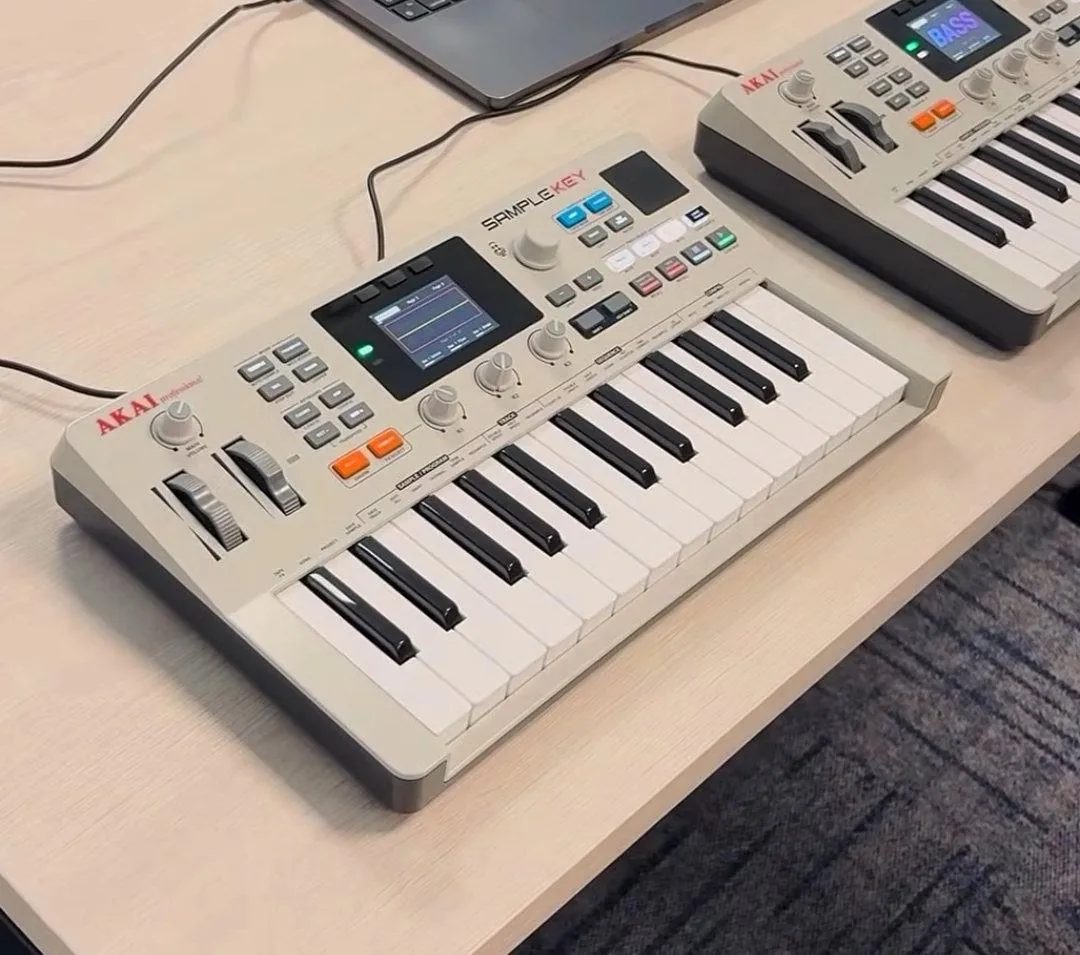
Akai is embracing vibe-coded mods with an open-source MPC
The MPC Sample Key isn't even formally announced yet, but Akai is already showing off what the modding community is cooking up through vibe coding. Akai has decided to embrace the explosion of hackers and custom firmware developers by giving them early access to the device, which will have open-sour
Microsoft hits 10 quarters of record- breaking revenue in a row
Whatever the future of AI might be, the current situation is still very good for Microsoft. The tech giant reported yet another record for quarterly revenue on Wednesday: $92.3 billion, a 19% increase over the year-ago quarter.

Creating AI value with enterprise context
Across a business, any number of AI platforms, systems, and tools may be at work simultaneously—for example, AI-powered customer platforms, conversational assistants, and workflow and process automation tools. Each one is sophisticated, advanced, and quick to respond. But, when set to work, the outc