The manufacturing data gap holding back physical AI
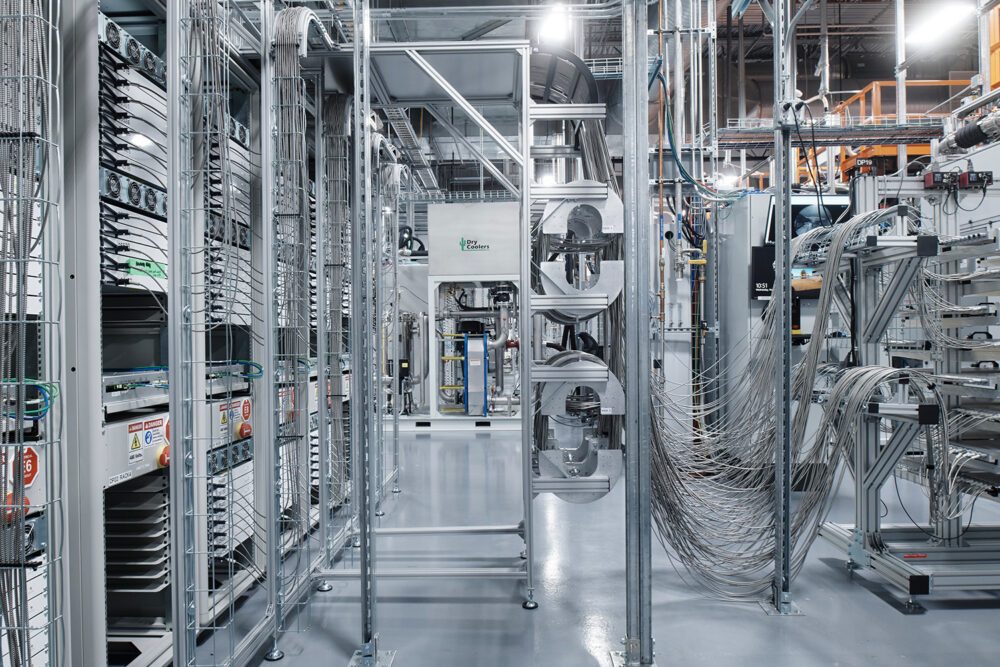
Robotics and physical AI companies have raised nearly $48 billion so far in 2026 , but the rollout of fully autonomous machines in industrial settings isn’t a given. For robots to step beyond controlled environments onto the manufacturing floor, they need real-world data to learn from.
Most production facilities aren’t set up to provide it.
Consider the welding process. For a robot to improve its technique autonomously, it needs to understand how changes in welding angle, travel speed, workpiece position, and other key parameters affect the finished result. Experienced technicians develop this understanding through years of hands-on experience, but much of that knowledge isn’t captured in a form robotics partners can use to train autonomous systems.
Similar gaps exist in other manufacturing processes where technicians rely on experience to make adjustments that aren’t consistently documented.
Manufacturers looking to deploy physical AI need to close this data gap. Without information connecting process decisions to production outcomes, even sophisticated robotic systems may struggle to adapt to changing conditions.
These limitations could prevent manufacturers from achieving the efficiency and quality improvements they expect from physical AI.
Why industrial data remains a barrier to physical AI
Manufacturers already collect extensive operational data, but much of it was never structured for autonomous learning. Sometimes it is collected and never even reviewed at all!
Relevant contextual information often sits in separate systems. A machine may record operating parameters while a quality management system captures inspection results, making it difficult to connect process decisions with finished-part quality.
Manufacturing leaders are increasingly aware that these silos are an obstacle. According to the Manufacturing Leadership Council’s 2026 Smart Factories and Digital Production Survey , 37% of surveyed manufacturers cited a lack of data interoperability as a major roadblock to implementing their smart factory strategies, up from 22% in 2025.
However, improving interoperability alone won’t get robots the data they need to learn. Manufacturers also need to ensure that production records can be tied to measurable quality outcomes.
Submit your innovation now!
3 ways manufacturers can prepare for physical AI
Preparing a factory for physical AI requires more than collecting additional data or connecting disparate systems. Manufacturers need to understand what information their robotic systems will rely on, how that data reflects real production conditions and whether it can help systems make reliable adjustments over time.
Addressing these questions early, in collaboration with robotics partners, can help manufacturers identify gaps in their existing infrastructure and focus investments where they’ll have the greatest impact.
Here are three areas to prioritize before deployment.
1. Capture data that reflects real production conditions
Begin by identifying the production conditions your robotic systems need to recognize and respond to. Focus on capturing the complex interactions between the process parameters and quality outcomes to show how planned and unplanned changes in materials or equipment performance affect the finished product.
Consider metal additive manufacturing , where factors like powder (or wire) characteristics, processing temperatures, and environmental conditions can influence a component’s final properties and characteristic defect structure. Connecting these variables with inspection results gives your robotics partners a clearer picture of which conditions contribute to defects or variations in quality.
You can then use that information to train systems to recognize changing production conditions and develop more realistic simulations for testing their responses.
2. Connect data across the entire production process
The data you capture won’t have much value if it remains isolated within individual machines or production stages. The next step is to create a digital thread that connects production conditions with inspection results and finished-part quality.
I’ve seen this challenge firsthand in advanced manufacturing. AI-based image recognition is becoming table stakes for assessing quality within metal additive manufacturing printers, while downstream equipment such as heat-treatment furnaces may be far more difficult to integrate into the same system. Lior Susan of Eclipse rightly says: “If your physical asset isn’t generating real-time operational data, it’s a dead asset.”
The disconnect creates gaps in the production history of a component, making it harder to understand how subsequent processing affects its final properties.
To close those gaps, you need to connect equipment and quality management systems that weren’t designed to communicate. Start by identifying the data needed for a specific robotic application, then work with technology partners to establish consistent part identifiers and link process records to inspection results in a true digital thread.
By starting with a targeted application, you can build the data connections to support physical AI without having to overhaul your entire production infrastructure at once.
Submit your innovation now!
3. Build feedback loops around quality and repeatability
Finally, establish how autonomous systems will be evaluated and when human oversight is required. Work with your robotics partners to identify which process adjustments can be made automatically and how the system will determine whether those changes improved production outcomes.
In medical device manufacturing, for example, regulatory requirements often mandate validation of production processes to ensure consistent product quality. Changes to those processes may require additional testing and revalidation, limiting how freely AI systems can modify production parameters.
Before authorizing autonomous adjustments, work with…
Les actualités sont collectées automatiquement depuis des flux publics robotique & IA.
Articles liés
Robotics Summit 2027 opens call for speakers
The Robotics Summit & Expo returns to Boston June 2-3, 2027 with deepened coverage, an expanded expo floor, and more. The post Robotics Summit 2027 opens call for speakers appeared first on The Robot Report .

商汤开源生图新模型!8B参数拍大片、做设计,还会自我纠错
智东西 作者 | 江宇 编辑 | 漠影 现在,想让AI生成一张漂亮的照片,已经不是什么难事。但要让它拍出电影里的氛围感,光靠高清画质和滤镜恐怕还不够。 就拿《爱乐之城》来说,这部斩获奥斯卡最佳摄影奖、英国电影学院奖最佳摄影奖的电影,堪称电影色彩与摄影构图的“教科书”。为了拍出男女主角在洛杉矶山坡上共舞的场景,剧组专门选在日落前后的短暂时段开机,连续两个晚上拍摄,最终留下了电影中那段近六分钟的长镜头。 摄影指导莱纳斯·桑德格伦(Linus Sandgren)还通过偏绿色的顶部补光与后期调色,让黄昏呈现出更浓郁的紫红色。女主角的一袭黄色长裙、远处的洛杉矶城市景观,也在精心设计的构图中融为一体。 ▲
SoftBank acquires Marc Raibert’s Robotics and AI Institute
SoftBank has completed its acquisition of the Robotics and AI Institute from Hyundai Motor Group, expanding its robotics portfolio as the research organization looks to fill 24 open positions in Massachusetts and Switzerland. The post SoftBank acquires Marc Raibert’s Robotics and AI Institute appear

小米Q3财报出炉:AI研发占比超30%,卢伟冰吐槽内存涨价压力大
智东西 作者 | 杨京丽 编辑 | 云鹏 智东西11月24日报道,今天,小米集团发布2026年第三季度财报。 第三季度,小米营收为 1072.40亿元 ,同比 下降5.2% ;净利润 38.76亿 ,同比 下降68.42% ;经调整净利润为 48.84亿元 ,同比下降56.8%;毛利为 216.15亿元 ,同比下降 16.7% ,毛利率为 20.2% 。小米单季度研发开支为 92亿元 ,同比增长2%;前三季度研发开支达到 274亿元 ,同比增长 16.5% 。 ▲小米营收、净利润、研发开支情况(智东西制图) 截至9月30日,小米拥有 52509名全职员工 ,较去年同期 减少3722人 ,其中研
刚刚,华为云开放AgentArts智能体平台,康晓宇:我们不抢流量入口
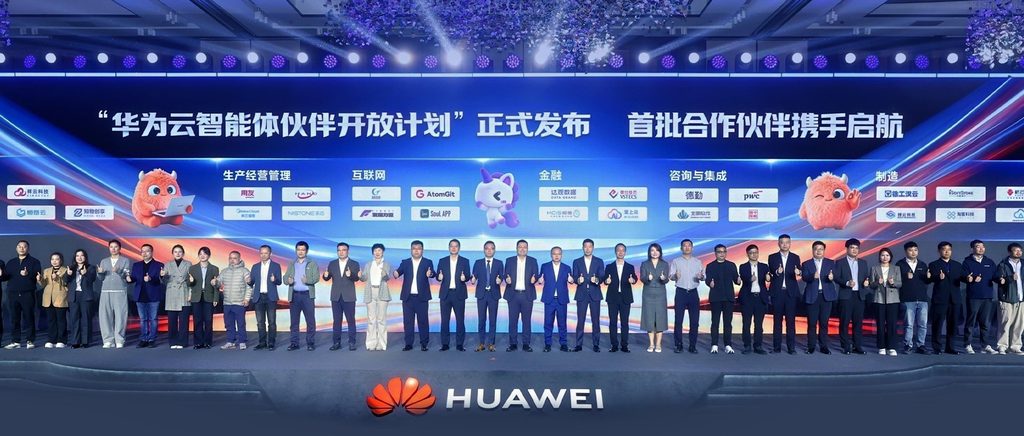
智东西 作者 | 李水青 编辑 | 云鹏 智东西11月24日报道,今日,在华为云智能体伙伴开放计划发布会暨智果生态大会上, 华为云 联合中软国际、软通动力、德勤、乐石科技、AtomGit、北明软件、致远互联等 首批30多家 伙伴发布 智能体伙伴开放计划 。该计划开放 智果AgentArts智能体平台 ,以及 果办OfficeAce、码道CodeArts 等智能体平台化产品及开发工具。 当前,智能体在企业规模化落地仍面临 业务融合难落地、生产运行难评估、执行风险难掌控 等挑战,伙伴基于开源工具构建存在 失控风险、高维护成本以及自研智能体难以竞争用户流量 等难题。智能体要走向规模化落地,需依靠企业

余承东宣布不涨价!端出华为史上最强大折叠,把一切都折叠了
智东西 作者 | 云鹏 编辑 | 心缘 智东西11月24日上海现场报道,刚刚,华为正式发布了 自家史上最薄大折叠Mate X8系列手机、最轻薄旗舰手机Mate90 Air、首款鸿蒙小折叠电脑MateBook Fold S 和 华为史上最薄智能手表WATCH Air。 Mate X8 展开后4.2毫米,比iPhone Duo的5.2毫米更薄, 麒麟9050 Pro“韬定律” 芯片加持下 整机性能提升31%, 可以搭配华为“大炮”Z10模块相机强化长焦拍照,在屏幕方面用上了 “磁控”黑科技,折痕深度明显降低。 MateBook Fold S的重量仅有 639克,与一瓶矿泉水相当, 载了华为 旗舰“