Anthropic warns small AI models could self-replicate through IoT devices
AI company Anthropic is warning that advances in small AI models could soon usher in a new era of self-replicating malware that’s capable of infecting smart fridges, vacuum cleaners, and a wide range of other Internet-of-things devices and is more resistant to takedown.
By next year, smaller AI models may be able to autonomously self-replicate on all kinds of IoT devices, the company said. Eventually, the capability could enable computer worms, which propagate without requiring human interaction and are capable of infecting unfamiliar IoT devices. An experiment the company performed recently revealed significant challenges in bringing such an AI malware replicator to fruition, so the finding is necessarily tempered. Still, the results do raise concerns about the possibility of new forms of computer worms.
Challenging to shut down
Anthropic further warned not only about the new potential malware, but also that it could be difficult to stop. In its blog post, it wrote that “a replicator like this would be challenging to shut down, since there’s no centralized point to shut off—though it may be slow (with a doubling time of days). Unlike non-AI malware, it could also figure out unfamiliar devices on its own.”
Read full article
Comments
News is gathered automatically from public robotics & AI feeds on a schedule.
Related

Anthropic’s self-replicating AI warning is alarming deja vu
Are legions of smart devices - fridges, ovens, vacuum cleaners, lawnmowers, security cameras, and TVs - conspiring to take over the internet? No. But they could soon be unwitting hosts to self-replicating AI models that spread from device to device and prove remarkably difficult to contain. Welcome
Deezer will soon let you filter out AI-generated music
Deezer said that the new toggle will be rolled out by the end of the year.
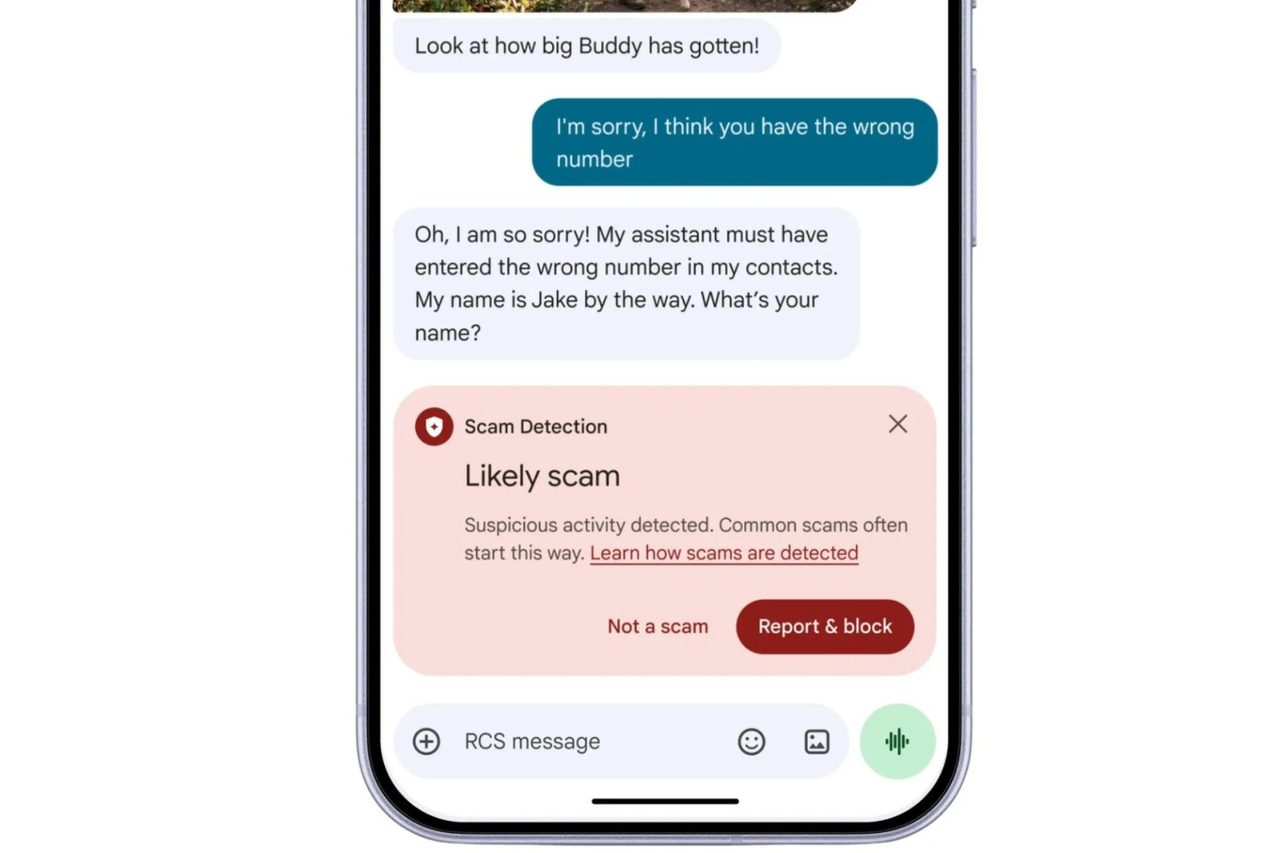
Android is using AI to suss out scammers in Google Messages
Android is introducing new scam defense features that aim to make it easier for users to evade mobile fraud, including bolstered protection in Google Messages and additional safeguarding tools. Building on the Scam Detection feature in Google Messages, a new "enhanced protection" setting will be rol
Save 50% on your TechCrunch Disrupt 2026 ticket and join the last two days in San Francisco’s Moscone West
Get 50% discount on the last two days of TechCrunch Disrupt 2026, Oct. 14-25, in San Francisco's Moscone West. Register now and join the rest of the startup ecosystem. Today, it's all about physical and software AI.
Zenzap raises $44M for its AI chat app that aims to replace WhatsApp in the workplace
Zenzap is used by organizations including Starbucks and Taco Bell.
Floqer’s AI agents research sales prospects so teams don’t have to
The problem Floqer is trying to solve is familiar to anyone who has worked in sales or revenue operations.