AI for everyone
爱看AI — understand AI, use AI
AI observations for ordinary people: making complex tech plain, and helping you actually use AI.

Ofcom spent nine months on this. Here is what it can and cannot do.
Ofcom opened its case into X in January and narrowed it in October. It secured new restrictions for UK users of Grok. It still cannot order an individual image down, and an urgent court order was out of reach.
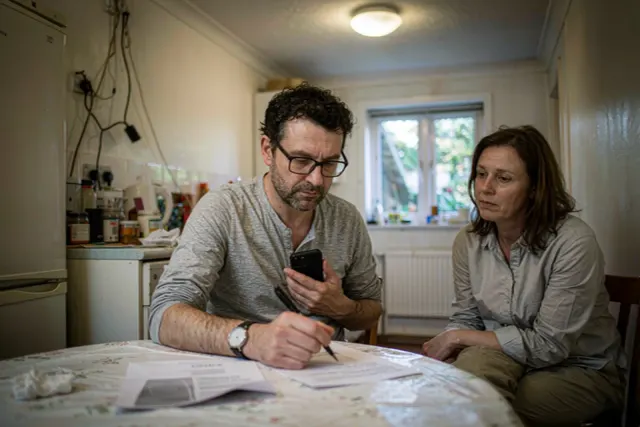
The Budget put a price on AI's electricity. Nobody put it on your bill.
The Budget launched a British Data Centre Covenant: five tests a data centre must meet to get priority grid connections. The first is that households should not pay for the energy costs it creates. The second is a Local Benefit Plan.
The photo you posted in 2016 is now in somebody else's training set
On 21 October the Council of the EU agreed that companies may rely on legitimate interest to process personal data when building AI. It is not law yet. What it moves is the default: from opt-in to opt-out.
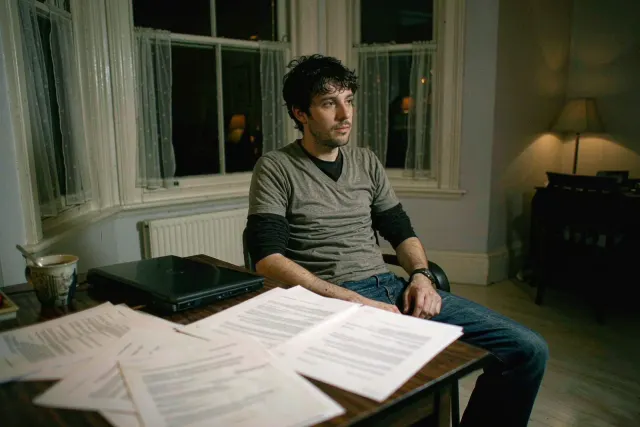
Two hundred applications, and nobody said a word
81% of job seekers in the UK and Ireland were rejected last year by a company where nobody ever spoke to them. 78% used AI to apply. 60% then rewrote their CV so it would not sound like AI.
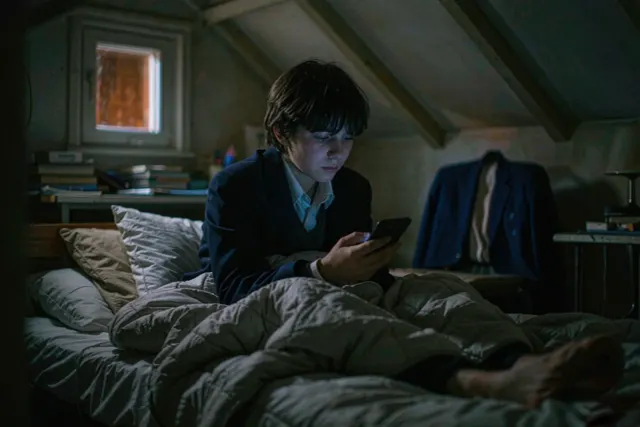
At two in the morning, the light under the door was still on
A survey of more than 5,500 pupils found 57% turn to AI when they are sad, stressed or lonely, almost as many as use it for homework. In a separate test, 792 conversations were judged to need crisis resources. The parents received four notifications.
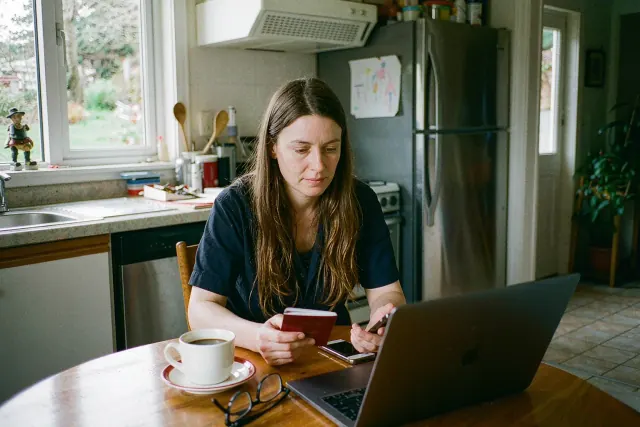
Prove you are forty, or you cannot read this
Prove you are forty, or you cannot read this. The checks are real, the children who want past them are past them, and the people handing over passports are adults.

Nobody rejected you. A list did.
Nobody rejected you. A list did. Since February you can ask for a person to review an automated rejection, and almost nobody does.
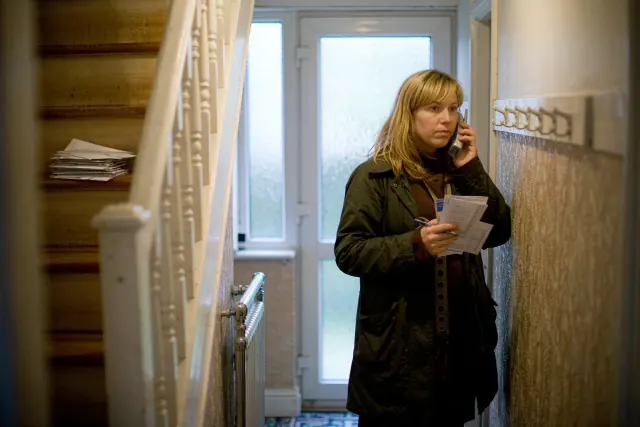
The robot answered. Again.
Seven out of a hundred problems get solved by the automated system. 7.4 million adults could not get through to their provider at all. Here is what still works.
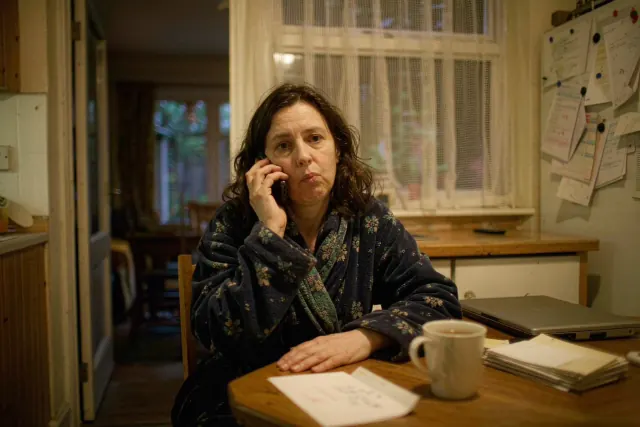
Your son is crying on the phone. It isn't your son.
Three seconds of your voice is enough to copy it. A quarter of British adults think someone has already tried it on them, and the annual fraud report has no line for it.

You can't get a GP appointment. So you tell the chatbot instead.
One in five adults in Britain now turns to an AI for personal advice. This isn't a story about loneliness — it's a story about the waiting list, and about what the thing on the other end can and cannot do for you.