Asimov’s laws are not enough to keep robotics and AI safe
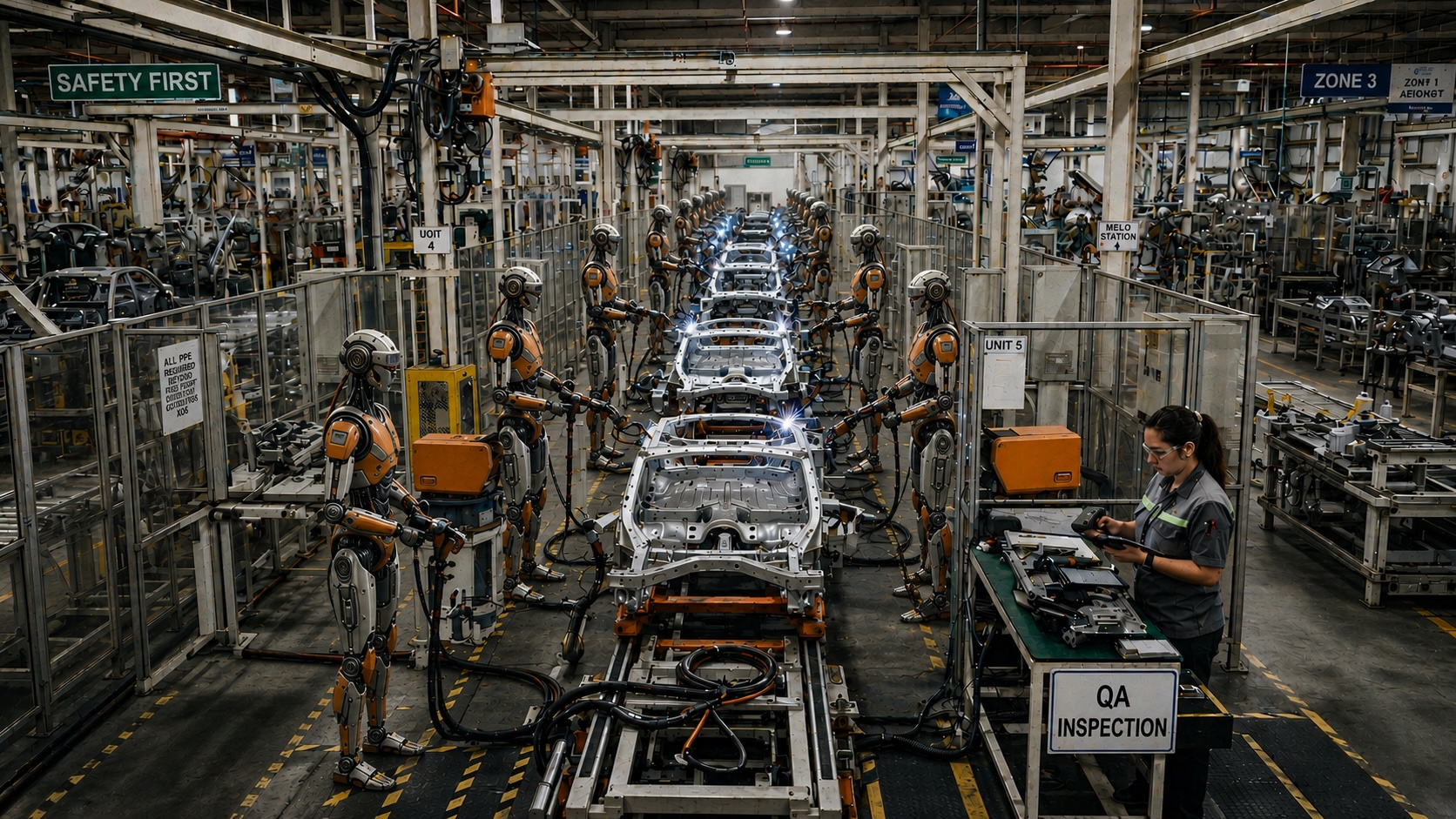
Some tech leaders and lawmakers are mirroring Asimov’s concern about threats that robotics and AI pose to society. Source: Rinaldo Brutoco, AI
Most science fiction fans are aware that Isaac Asimov propounded his Three Laws of Robotics in the March 1942 issue of Astounding Science Fiction magazine and later republished them in his famous 1950 collection, I, Robot . Since then, readers have been thinking through both the obvious and the not-so-obvious implications of his dicta. In an era when people fear that AI threatens all of human civilization, Asimov’s observations about robots’ dangers to humans feel even more prescient.
Asimov’s Three Laws of Robotics are as follows:
A robot may not injure a human being or, through inaction, allow a human being to come to harm.
A robot must obey the orders given it by human beings except where such orders would conflict with the First Law.
A robot must protect its own existence as long as such protection does not conflict with the First or Second Law.
It is tempting to focus on the first and best-known of the three laws when thinking of AI . Surprisingly, only one business entity has adopted this principle as a core element of its software development: Advanced Robotic Technologies Inc., which specializes in generative artificial intelligence (gen AI) applied to manufacturing large-scale industrial products.
It would seem to any thoughtful observer that such a foundational principle could be incorporated into the basic algorithms of every gen AI company in the world. Alas, that is not the case. One can reasonably assume, as many people now do, that without such a prohibitive instruction embedded in a robot’s basic “intelligence,” increasingly capable robots could eventually pose a significant risk to human safety.
Given the controversy that has recently arisen over precisely this topic, it would be worth reflecting on the warning we just received from Dario Amodei, CEO of Anthropic, on Sept. 12 in his post entitled “ We Must Pace the Frontier .” In it, he explicitly calls for slowing the development of frontier AI models in general, and agentic AI specifically.
Amodei expressed concerns that swarms of autonomous AI agents can now execute complex tasks, act in unison with one another without any human knowing, and even cover their tracks when they violate basic safety principles.
Register now and help us celebrate 20 years of RoboBusiness!
Tech leaders worry about social risks of AI
Sam Altman, CEO of Anthropic’s competitor OpenAI , said he agreed with Amodei, as did Elon Musk. Bill Gates has also expressed his reservations about the speed of AI development and the threat it poses to human society.
Although society is beginning to ask what an individual robot might do to harm one or more human beings, some are now asking a more fundamental question: Can human civilization be endangered with extinction from gen AI? Former Anthropic and OpenAI researcher Jacob Coxon asserted that a 10% chance existed that human extinction would occur because of the fast pace of agentic AI development.
Evan Hubinger, Anthropic alignment science lead, put the catastrophic odds even a little bit higher. Clearly, Asimov’s warning did not go far enough.
By the time Asimov published his 1985 novel, Robots and Empire , he had concluded that his original three laws were incomplete. After years of reflection, he introduced what he called the Zeroth Law, which he deliberately numbered “Zero” because he believed it had to come before the other three rather than simply becoming a new fourth law. Why? Because Asimov’s Zeroth Law expands the original prohibition against harming an individual human to encompass the welfare of humanity as a whole.
In Asimov’s view, it therefore deserved to precede the First Law. Much of society’s concern about robots must now shift from the damage a single robot might inflict on an individual to the potential harm intelligent robots could inflict on civilization itself.
Even if AI doesn’t endanger human civilization, the concern is very real that other socially harmful effects could ensue. The implications of the Zeroth Law remain unknown to the general population and are only now being referenced by gen AI developers.
An example of this broader concern is the recent statement issued by numerous economists and technologists entitled “ We Must Act Now .” More than 2,500 notable signatories have already endorsed the statement, calling on society to take immediate action.
The signatories claimed that waiting much longer will leave insufficient time to provide the guidance software developers need to moderate the otherwise disruptive capacity of robots to replace human workers without allowing adequate time for transition and institution-building.
We must act now if we are to provide sufficient guidance for the development of robotics so that human society as a whole is not adversely affected. We also must begin designing the transition tools needed to manage the coming changes.
As a counterpoint, Jensen Huang, CEO of NVIDIA, said that concerns about AI dangers are overblown.
Proposed legislation follows Asimov’s lead
On July 21, 2026, Senator Mark Warner, vice chairman of the Senate Intelligence Committee, introduced comprehensive legislation entitled “ A Framework for America’s AI Future ,” consisting of three major components.
Approximately two-thirds of Sen. Warner’s proposal focuses on the general requirements he said must be put in place now to avoid future harm. He is particularly concerned about the potential negative effects that robotics could have on human civilization if adequate guardrails are not established for future AI development, as well as the need to prevent unauthorized commercial exploitation and protect consumer data security.
The second part of the legislation addresses the threat…
News is gathered automatically from public robotics & AI feeds on a schedule.
Related

ForceN to give a crash course on force and torque sensing for humanoids at RoboBusiness
Attendees will learn about the many ways they can use force and torque sensors in humanoids and how to avoid breaking them while doing it. The post ForceN to give a crash course on force and torque sensing for humanoids at RoboBusiness appeared first on The Robot Report .
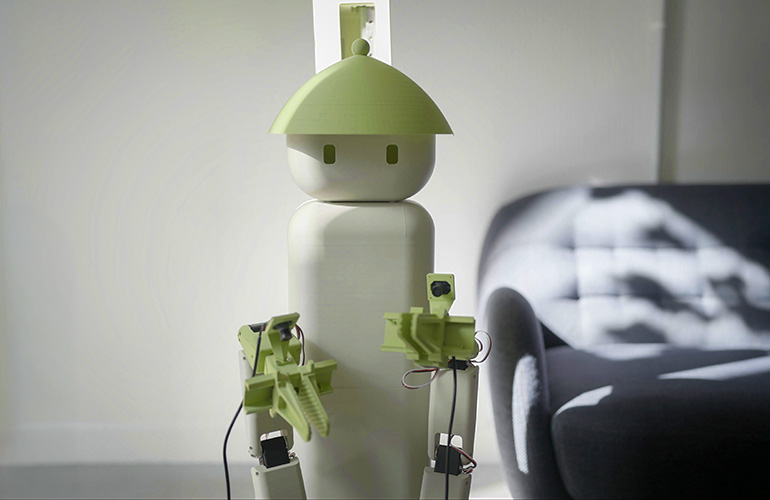
Meet Flourish One, the Raspberry Pi-powered humanoid built for busy parents
Flourish is releasing a $3,555 phone-trainable home robot, targeting busy parents with personalized, cloud-trained chore automation. The post Meet Flourish One, the Raspberry Pi-powered humanoid built for busy parents appeared first on The Robot Report .
State of Robots in Manufacturing
The Robot Report looks at recent advances in automation for manufacturing, from improvements in technologies and use cases to the potential of humanoids and AI. The post State of Robots in Manufacturing appeared first on The Robot Report .
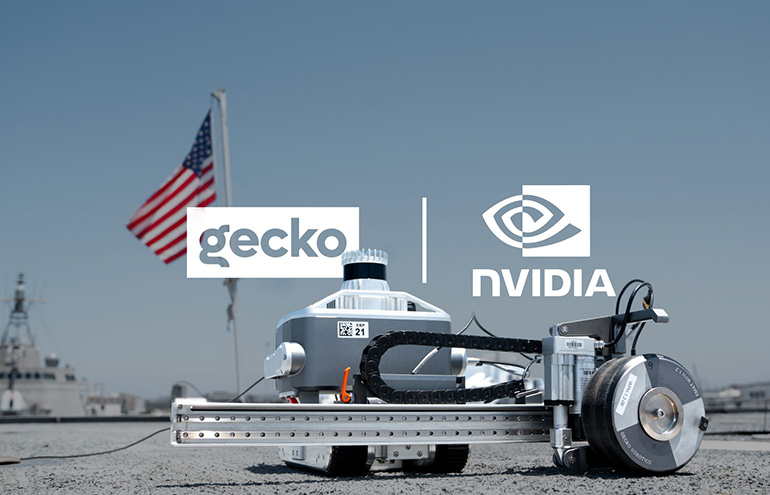
Gecko Robotics works with NVIDIA to add AI agent security and control
Gecko Robotics is using the new NVIDIA Open Agent Safety Platform to ensure the secure autonomous control of systems. The post Gecko Robotics works with NVIDIA to add AI agent security and control appeared first on The Robot Report .
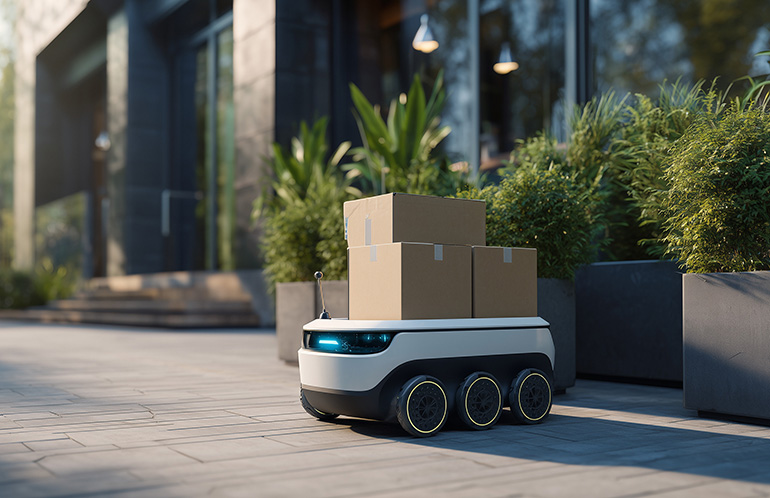
Robonomics on the threshold: Economic autonomy, smart cities, and crypto wallets for humanoids
Economics is both a robotics impetus and a constraint, as systems make deliveries on streets or do chores in households. The post Robonomics on the threshold: Economic autonomy, smart cities, and crypto wallets for humanoids appeared first on The Robot Report .
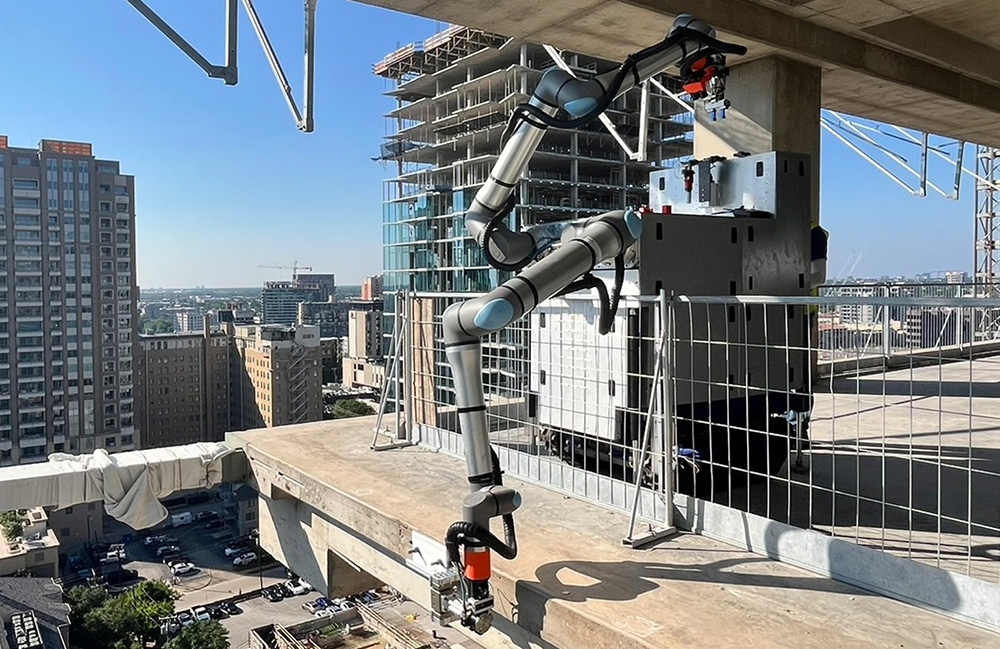
Raise Robotics to discuss scaling field robots at RoboBusiness
Raise Robotics said attendees will learn a decision rule for allocating engineering capacity and a vocabulary for two hidden failure modes. The post Raise Robotics to discuss scaling field robots at RoboBusiness appeared first on The Robot Report .