Dream Labs raises $90M and launches Dream API
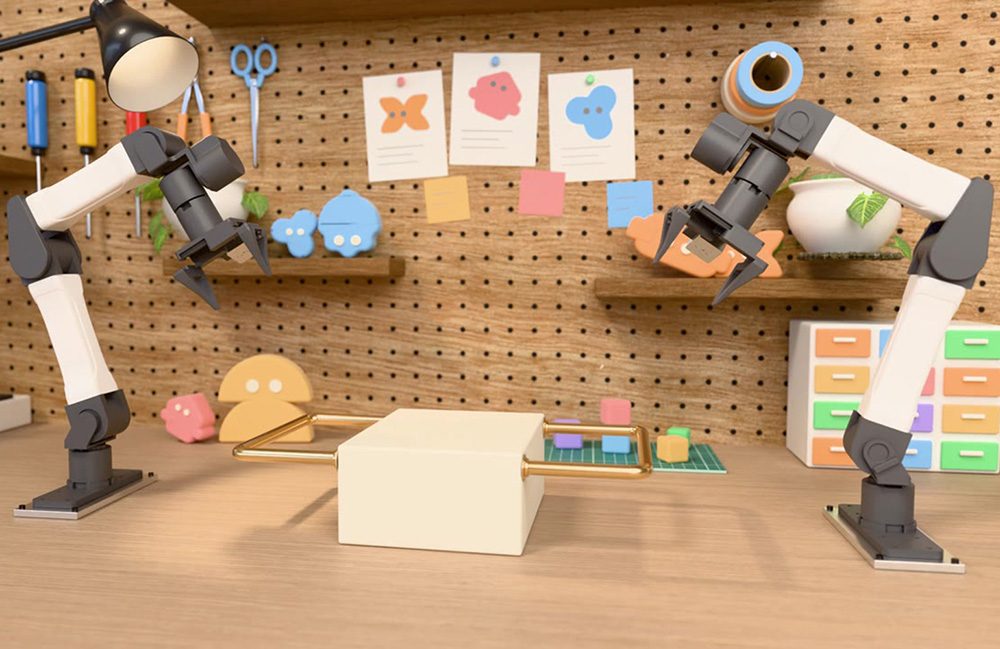
Dream Labs said its models learn how the physical world works from video and can control new robots without any data. | Source: Dream Labs
More brains are coming for robots. Dream Labs this week said it has raised $90 million in seed funding. The company also launched Dream API, a publicly available application programming interface to turn a robot’s camera feed and a plain-English instructions into motor commands, even for robots it has never seen before.
Factories worldwide run a record 5 million industrial robots, yet nearly every one is programmed for a single task, and most cannot transfer what they have learned to other machines, noted Dream Labs. Low-cost robots now sell for a few thousand dollars but ship with no built-in intelligence. Teaching one robot one task can take specialists months, and a new task or new hardware often means starting from zero, according to the San Francisco startup.
Dream Labs said its Dream-1 flagship model works across robots from different manufacturers. Trained on video of people performing everyday tasks, it can predict what will happen next and determine the robot’s resulting action. Because it learns from video rather than from a single machine, its capabilities transfer across hardware, Dream Labs claimed.
The company said Dream-1 can control any robot “out of the box” with grippers and zero-shot learning.
“The hardware is ready. What’s been missing is a brain any robot can use,” stated Joel Jang, co-founder and CEO of Dream Labs. “When you get into a rental car, you don’t relearn how to drive. You find the controls, and your past driving experience does the rest.”
“Dream-1 approaches a new robot the same way, so a new robot can do useful work in minutes, not months,” he added. “And instead of edited demos, we’re giving people a working model they can test themselves, mistakes included.”
B Capital and Kindred Ventures led the round. It also included participation from A.Capital, Unusual Ventures, SV Angel, Wing VC, Scribble VC, and Adrian Aoun, among others.
Inside Dream Labs’ product portfolio
Developers and robot enthusiasts can start using Dream Labs’ AI products today. The company said Dream API translates visual inputs and natural language prompts directly into robot actions.
Developers can sign up, connect any robots with grippers, and the robot will carry out the task. Dream Labs runs its models in data centers around the world, so robots respond quickly wherever they are.
The company also offers fine-tuning as a service. For unsupported hardware or new capabilities, developers and robot makers can submit a small batch of demonstration data to receive a tailored model within hours.
Developers also have access to Dream Labs’ robot playground. Anyone with a browser can type commands to a robot in Dream Labs’ San Francisco office and watch it respond live and unedited, no robot purchase required.
“A capable robot arm has gone from the price of a luxury car to the price of a high-end laptop. What it needs now is intelligence,” said Daisy Cai, general partner at B Capital. “This team did some of the defining work in robot learning at NVIDIA . Now anyone with an API key can build on it.”
https://www.therobotreport.com/wp-content/uploads/2026/10/launch.mp4
Startup works with more than 20 hardware partners
Dream Labs supports robots today that cost between about $2,000 and $10,000. Dream-1 needs no extra data to control a two-armed robot with parallel grippers.
For its over 20 hardware partners, Dream Labs said it goes beyond that baseline, refining the model for each robot so it performs at its best. Dream-1 currently handles tabletop tasks such as picking and placing objects and folding laundry, with support for wheeled mobile robots and dexterous hands to follow.
The company said it plans use the new funding primarily for compute as it expands the tasks and robots Dream-1 can handle, and scales to support more users.
“Our customers buy our robots to build things, and the hardest part has always been getting them to do actual work,” said Ryan Chan, co-founder and CEO of MakerMods, which sells $2,000 bimanual robot arms. “With Dream-1, our robot was up and running in a few minutes and attempting tasks we never programmed. We can focus on building better hardware, and our customers get intelligence that keeps improving.”
Register now and help us celebrate 20 years of RoboBusiness!
The post Dream Labs raises $90M and launches Dream API appeared first on The Robot Report .
News is gathered automatically from public robotics & AI feeds on a schedule.
Related
Token 成本降到每年 1 元,AI 家电这事就能成了 | 对话博联刘宗孺
过去两年多,在智能硬件领域,投资人和创业者都热衷于为 AI 寻找一个个物理世界里的新「容器」,各种新形态的 AI 原生硬件成了投资市场的热门项目。 但其实,很多成熟形态的硬件同样有 AI 化的需求。这也许没有「AI Native」的概念那么性感,但市场一点不小,复杂度丝毫不低。 以家电行业为例:供应链长,改一次硬件就要重走研发、测试、认证;销售链条长,从厂家、经销商到上门安装的电工,每一环都得接得住;成本又极度敏感,多一块钱都要反复掂量。 好在,家电已经为 AI 打好了地基。过去十几年,大量家电已经具备联网能力——这意味着灵活升级的 OTA「管道」已经铺好,行业缺的是让设备真正被用起来的解决方

宇树 10 周年,王兴兴:我劝你相信 AI
10 月 22 日,杭州国际博览中心热闹非常,不仅人多,而且机器人也特别多。 这是 2026 年宇树科技举办的世界物理 AI 大会的现场,从四足机器人到人形机器人,你甚至可以说这里是全球「机器人密度」最高的地方。 2026 年,也是宇树科技创立的第十年。有意思的是,在今天的舞台上,宇树科技创始人王兴兴,在谈机器人之外,聊的最多的就是当下最火热的 AI。 他不仅劝所有人要「相信 AI」,而且还反思,觉得自己「相信 AI 还相信得不够」 。 为什么这家中国、乃至全球机器人行业中最有实力的公司掌舵者,会这么说?物理 AI 的拐点,真的要到来了吗? 必须相信 AI 在王兴兴 36 分钟的演讲中,宇树自

AI 漫剧越做越快,赚钱却没那么容易了
「一个创作者加上 IP 和 AI 工具,就能完成漫剧创作全流程。」 在上周举行的阅文创作大会上,阅文集团 CEO 侯晓楠这样描述正在兴起的「一人公司」。当日,阅文发布首批 AI 精品动画项目,将 DramaBuddy 漫剧助手升级为 OPC 一站式平台,并推出「IP 委员会」模式,试图把故事从文字到影像,再到后续开发的过程连接起来。 看起来,AI 带来的机会似乎还在不断扩大。 但身处一线的漫剧从业者们,正感受着更真实、更锋利的行业变化。 在会后,极客公园参与了对阅文 AI 平台负责人陈炜于、酱油文化创始人黄浩南(业内称「酱油」)、前尾猴文化总经理三行的采访。其中,酱油作为最早一批扎进 AI 漫
大模型内卷之后,AI 竞争进入搜索基础设施时代
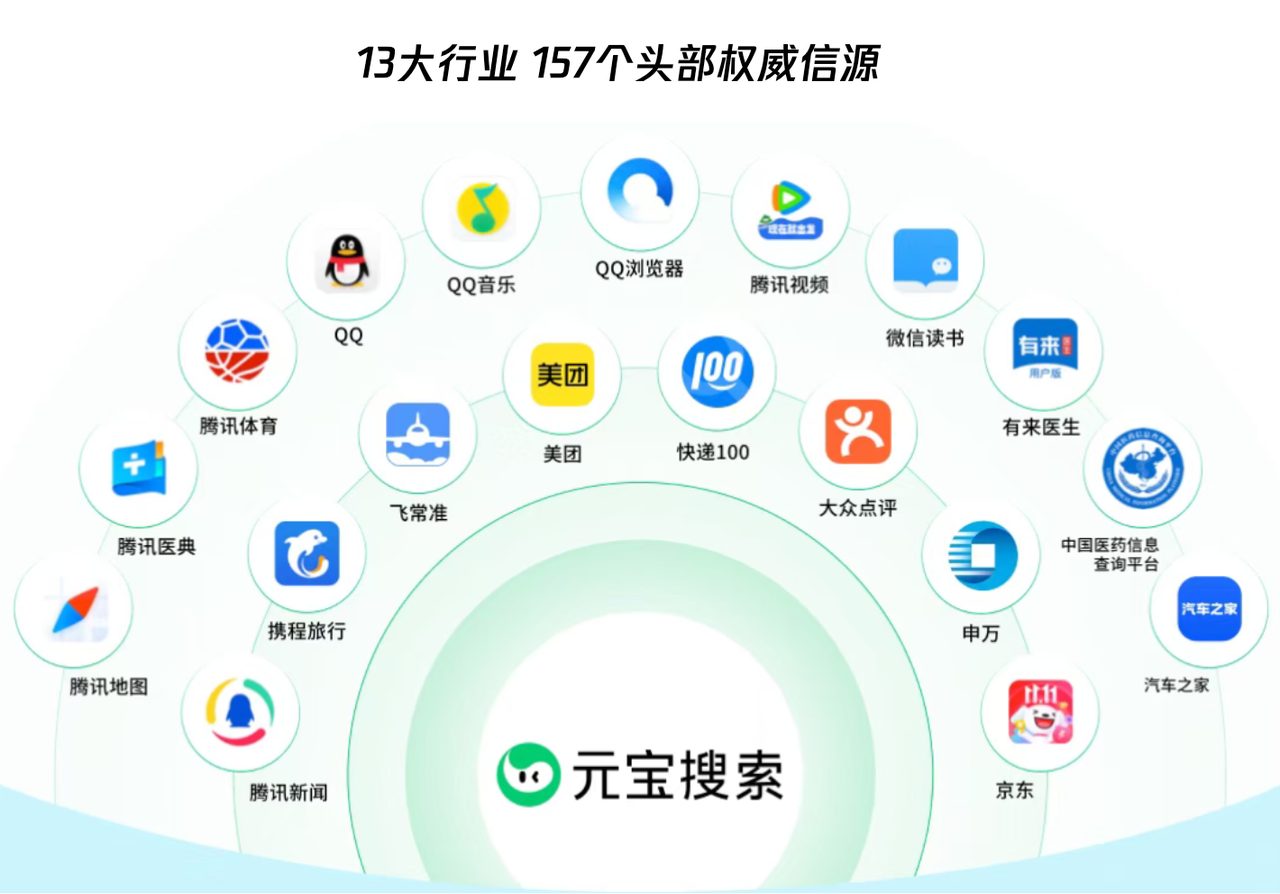
头图来源:元宝搜索 过去一年,AI 行业的战场正在悄悄发生位移。 当 Agent 从概念快速渗透进办公、内容、金融等真实业务场景,行业共识也在悄然改变:决定 AI 体验上限的,是它连接真实世界的能力。 政策迭代、市场波动、行业动态、垂类数据……现实世界的信息每秒都在更新,大模型自带的知识储备永远有边界,想要输出可靠结论、完成复杂任务,就必须接入实时、权威的外部信息。 搜索,是大模型对接真实世界的核心接口。但这也是当下 AI 落地的共性卡点:传统搜索基于关键词匹配,读不懂自然语言的复杂意图,低质内容还容易引发模型幻觉;从头自建一套完整检索体系,又意味着爬虫、解析、索引、运维一整套极高的工程门槛,
被迫下场,Anthropic 推出个人 AI 助理 Claude Duet
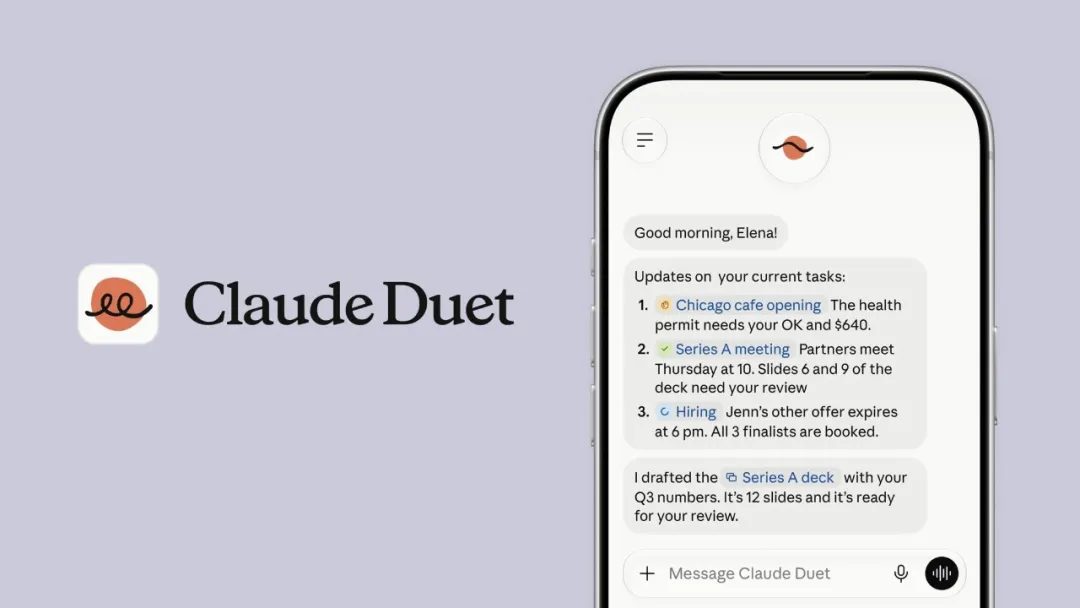
作者|桦林舞王 编辑|靖宇 用过各种 AI 助手的人大概都有过同一种疲劳:你不开口,它就装死;你一旦开口,它又把所有选择抛回给你。 过去两个多月,硅谷巨头们几乎排着队想打破这种被动状态。8 月 xAI 推出能多智能体分工的 Grok Bot,9 月 Meta 带着能在 WhatsApp 里帮人砍账单的 Muse 席卷千万用户,紧接着 OpenAI 在开发者大会上发布 Dots。行业似乎达成了一个默契:聊天框该翻篇了,AI 应该自己找事做。 美国时间 10 月 21 日,Anthropic 终于拿出了自己的答案:Claude Duet。 Claude Duet 的早报界面|图片来源:Anthro

AI 到处挖漏洞一整年,终于给人类爆了个大的
头图图片来源:Wiz 10 月 21 日晚,如果你有在社交媒体冲浪的习惯,可能会发现一个奇怪的网站关闭潮:几乎是在同一时间,全球多个国家和地区的各种重要基础设施网站纷纷宣布临时关闭。 周三。芬兰政府把所有对外的网络服务关掉了;荷兰国家网络安全中心连自己的官网也撤了下来,鹿特丹港、荷兰足协、五大政党的网站和多家医院紧随其后;法国内政部让各省政府网站暂时下线,德国联邦 IT 服务商关掉了多个站点,比利时外交部、维基媒体基金会、任天堂,也相继停掉了部分服务。 荷兰政府宣布 DigiD 等网站预防性下线|图片来源:Rijksoverheid 但这些网站其实都没有被黑,而是自己主动关掉的。 原因是 PH