ANYbotics begins delivering ANYmal X legged robot for explosive atmospheres
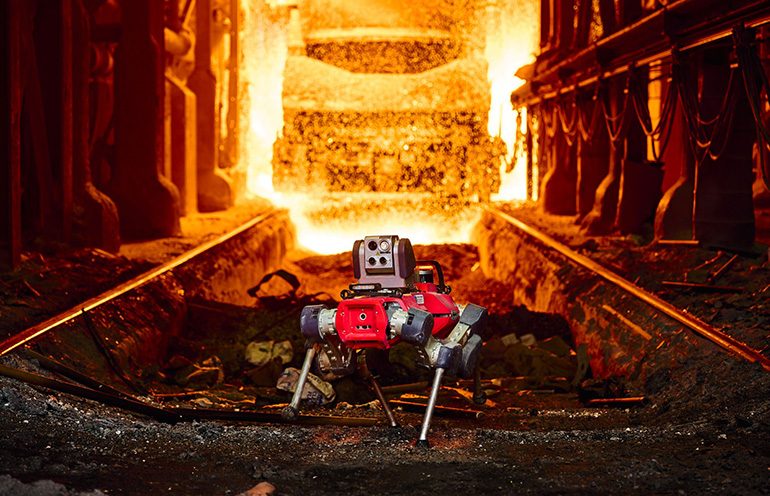
ANYmal X is certified to operate in hazardous atmospheres. Source: ANYbotics
Hazardous environments are good use cases for robots, which are expanding into new use cases. ANYbotics AG today launched ANYmal X, which it claimed is “the world’s first legged inspection robot for explosive atmospheres.”
The new quadruped is designed to meet strict safety standards in oil, gas , and chemicals, said the company . ANYmal X uses an advanced industrial AI stack to conduct routine autonomous inspections in environments that are dangerous to people, it said.
“Four years of pioneering engineering with more than 10 patents went into ANYmal X,” stated Péter Fankhauser, co-founder and CEO of ANYbotics. “Many experts thought a legged robot could never be made safe for explosive atmospheres.
“Oil, gas and chemical plants are among the most hazardous and most costly places to operate,” he added. “That makes them the prime case for physical and industrial AI, yet until now, the areas that matter most were off-limits to robots like ours. That changes today.”
Spun out of ETH Zurich in 2016, ANYbotics said its ANYmal robots and the Shift operations platform automate routine inspections in multiple industries, keeping people out of harm’s way and turning inspection data into maintenance action. Backed by more than $150 million from leading European and Silicon Valley investors, ANYbotics has about 200 employees in Zurich, San Francisco, and Barcelona.
Equipment failures in hazardous spaces are costly, says ANYbotics
“Valued at $102 billion, the global oil, gas, and chemical sector is the largest market for autonomous inspection,” noted ANYbotics. “Two major operational costs drive this market value: the expensive skilled labor required for manual inspection, and the downtime caused by preventable equipment failures.”
“Because critical components, like pumps, compressors, valves, and piping, are located in hazardous zones, where standard robots are banned, human operators still need personal protective equipment, handheld gas detectors, and entry permits to inspect these areas on foot,” it said.
Undetected equipment failures cost the world’s 500 largest companies roughly $1.4 trillion each year in preventable downtime, ANYbotics said. In the oil and gas sector alone, a single hour of unplanned downtime can cost up to $500,000 according to Siemens , while U.S. extraction workers face a fatality rate seven times the national average, found NIOSH .
In addition to keeping workers out of harm’s way and minimizing downtime, ANYmal X can provide continuous, repeatable, structured observational data that enhances digital facility planning models, such as digital twins. ANYbotics said this gives them greater contextual detail to be more useful across an entire organization.
Submit your innovation now!
Certifying a robot for hazardous zones is one of the hardest parts of the design process
Every device used in hazardous areas, from radios to flashlights, must be explosion-protected, or “ex-proof,” said ANYbotics. Each unit requires independent certification proving it cannot ignite a flammable atmosphere, even when something fails. ANYbotics built ANYmal X to comply with the ATEX standard in Europe and IECEx globally.
Fixed equipment typically achieves compliance using heavy, explosion-proof enclosures or limiting electrical energy to prevent ignition, the company explained. A legged robot cannot use either approach. It requires high-power motors and a large battery in a frame light enough to climb stairs, exposed cameras and sensors for navigation , and autonomous docking capabilities.
ANYbotics has designed its legged robots for complex environments. Source: ANYbotics
Every one of these components had to be certified ex-proof without sacrificing the autonomous mobile robot’s ( AMR ) payload capacity, agility, or operating speed, said ANYbotics.
“We asked one question over and over: Which credible event in the life of a walking robot could create an ignition source, and how do we make sure it never does?” said Andrea Corda, chief technology officer of ANYbotics. “Working closely with the certification bodies, we answered that question component by component. The result is a new explosion-protection approach for an entire class of autonomous mobile robots.”
ANYbotics performed a comprehensive ignition-risk assessment for ANYmal X’s service life and implemented safeguards for each potential ignition source. Each of its components has been designed to minimize ignition risk.
The company said the new robot ’s AI computer and inspection equipment are enclosed in nitrogen-filled, sealed chambers. Non-metallic shells insulate metallic components, conductive feet provide grounding, and automatic cutoffs monitor temperature. All 12 leg actuators and its battery are protected by flameproof casings. Charging and data transmission use energy barriers, so no connection is exposed to hazardous areas.
ANYmal X’s onboard software monitors the robot’s condition before, during, and after each mission. It also tests durability against shock, vibration, corrosion, solar radiation, and salt mist to ensure that all protective measures function properly in normal use.
ANYmal X ships as a ‘complete system’ proven at industrial scale
“A certified robot is only the entry ticket for inspecting oil, gas, and chemicals facilities,” said Thierry Obédé, chief revenue officer at ANYbotics. “ANYmal X is a complete end-to-end inspection solution built for performance, safety, and security. It combines autonomous navigation, industrial AI for data interpretation, and integrations that convert findings directly into maintenance work orders.”
“Today, more than 50 power, metals, and materials customers use this system to run over 120,000 autonomous inspections every month,” he added.
ANYmal X runs on Shift , which schedules robot missions, organizes findings by asset, and helps maintenance teams track changes over time. It connects…
Les actualités sont collectées automatiquement depuis des flux publics robotique & IA.
Articles liés
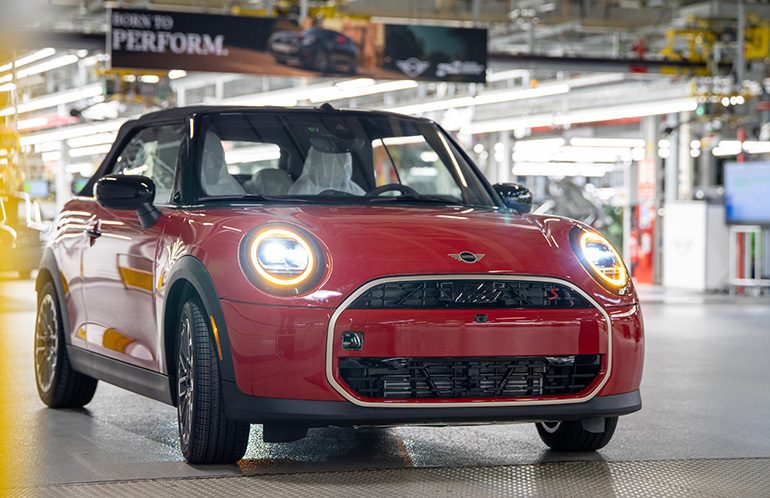
Embotech and BMW move 1M vehicles with automated driving technology
Embotech is automatically moving 3,500 vehicles around the clock daily across four BMW sites in the U.K. and Germany. The post Embotech and BMW move 1M vehicles with automated driving technology appeared first on The Robot Report .
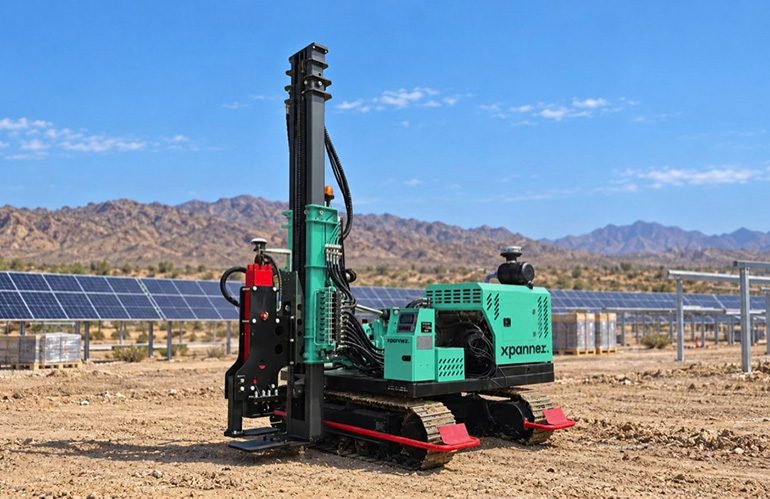
Xpanner launches autonomous pile driver for solar farm contruction
Xpanner's new X1 Piling R6 robot autonomously drives solar posts with one operator, improving placement accuracy while cutting on-site labor. The post Xpanner launches autonomous pile driver for solar farm contruction appeared first on The Robot Report .
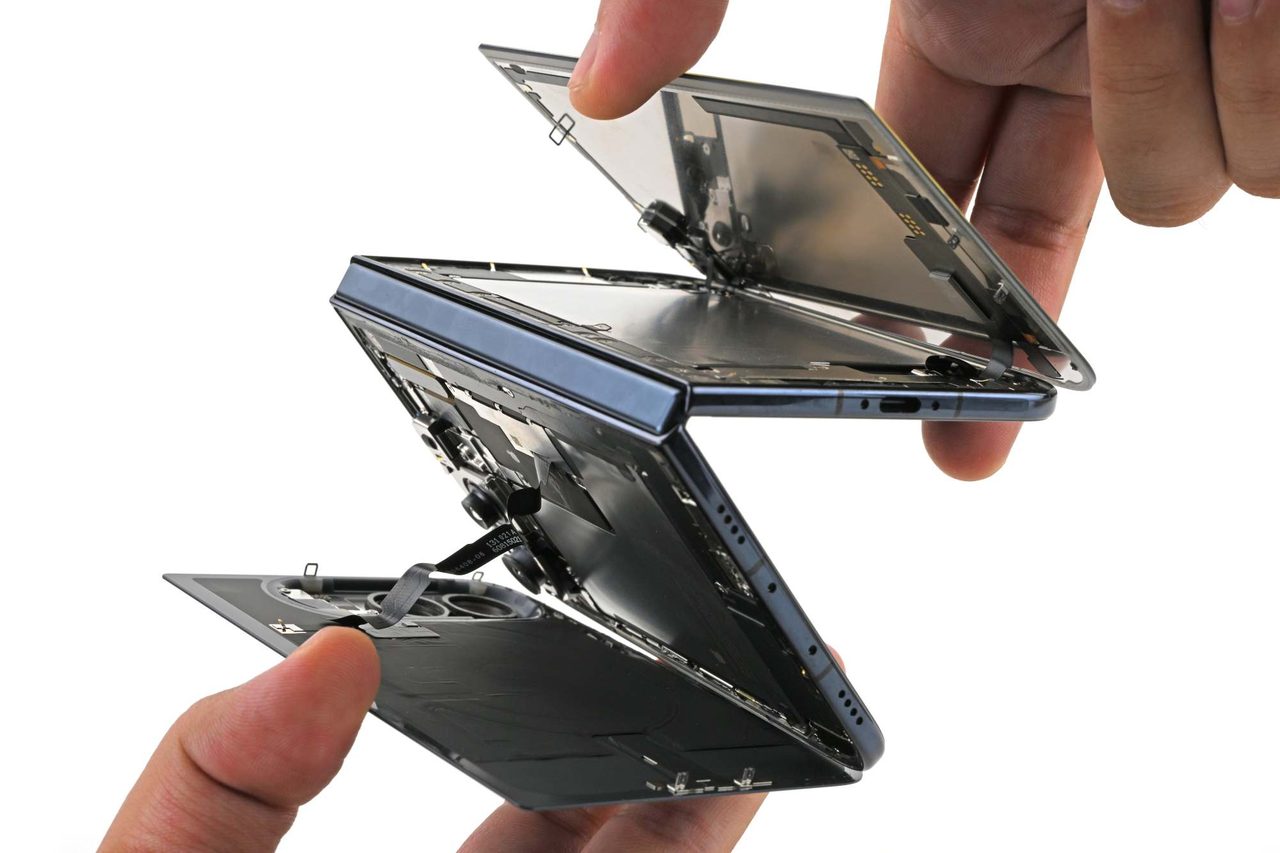
iPhone Duo 裂屏,是苹果新 CEO 接班后第一次「大考」
头图图片来源:iFixit 2011 年 9 月 30 日,苹果递交了一份名为「Flexible electronic devices」的专利申请。 它描述的是一台屏幕可以对折的设备,合起来能揣进口袋,靠传感器判断自己是开着还是合着。 这份专利 2015 年 1 月获得授权,发明人一共六位,其中一位叫特努斯(John Ternus)。 苹果 2011 年递交的折叠设备专利附图|图片来源:Apple 十五年后,2026 年 9 月 9 日,当年署名的这位工程师,第一次以苹果 CEO 的身份走上发布会舞台,发布的正是一台可以对折的 iPhone:iPhone Duo。 巧的是,十二年前的同一天,2

刚刚,Rokid首款全彩AI眼镜亮相,4999元起
智东西 作者 | 云鹏 编辑 | 李水青 智东西10月27日杭州现场报道,刚刚,乐奇Rokid发布了自家 第二代AI眼镜Rokid Glasses 2, 以及其首款 全彩AI眼镜Rokid Color、 配合眼镜使用的 智能戒指Rokid Ring 三款重磅新品。 相比上代,Rokid Glasses 2 戴着更舒服、续航更长, 搭载 高通AR+ 和 6nm恒玄芯片, 镜片中间“出戏”的 彩虹纹等现象大幅减弱。 核心AI能力方面,乐奇AI的 反应更快、识别的更准,有记忆并且可以主动提醒 你做事。 你还能用AI眼镜调用智能体办公、 写代码、扫码开柜、打车导航、购物比价、找店铺。 基于Rokid
看了招股书,我终于知道为什么 Anthropic 不在乎用户了
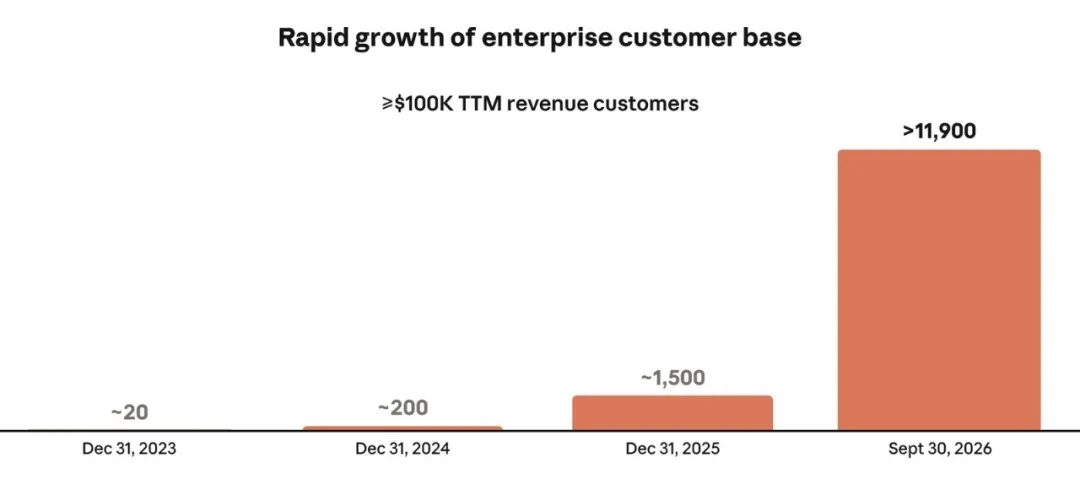
大的,终于来了。 10 月 26 日,Anthropic 向美国证监会公开递交了 S-1 招股书,准备在纳斯达克全球精选市场挂牌上市,股票代码定为 ANT。媒体报道中, 这家公司的估值讨论区间已经来到了 1.5 万亿至 2 万亿美元 ,发行价区间尚未披露。 24 小时内,这本 300 多页的招股书已经被科技圈和金融圈翻了个底朝天,最抓眼球的几个数字大家都看过了:2026 年上半年营收 162.86 亿美元,去年同期只有 11.63 亿美元;第二季度交出 9.74 亿美元经营利润,迎来公司历史上首个经营盈利的季度;至于账面上高达 807 亿美元的净亏损,大头是 723.88 亿美元的可转债、衍生

Manus,刚刚悄悄发布了自己的 2.0 宣言
10 月 26 日,Manus 联合创始人、产品合伙人张涛(网名 HideCloud)最近在自己的公众号「潜云思绪」写了一篇长文,标题叫《 用 Manus 改造 Manus 》。 文章开头是一个让他印象很深的画面。他给工程师提了几条需求和 Bug,过一会儿去看进展,发现对方电脑上开着一排 Codex 和 Manus 的 Session。随便点开一个,输入就是他刚在 Slack 上发的需求原文,一字未改。 更让他意外的是,这位工程师当时同时在处理十几、二十个需求。在今天的 Manus,这已经是常态。 这篇文章信息量很大,有几件事最值得记下来。 Manus 内部做了一个叫 Manus-mono 的