Xpanner launches autonomous pile driver for solar farm contruction
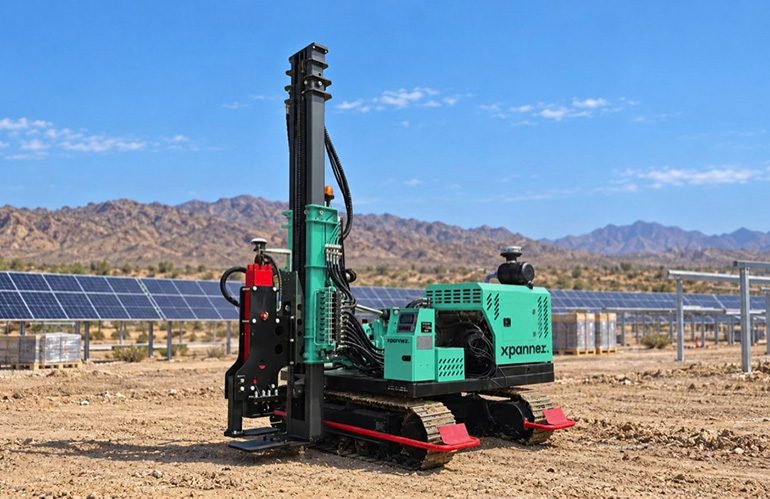
The Xpanner X1 Piling R6 is an automated pile-driving system for utility-scale solar and battery energy storage sites. | Credit: Xpanner
Xpanner today announced the X1 Piling R6, a fully automated pile-driving robot built to autonomously install posts for utility-scale solar and battery energy storage, or BESS, sites. Supervised by a single operator, the system uses high-precision GNSS and onboard sensors to place each pile accurately, helping builders keep pace with new power demand despite a shortage of skilled crews.
The core of the robot is Xpanner’s Everstar R6 crawler base machine. The R6 is equipped with the Santa Fe Springs, Calif.-based company ‘s automation stack with onboard sensors and controls to autonomously complete the pile driving process for each post.
Xpanner designs for simplified operation
An operator uploads a plan, then walks X1 Piling R6 machine to the row using a remote control interface. The operator supervises the construction as the machine drives each pile accurately.
The R6 can autonomously navigate to the subsequent pile locations using high-precision GNSS antennas and receivers, precision sensors , and the Xpanner-developed automation controller. One operator can remotely manage the installation process.
“Solar and BESS builders are racing to bring new power online for the grid and for AI data centers, and they can’t find enough skilled crews to keep up,” said Henri Lee, co-founder and CEO of Xpanner. “X1 lets one operator drive every pile plumb with a single touch, keeps people away from the mast, and logs each pile as it goes in. It takes the automation EPCs [engineering, procurement, and construction firms] already trust on PD10 and puts it on a more powerful, more versatile machine.”
X1 connects to Xpanner Connect, the company’s web-based project dashboard. Project teams can load the pile schedule and coordinates, assign machines, and set up a site in minutes.
As X1 works, it records each pile’s position, depth, and plumb and posts it to a live project map, replacing manual counts, phone calls, spreadsheets, and end-of-day reports. Managers can also monitor machine state, cycle counts, and alerts across the fleet without a site visit.
Xpanner said business model is a mixed capex/SaaS subscription model. Customers purchase (or rent) the X1 Piling robot and then license the automation software on a monthly subscription basis for each active technology.
According to the company, the subscription is not tied to a specific project, site, or number of piles driven. Rather, the customer pays for the technology while it is actively being used. Once piling operations or the applicable task is completed, the equipment and technology can be transferred to another project and activated as needed.
Xpanner handles initial installation, calibration, operator training, and technical support, while the contractor provides the equipment operators on-site.
The Xpanner X1 Piling robot autonomously installs the posts for a solar panel farm. | Credit: Xpanner
Key features of the X1 Piling R6 robot
Power for hard ground: The system includes a 97 kW (130 hp) engine and a high-frequency hydraulic hammer with up to 1,260 J (929 ft.-lb.) of impact energy and three energy settings to match soil conditions.
Fine positioning without tramming: The guide rail slides 11.8 in. (300 mm) forward and back and 19.7 in. (500 mm) left and right, and the upper body rotates 180 degrees, putting the hammer on target from a single setup.
Range of pile lengths: The X1 can drive piles up to 23 ft. (7.0 m) long, with a maximum driving depth of 15.7 ft. (4.8 m). Because the hammer lowers near the ground and piles can be driven flush to grade, one machine handles standard tracker piles, short motor piles, and BESS foundation piles without an adapter.
Built for the field: Features include a mast that does not need disassembly for transport, a large fuel tank for long shifts, engine auto-idle, a large-capacity cooler, manual override, and e-stop.
Multi-function mast (and potential capabilities): DTH drilling, auger drilling, and ground screwing on the same carrier, so one machine can pre-drill and drive.
The X1 Piling R6 is designed to work together with the X1 panel lift , which was released earlier this year, for autonomous solar panel installation.
The post Xpanner launches autonomous pile driver for solar farm contruction appeared first on The Robot Report .
Les actualités sont collectées automatiquement depuis des flux publics robotique & IA.
Articles liés
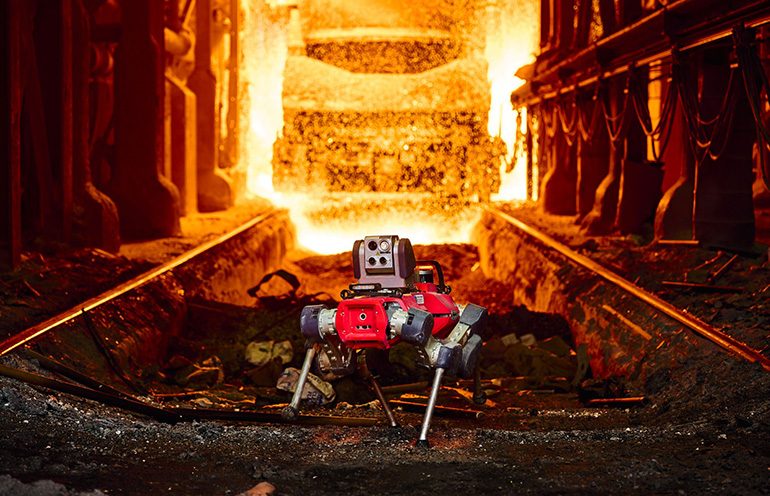
ANYbotics begins delivering ANYmal X legged robot for explosive atmospheres
ANYbotics has designed the ANYmal X inspection robot to comply with the strictest safety standards of the oil, gas, and chemical industries. The post ANYbotics begins delivering ANYmal X legged robot for explosive atmospheres appeared first on The Robot Report .
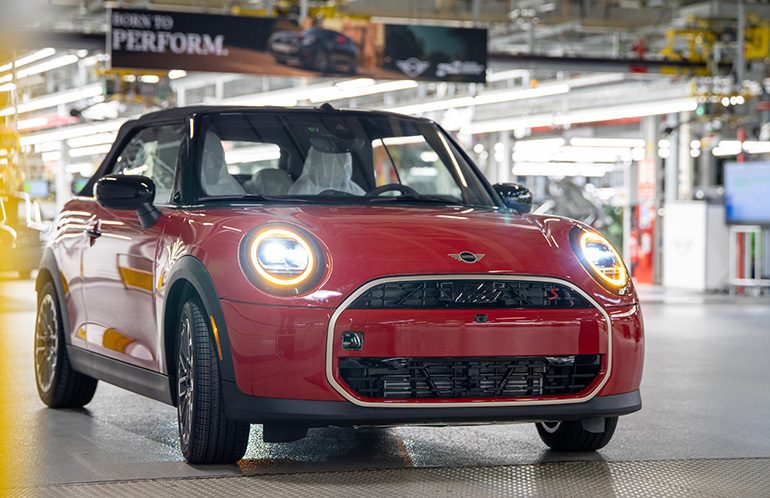
Embotech and BMW move 1M vehicles with automated driving technology
Embotech is automatically moving 3,500 vehicles around the clock daily across four BMW sites in the U.K. and Germany. The post Embotech and BMW move 1M vehicles with automated driving technology appeared first on The Robot Report .
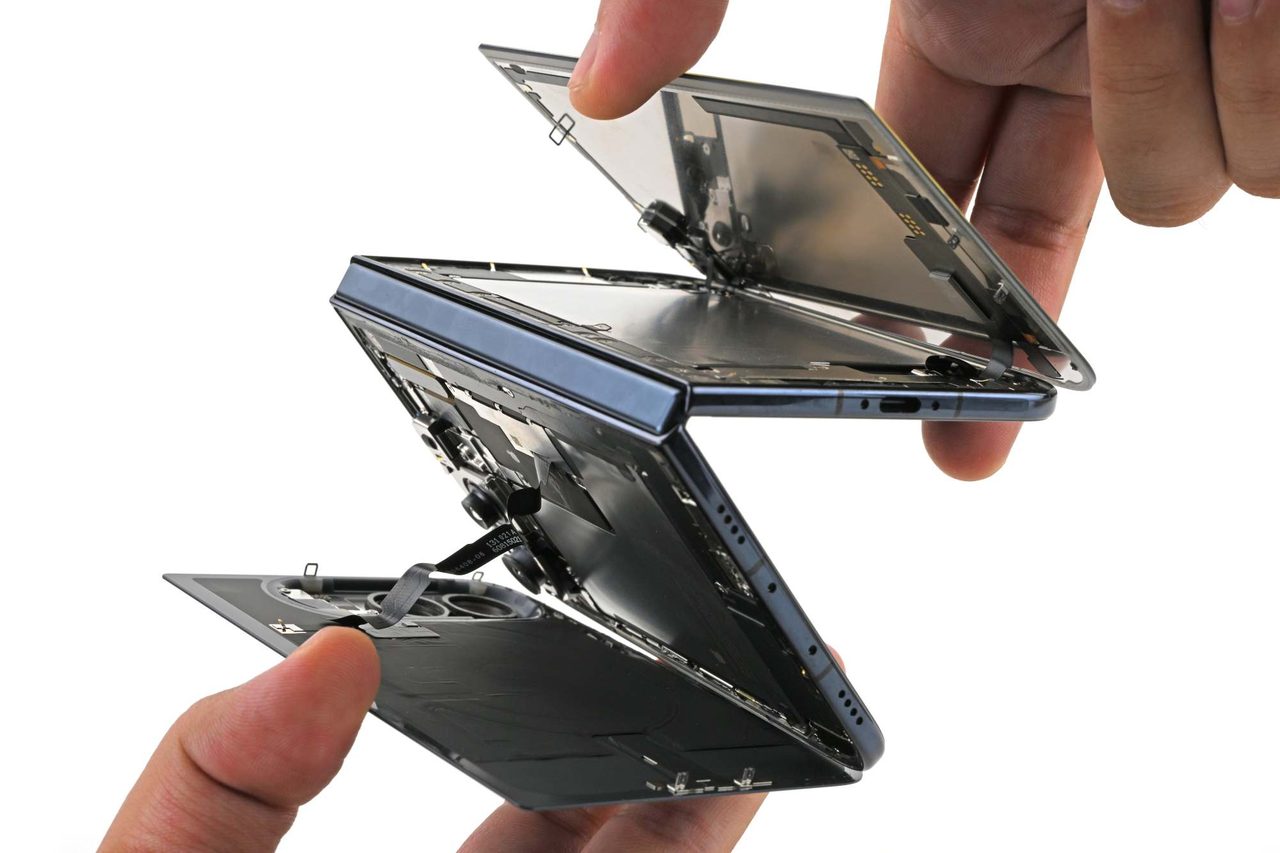
iPhone Duo 裂屏,是苹果新 CEO 接班后第一次「大考」
头图图片来源:iFixit 2011 年 9 月 30 日,苹果递交了一份名为「Flexible electronic devices」的专利申请。 它描述的是一台屏幕可以对折的设备,合起来能揣进口袋,靠传感器判断自己是开着还是合着。 这份专利 2015 年 1 月获得授权,发明人一共六位,其中一位叫特努斯(John Ternus)。 苹果 2011 年递交的折叠设备专利附图|图片来源:Apple 十五年后,2026 年 9 月 9 日,当年署名的这位工程师,第一次以苹果 CEO 的身份走上发布会舞台,发布的正是一台可以对折的 iPhone:iPhone Duo。 巧的是,十二年前的同一天,2

刚刚,Rokid首款全彩AI眼镜亮相,4999元起
智东西 作者 | 云鹏 编辑 | 李水青 智东西10月27日杭州现场报道,刚刚,乐奇Rokid发布了自家 第二代AI眼镜Rokid Glasses 2, 以及其首款 全彩AI眼镜Rokid Color、 配合眼镜使用的 智能戒指Rokid Ring 三款重磅新品。 相比上代,Rokid Glasses 2 戴着更舒服、续航更长, 搭载 高通AR+ 和 6nm恒玄芯片, 镜片中间“出戏”的 彩虹纹等现象大幅减弱。 核心AI能力方面,乐奇AI的 反应更快、识别的更准,有记忆并且可以主动提醒 你做事。 你还能用AI眼镜调用智能体办公、 写代码、扫码开柜、打车导航、购物比价、找店铺。 基于Rokid
看了招股书,我终于知道为什么 Anthropic 不在乎用户了
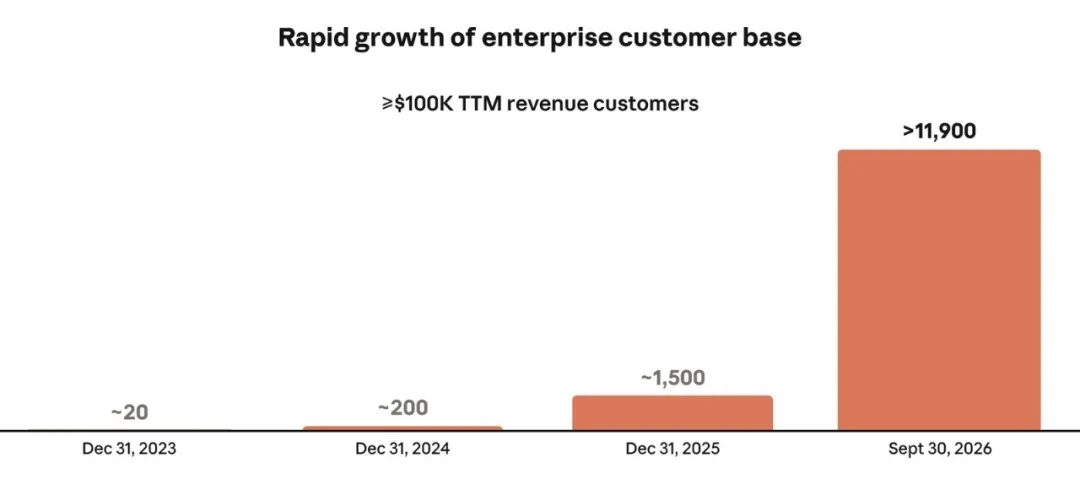
大的,终于来了。 10 月 26 日,Anthropic 向美国证监会公开递交了 S-1 招股书,准备在纳斯达克全球精选市场挂牌上市,股票代码定为 ANT。媒体报道中, 这家公司的估值讨论区间已经来到了 1.5 万亿至 2 万亿美元 ,发行价区间尚未披露。 24 小时内,这本 300 多页的招股书已经被科技圈和金融圈翻了个底朝天,最抓眼球的几个数字大家都看过了:2026 年上半年营收 162.86 亿美元,去年同期只有 11.63 亿美元;第二季度交出 9.74 亿美元经营利润,迎来公司历史上首个经营盈利的季度;至于账面上高达 807 亿美元的净亏损,大头是 723.88 亿美元的可转债、衍生
Manus,刚刚悄悄发布了自己的 2.0 宣言
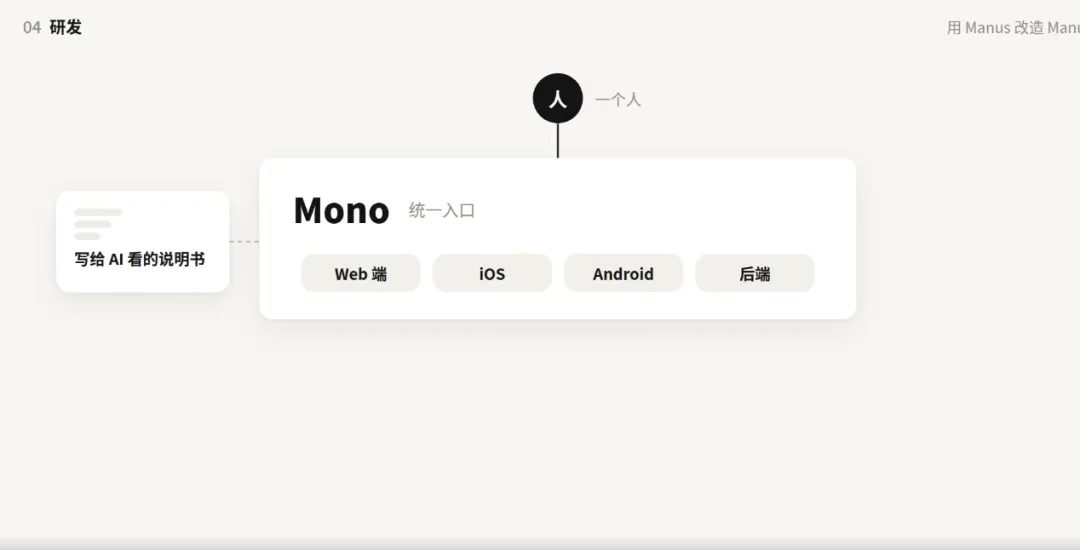
10 月 26 日,Manus 联合创始人、产品合伙人张涛(网名 HideCloud)最近在自己的公众号「潜云思绪」写了一篇长文,标题叫《 用 Manus 改造 Manus 》。 文章开头是一个让他印象很深的画面。他给工程师提了几条需求和 Bug,过一会儿去看进展,发现对方电脑上开着一排 Codex 和 Manus 的 Session。随便点开一个,输入就是他刚在 Slack 上发的需求原文,一字未改。 更让他意外的是,这位工程师当时同时在处理十几、二十个需求。在今天的 Manus,这已经是常态。 这篇文章信息量很大,有几件事最值得记下来。 Manus 内部做了一个叫 Manus-mono 的