Robot integration brings high-precision production to midmarket manufacturers

High-precision manufacturing was once considered something exclusive to large corporations. However, advances in robotic integration and automated manufacturing have changed this perception.
Sophisticated capabilities are becoming accessible to midmarket and smaller operations. This shift has led to a more even competitive landscape.
Smaller manufacturers have an opportunity to reach new levels of accuracy and efficiency. Today’s robotic systems can help these producers modernize targeted workflows without overhauling their entire production operations.
Robotic innovations drive efficiency for manufacturers
The evolution of robotics has led to more democratized precision manufacturing processes. This is evident across industrial robots and agile collaborative robots .
Key benefits of these innovations can include:
Cost and footprint: The potential for lower investment costs and compact designs can make robotic systems economically viable. It can also simplify integration into existing layouts.
Enhanced programming: Intuitive interfaces and lead-through teaching methods support quick deployment and reconfiguration. This reduces the training typically required for operators without robotics expertise.
Sensors and AI -driven capabilities: Sensors, such as vision systems and force-torque sensors, can be integrated with AI. This enables robots to understand, react and adapt with precision.
Safety and collaboration: Cobots can work safely alongside humans without extensive guarding. This fosters a flexible human-robot workforce that combines optimal utilization and human dexterity.
These advancements mean that midmarket manufacturers can overcome hurdles like skilled labor shortages, rising costs, and quality demands.
Submit your innovation now!
Real-world impact of robotic integration for precision manufacturers
Here are some use cases that show how a diverse range of manufacturers have taken advantage of recent advances in robotics.
1. SCHUNK R-C2 automation for flexible production
Torneria Novoletto is an Italian organization specializing in sophisticated components for the chemical, medical , and pharmaceutical sectors.
The company faced obstacles in achieving high precision and process reliability for medium-sized batches. It implemented SCHUNK’s R-C2 automation concept , integrating advanced clamping devices and grippers with robotic handling.
Introducing this system helped to support high operational flexibility. Setup and changeover times were also significantly reduced because the SCHUNK R-C2 allows the continuous handling of workpiece sizes and automated reclamping.
This innovative robotic integration has helped Torneria Novoletto to pursue an unmanned 24/7 operation, increase machine utilization, and mitigate shortages of skilled labor.
Torneria Novoletto shows the compact efficiency of the R-C2 automation. Source: SCHUNK
2. Cobot integration for part marking
Telesis, a leading provider of industrial marking solutions, integrated its part marking technology with systems from Universal Robots .
The company offers advanced laser and dot peen markers. When a Telesis laser marking system is integrated with a UR force- and power-limited robot arm, it creates a precise and flexible method of identifying automated parts.
Innovations like this ensure that systems can be safely deployed alongside human workers. Robotic integrations have provided Telesis with a streamlined marking process without complex safety enclosures, consistent high-quality marking on various materials and part geometries, and added traceability and quality control.
Telesis demonstrates integrated laser-marking systems with robotic control. Source: Universal Robots
3. FANUC M-20 robots enhance throughput and scale
Northern Kentucky Machine (NKM), a flexible job shop, experienced labor shortages and production capacity challenges. Its strategic response included the use of automated manufacturing solutions, such as deploying FANUC M-20 Series industrial robots.
By using Automation Within Reach’s (AWR) “RC-2” CNC machine-tending system, the integration increased NKM’s throughput and machine utilization.
Operators quickly adapted to programming and running these robotic cells. This helped to enable “lights-out” manufacturing for longer runs, freeing up human workers for other tasks.
The FANUC robots have provided NKM with the scalability needed to pursue and take on larger projects, deliver consistent part quality, drive growth, and compete with other midsize organizations.
NKM used the M-20 Series robot to boost the efficiency of human workers. Source: FANUC
4. ActiNav enables bin picking and legacy equipment extension
PrecisionForm Inc. is a producer of small custom metal parts. It faced the challenge of automating bin picking for CNC machines.
By deploying Universal Robots’ ActiNav system , PrecisionForm integrated a UR5 cobot with advanced vision and path-planning capabilities. This approach led to reliable part picking from deep bins that were then loaded into CNC machines.
Challenging geometries were less of an issue, and operators were freed up to manage multiple machines. The UR cobots helped reduce labor challenges and extend the lifespan of older CNC equipment.
By adding a relatively inexpensive robotic solution, PrecisionForm Inc gained additional utility from existing machinery, increased the potential return on investment (ROI) as a midmarket operation, and improved daily production.
Uses can easily deploy and calibrate the ActiNav system, says UR. Source: Universal Robots
Capabilities evolve for midmarket manufacturers
The accessibility of precision manufacturing marks a crucial moment for many industries. Robotic integration is no longer exclusive to the world’s largest enterprises.
Innovations offering ultra-high accuracy and consistent quality are now economically and operationally viable for midsized manufacturers. The benefits that organizations such as Telesis,…
Les actualités sont collectées automatiquement depuis des flux publics robotique & IA.
Articles liés

刚刚,OpenAI被曝又拿730亿,估值超8.3万亿
智东西 编译 | 毕伟豪 编辑|云鹏 智东西11月7日消息,刚刚,据彭博社报道, OpenAI已完成新一轮融资的首批资金交割 ,金额约为 110亿美元(约合人民币734.4亿元) ,公司估值达到 1.25万亿美元(约合人民币8.35万亿元) 。 据知情人士透露,截至当地时间周五,相关融资款项已经汇入OpenAI账户。 本轮融资总额最高可能达到200亿美元(约合人民币1335.3亿元) ,剩余部分预计将在未来几周内完成,截至目前,OpenAI尚未公布本轮融资的最终金额。 参与首批资金交割的投资方包括 Coatue Management和普信集团(T. Rowe Price) 。本轮其他投资方还包

How Point One turned GPS accuracy into a robotics platform
Aaron Nathan explains how precise location technology like GPS is enabling robots to navigate, coordinate, and scale across real environments. The post How Point One turned GPS accuracy into a robotics platform appeared first on The Robot Report .
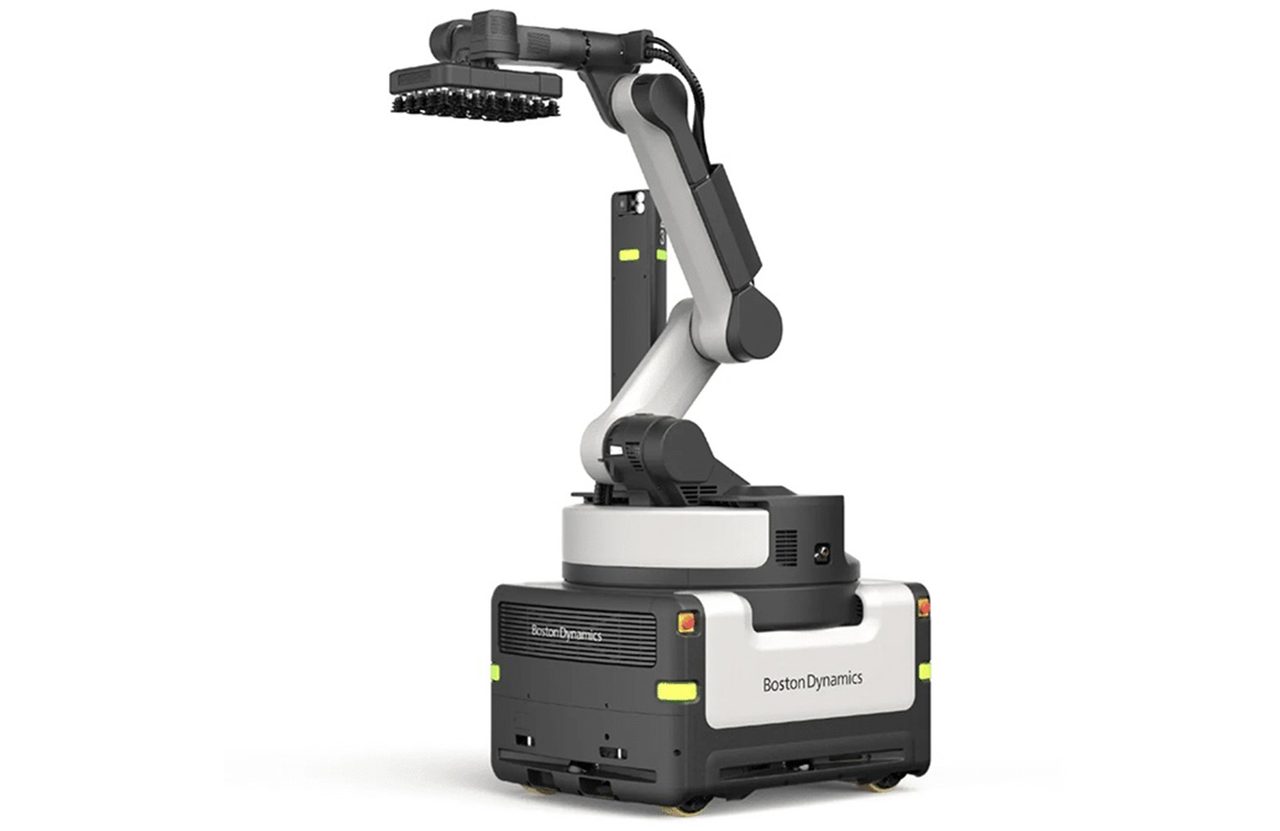
Boston Dynamics built Stretch Gen 2 for reliable, consistent performance
Brian Donnelly, the VP and GM of logistics robotics at Boston Dynamics, said the new version of Stretch has been in the works for two and a half years. The post Boston Dynamics built Stretch Gen 2 for reliable, consistent performance appeared first on The Robot Report .
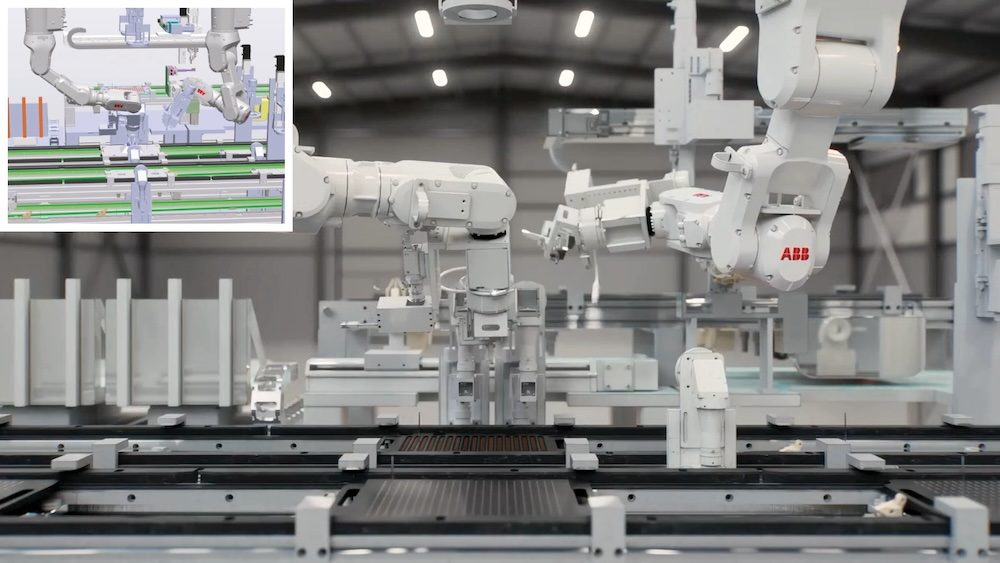
Industry experts discuss China blocking SoftBank acquisition of ABB Robotics
China's prohibition of SoftBank's purchase of ABB Robotics reflects wider concerns about data and AI, say experts. The post Industry experts discuss China blocking SoftBank acquisition of ABB Robotics appeared first on The Robot Report .

前OpenAI CTO推新模型,让用户自己训AI!创企估值被曝冲刺2600亿
智东西 作者 | 孙小雯 编辑 | 程茜 智东西11月6日消息,今日,前OpenAI首席技术官米拉·穆拉蒂创办的美国AI创企Thinking Machines Lab发布 通用多模态模型Inkling 2 Small ,并将于 下周 开放权重 。该模型重点改善定制训练表现,支持开发者用自己的数据进一步训练,也支持自行调用工具对其他模型进行微调。 ▲Thinking Machines官方公告(图源:X) 该模型在第三方评测机构Artificial Analysis(AA)的智能指数中获得31分,前代Inkling-Small为13分。按当前榜单,新模型开放权重后,将在该指数中位列 中国以外开放权

扎克伯格29岁“接班人”的百亿朋友圈,藏着“硅谷新黑帮”
智东西 作者 | 江宇 编辑 | 云鹏 一个由华尔街量化实习生组成的“ 硅谷新黑帮 ”,再次走入聚光灯下。 智东西11月4日报道,近期,英国《金融时报》刊发了对 Meta首席AI官、29岁华裔创业者亚历山大·王(Alexandr Wang)的人物报道 ,讨论了他在Meta内部的影响力,以及未来接替扎克伯格掌管这家科技巨头的可能性。 而接班人传闻出现两天后,亚历山大·王再秀了一把存在感,向外界展示了自己的另一重身份。 10月19日,他在X上晒出一张与Cognition联合创始人Scott Wu、Hyperliquid联合创始人Jeff Yan的合影, 配文是“HRT帮又聚齐了!”(got the