28 Zero-Day Findings in Less Than Two Days: What AI-Speed Discovery Means for Robotics

VicOne identified an initial set of 28 zero-day findings in less than two days using AI-assisted research across software and tools supporting the Physical AI ecosystem. These include projects developed or maintained by Google, NVIDIA, and Meta, among others.
Based on initial validation, all 28 findings are classified as zero-day vulnerabilities. The count may change following vendor and vulnerability-authority review, and some findings do not yet have CVE tracking numbers.
Many of these tools help teams train, simulate, test, and operate robots. Weaknesses in them could influence the models teams build, the test results they trust, and the instructions sent to robots.
These findings create two demands for robotics teams: responding as AI helps uncover weaknesses faster , and assessing how each one could affect robot safety and operations .
What AI changes about vulnerability discovery
Vulnerability discovery involves examining code, tracing how systems communicate, and testing whether a suspected weakness can actually be exploited. AI can accelerate parts of this work, helping researchers analyze more software in less time. Attackers could use similar capabilities.
When the weakness is a zero-day — previously unknown and without an available fix — faster discovery can leave teams with little time to respond. While that exposure does not necessarily mean an attack has occurred, teams still need to determine whether they use the affected software and what an attacker could access or change.
Where the findings sit across the robot lifecycle
VicOne’s findings span three stages of the robotics lifecycle: development and training, simulation and validation, and deployment and runtime. Weaknesses at each stage could affect what a robot learns, how it is tested, and how it is controlled.
Figure 1. In this research set, 75% of findings involved development, training, simulation, or validation tools, highlighting risks that can arise before a robot is deployed.
The following scenarios show how a compromised component could influence the robot at each stage.
Development and training: Hidden changes can reach the finished robot
A team downloads a pretrained model to adapt for its robot. Loading a malicious file could give an attacker access to the training system, allowing changes to training data or the model itself. A manipulated model could behave normally during routine testing but respond incorrectly to a particular object, scene, or command after deployment. The risk can enter through a tool the team trusts, before anyone attacks the robot directly.
Simulation and validation: A passing test could give false confidence
Importing a compromised scene or robot model could give an attacker access to the simulation environment. With sufficient control, the attacker could alter simulated sensor readings, physical conditions, or test results. A robot could then appear to pass tests that should have exposed unsafe behavior, leading the team to approve it for real-world use on the basis of misleading evidence.
Deployment and runtime: Operators could lose visibility or control
An attacker could exploit weaknesses to change files that influence motion planning or send malicious map data that crashes the operator’s monitoring display. Compromising a remote-operation computer could also put the instructions sent to the robot at risk. Depending on the system and its safeguards, these weaknesses could alter robot movement or leave operators unable to see what is happening and respond promptly.
These are potential consequences and not demonstrated outcomes for every finding. Actual effects depend on the attacker’s access, the system’s design, and whether other safeguards prevent the changes from reaching physical behavior.
In a separate demonstration, VicOne researchers provide a concrete example of a weakness affecting a protective function. The researchers exploited a vulnerability to prevent a robot’s remote-stop command from working. The case shows why teams need to test whether safeguards remain effective when the software supporting them is compromised.
Video 1. VicOne researchers demonstrate a vulnerability that prevents a robot’s remote-stop command from working.
A published patch still needs to be proven safe
AI can shorten the search for weaknesses, but a robotics team still needs to determine whether a fix is safe to deploy. Even after a software maintainer releases a patch, teams must identify affected systems, check compatibility, and verify that the update preserves intended behavior.
An earlier successful test remains useful evidence. However, a newly discovered weakness may reveal conditions that test never examined.
Three questions can help teams respond:
Where do we use the affected software? Include training computers, simulation environments, and deployed robots.
What could the weakness change? Assess whether it could affect models, test results, operator visibility, or robot behavior.
How do we verify protection? Confirm that the fix addresses the weakness and that the updated system still operates as intended.
When immediate updating is impractical, teams may need temporary safeguards, such as restricting access to an affected service, while a validated fix is prepared.
From discovery to safer deployment
As details from the 28 findings become available through coordinated disclosure, the next step is for robotics manufacturers is to connect each finding to its potential effect on development, deployment, and robot behavior.
That work also requires understanding how threats could affect robot behavior and how to protect systems already in operation. VicOne Radeis helps teams identify potential zero-day vulnerabilities, assess AI model and system security, and use simulation to evaluate how these risks could affect robot behavior before deployment. VicOne Rthena supports threat detection and responses within approved policies during operation.
Figure 2.…
News is gathered automatically from public robotics & AI feeds on a schedule.
Related
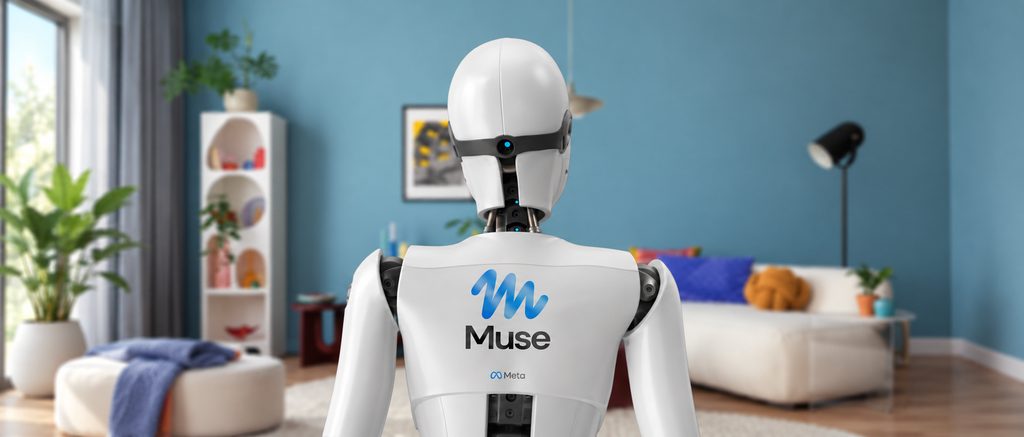
Muse人形机器人来了!小扎带队,中国造
智东西 编译 | 杨京丽 编辑 | 李水青 智东西11月1日消息,今日,据外媒The Information援引知情人士消息报道,Meta已与中国机器人公司 傅利叶 合作,打造出一款 名为“Max”的人形机器人原型 ,目前 已开始开发第二代产品 。 其中一位知情人士称,Meta与傅利叶仅用3个月就造出了这款 重约106磅(约48千克) 的人形机器人。这项工作的目标,是帮助Meta机器人部门进一步打磨未来产品,该产品后续有可能正式推出,目前尚未确定上市时间。 两名知情人士称,Meta机器人业务产品副总裁Li-Chen Miller曾在傅利叶位于上海的工厂 工作近两个月 ,共同推进这款原型机的开发
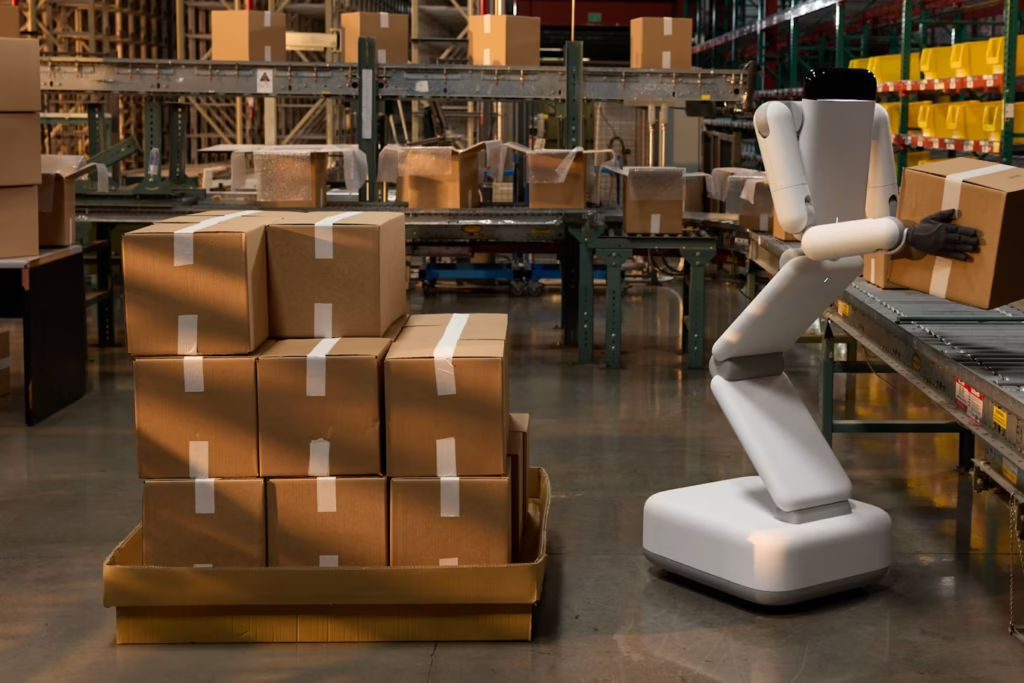
Why physical AI is the next lucrative frontier
To prove its commercial value, physical AI must get past funding enthusiasm and move into production environments. The post Why physical AI is the next lucrative frontier appeared first on The Robot Report .

Solving the Interconnect Challenge in Modern Robotics: How 3M Is Engineering for Motion, Density, and Uptime
As robotics systems grow more capable — faster, more precise, and increasingly reliant on AI-driven vision and control — the humble interconnect is being asked to do more than ever. The post Solving the Interconnect Challenge in Modern Robotics: How 3M Is Engineering for Motion, Density, and Uptime
DeepSeek又开源了!公布Super agent架构
智东西 作者 | 李水青 编辑 | 心缘 智东西11月1日报道,10月31日晚间, DeepSeek Harness 团队公布了其关于自主Agent探索—— Super-agent(超级智能体)的底层架构 。 ▲Super-agent开源项目地址 GitHub地址: https://github.com/deepseek-ai/dsh-superagent-prototype DeepSeek想做的“Super-agent”,可以通俗理解为一个 一直在线、能同时干多件事、会主动找活干、出问题能自己恢复 的Agent。该团队本次推出的成果并非一款新产品,而是更接近一种新思路——把计算机系统里的

智能体年均增长超一倍,百度智能云给智能体配了套新底座
智东西 作者 | 杨京丽 编辑 | 李水青 智能体的规模正在快速扩张。IDC预测,到2030年,全球活跃Agent数量将达到 22.16亿个 ,年复合增长率达到 139% ,年均增长超1倍。 各类智能体也在密集涌现,热度一路走高。从编程、办公到个人助手,从消费端到企业端,智能体正快速进入各个场景,成为今年AI落地的重点方向。 与热度同步攀升的,是Token(词元)的消耗量。国家数据局披露,到今年3月,我国日均Token调用量已超过 140万亿 ,较2024年初增长 1000多倍 ;中国信通院的监测则显示,到今年6月,这一数字已达 500万亿 。如此庞大的调用量说明, 智能体已经走出概念演示,开
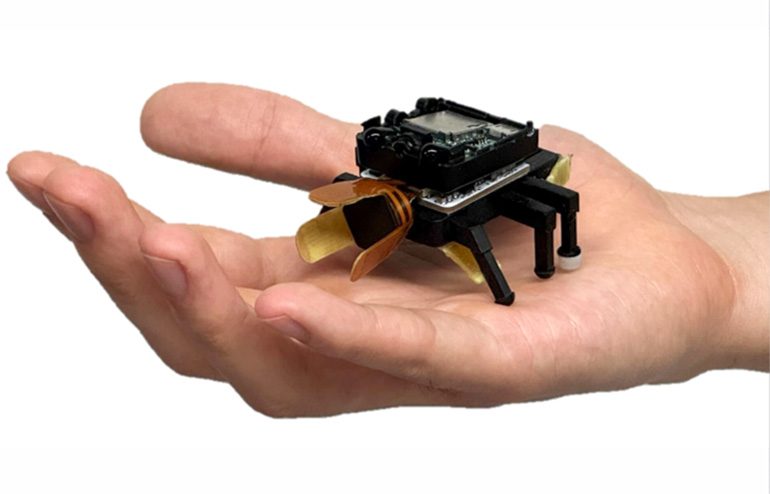
Unusual robotic animals can prove their utility
Robotic animals are designed to be helpful rather than scary, showing promise in disaster recovery, utility inspection, and companionship. The post Unusual robotic animals can prove their utility appeared first on The Robot Report .