Promise Robotics partners with D.R. Horton on physical AI for homebuilding
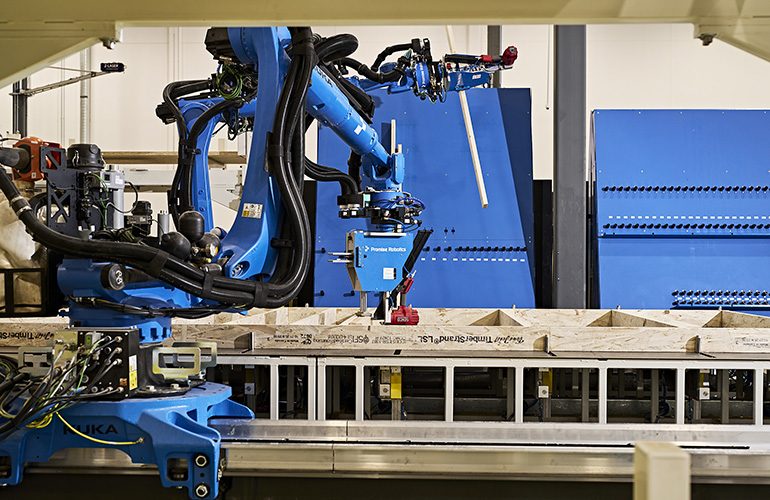
Promise Robotics says it can accelerate homebuilding by standardizing component manufacturing. Source: Promise Robotics
The construction industry is fragmented and has been relatively conservative about adopting new technologies, but physical AI promises to modernize homebuilding. Today, Promise Robotics said it has signed a multi-year agreement with D.R. Horton, which will use its Factory-as-a-Service capabilities to produce more than 1,250 homes in the U.S.
“Homebuilding has long lacked the production infrastructure needed to scale with the speed, predictability, and efficiency of modern manufacturing,” stated Ramtin Attar, co-founder and CEO of Promise Robotics. “Physical AI changes that by creating a new production model that can expand capacity within and across markets. Our goal is to make that capability accessible to builders across North America and support the industry’s long-term growth.”
“We started the company on the central thesis that robotics for the homebuilding space needed a very different approach and tech stack,” he told The Robot Report . “We started with mechanical and HVAC, and w’ve built the physical AI infrastructure for building component manufacturing.”
Founded in 2021, Promise Robotics said it has integrated robotics, AI , software, and manufacturing systems to connect the homebuilding workflow, from design translation and production planning through automated manufacturing and onsite installation. The Toronto-based company claimed that its Factory-as-a-Service (FaaS) model enables homebuilders to access advanced production infrastructure without the cost, complexity, or risk of developing and operating it themselves.
Construction needs to be more repeatable
As construction firms navigate persistent housing demand , labor shortages, rising costs, and pressure to increase output, they are searching for more repeatable and scalable ways to expand production, said Promise Robotics.
“Unlike traditional manufacturing, especially automotive , where there are five or six big players, the construction industry is large but fragmented,” explained Ramtar. “The workforce for homebuilding is also highly fragmented between businesses that manage the land, consumer houses, and seasonal trades. It doesn’t invest in the workforce in the same way as traditional manufacturing.”
“There’s no such thing as productization, in which the same car is built millions of times with small variations,” he added. “Even in the same home, every floor or wall is different. The clearances, components, and layouts are different.”
“To tackle this set of technical and business challenges, we take a distributed manufacturing approach,” said Ramtar. “Microfactories are a good problem for AI to solve, and we’ve spent years developing the foundational model and systems around construction.”
Register now and help us celebrate 20 years of RoboBusiness!
Software provides flexibility, scalability, says Promise Robotics
Promise Robotics handles that variability and resilience with software that can understand the limits of what’s possible, in terms of motion , building materials, and tools, Ramtar noted.
The company’s software can improve over time, allowing for reduced expenses. It is currently working with its own cloud-based simulations and KUKA industrial robot arms, but it is robot-agnostic, he said.
“We have a pretty deep tech stack, incorporating computer vision , LLMs [large language models] for initial prep of data flows, and a reasoning model that’s domain-specific,” said Ramtar. “For every home we build, we produce 300 new images, 5,000 new tactile sources, and a lot of processes. We’re very data rich, and that’s why we present ourselves as a physical AI infrastructure and not just a technology.”
“Our floors are 45 ft. and walls are 20 ft.,” he explained. “The walls have windows and doors in them. We’re also manufacturing stair cages that can be dropped in for fast assembly. Our sweet spot is townhomes between three to four stories. Taller than that, and there’s more need for sprinklers, bracing, and metalwork.”
The company can build a two-family home with two stories, a basement, and a garage in one day, not including electronics, window installations, and plumbing. That process typically takes two to three weeks, Ramtar said.
Promise Robotics integrates construction workflows with FaaS
Promise Robotics said its technology interprets existing home designs, generates production plans and robotic instructions, orchestrates manufacturing, and connects that production with site installation. Rather than automating isolated tasks, the company said it brings these capabilities together in one integrated environment.
“FaaS gives a broad range of homebuilders across geographies access to an integrated production platform,” said Promise Robotics. The FaaS model can help builders improve cycle times, increase capacity, and scale more predictably across communities and markets, it added.
“While every house we build is different, the process is the same — handling files, translating them into robotic instructions,” Ramtar said. “The robots are trained to build with highly variable components. We need to be able to support a lot of different types of builders and different types of products. We’re building everything from single to multiple units to duplexes and fourplexes, townhomes, so forth. And it’s never the same.”
Promise Robotics is setting up its initial FaaS facilities in Edmonton and Calgary in Canada and Phoenix. Its own crews operate the systems for a tight feedback loop, Ramtar said.
Promise Robotics’ core technology includes fastening algorithms and can be set to comply with local building codes on things like spacing. “Unlike the harsh environment in Canada, Phoenix required 50% less sheeting and different bracing,” said Ramtar. “Our system is built to adjust to different markets and generalize through AI.”
Promise Robotics is starting its Factory-as-a-Service in…
News is gathered automatically from public robotics & AI feeds on a schedule.
Related
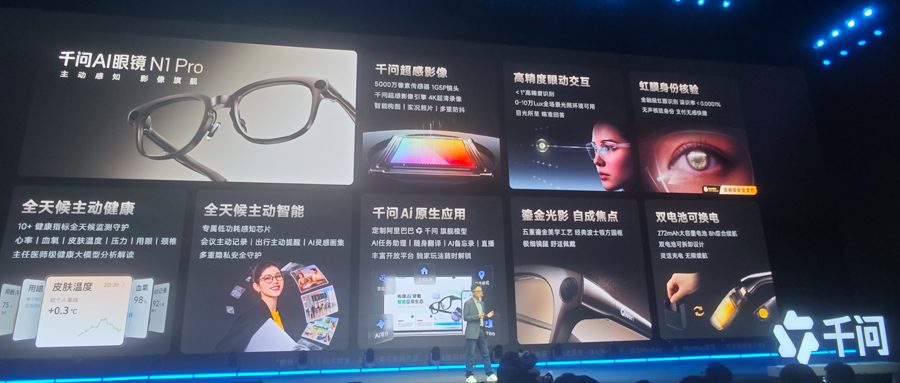
阿里千问上新AI眼镜!实测用眼睛 “硬控”,2218元起
智东西 作者 | 毕伟豪 编辑|李水青 智东西10月13日报道,刚刚,阿里千问发布了三款全新AI硬件,分别是 全能感知旗舰千问AI眼镜N1 Pro、影像旗舰千问AI眼镜N1,以及千问AI耳夹式耳机。 其中,千问AI眼镜N1 Pro支持 虹膜核身、眼动追踪以及心率等健康指标检测, 同时, 千问AI耳夹式耳机 也是千问旗下的首款AI耳机。 三款新品今天同步发售, N1售价2218元起 , N1 Pro售价2600元起 , AI耳夹式耳机售价1099元起 。 其中,N1系列均搭载 5000万像素传感器 ,支持 4K超清录像 、 实况照片拍摄 和 全天候环境感知 ,并具备AI灵感画集等 主动智能 能力
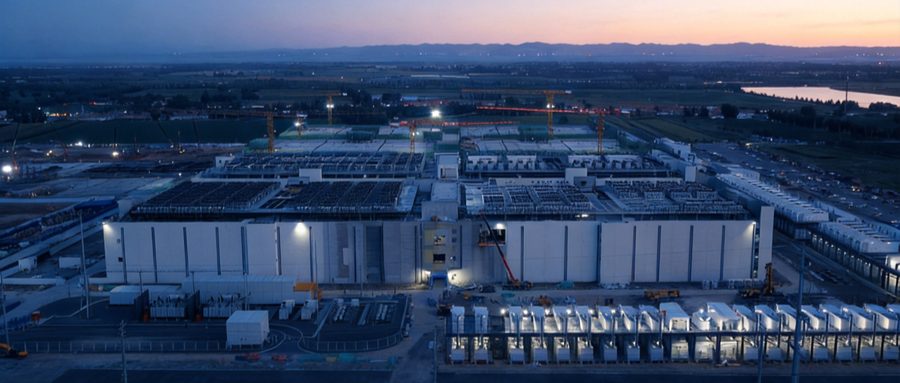
在AI时代“改变世界”,买电、买算力,还是造底座?
智东西 作者 | 陈骏达 编辑 | 漠影 智东西10月13日报道,近日,《财富》杂志发布2026年“改变世界50家企业”榜单,关注那些通过创新产品、商业模式或技术方案,为全球重大问题提供解决方案的企业。今年,Alphabet、Anthropic等AI领域的重要企业纷纷上榜,反映出AI正在成为推动产业乃至世界变革的重要力量。 不过,AI改变世界的方式,并不只有模型能力的突破和芯片算力的提升。当大模型训练与推理持续消耗更多算力, 支撑AI运行的能源供给与基础设施,也开始成为这场 变革 中不可忽视的一环。 远景科技集团 正是从这一维度进入榜单的少数中国企业之一。凭借“戈壁使命”(Mission Go

《功夫熊猫》执行制片,要“复活”Sora
智东西 编译 | 黄菲 编辑 | 江宇 智东西10月13日消息,据The Information报道,今日,一家专注于 影视制作的AI视频初创公司 正与 OpenAI洽谈 ,希望获得其此前关停的视频生成模型Sora的使用权限,并在此基础上进行深度定制,向电影制作人销售相关软件及服务。 这家公司的联合创始人包括 好莱坞大牌电影制作人、梦工厂联合创始人杰弗里·卡森伯格 (Jeffrey Katzenberg)、 前OpenAI Sora研究负责人比尔·皮布尔斯 (Bill Peebles),以及 前Dropbox首席财务官苏杰·贾斯瓦 (Sujay Jaswa)。 三人在近几个月内共同创办了这家公

干掉Fable 5.1!Meta甩出最强模型,即将上线Muse
智东西 作者 | 毕伟豪 编辑|李水青 智东西10月13日报道,昨夜,Meta发布了首个 前沿模型系列Muse Wonder ,包括Muse Wonder和Muse Wonder Full两个型号,重点面向 个人与专业智能体任务 。 Meta CEO马克·扎克伯格发文称,Meta超级智能实验室成立至今已一年多,Muse Spark是团队推出的首个模型系列,此次推出的Muse Wonder系列规模更大、能力更先进,引领着Meta的模型能力迈入前沿水平。 2025年6月,扎克伯格重金组建超级智能团队,投百亿美元并购AI创企、狂揽顶尖AI人才,今日终于放出“大招”。今年4月份亮相的Muse Spar
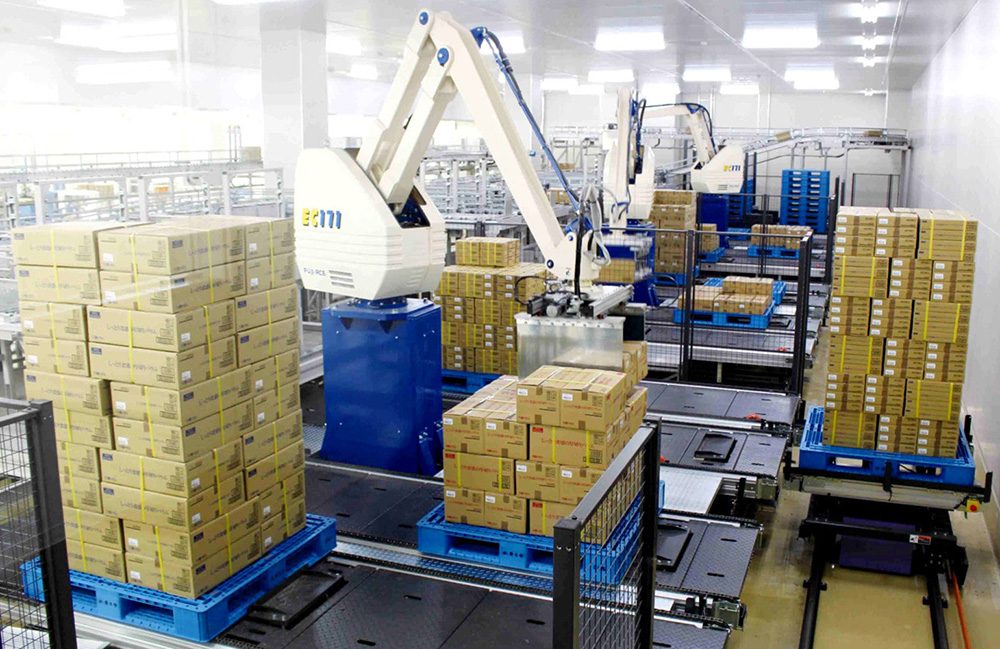
Closing the reality gap: Why real-time execution has become the new competitive advantage
Daifuku's Cecile Dick-Calmes said success is no longer measured solely by automation density or equipment utilization. The post Closing the reality gap: Why real-time execution has become the new competitive advantage appeared first on The Robot Report .

5699元起!一加16发布:全局165Hz、9000mAh电池、2亿像素主摄全来了
智东西 作者 | 杨京丽 编辑 | 李水青 智东西10月12日西安报道,刚刚,一加发布最新旗舰手机一加16。一加16搭载 第六代骁龙8超级至尊版 ,支持最高原生 185帧游戏体验 ,配备 9000mAh电池、第四代东方屏及2亿像素主摄 。 同时,一加16还配备自研 电竞网络芯片G3、超级显示芯片P4和灵犀触控芯片T3 ,搭配新一代 “冰河散热系统” 。充电方面,一加16支持 100W有线快充和50W无线快充 。 一加中国区总裁李杰在发布会上透露,2025年一加手机销量同比增长44%,增速位列行业第一,今年截至发布会前,一加手机销量 同比增长18% ,是目前手机行业 唯一保持两位数增长的品牌 。