Will ‘boring’ robots win in the real world? Why robotic form should follow workflow
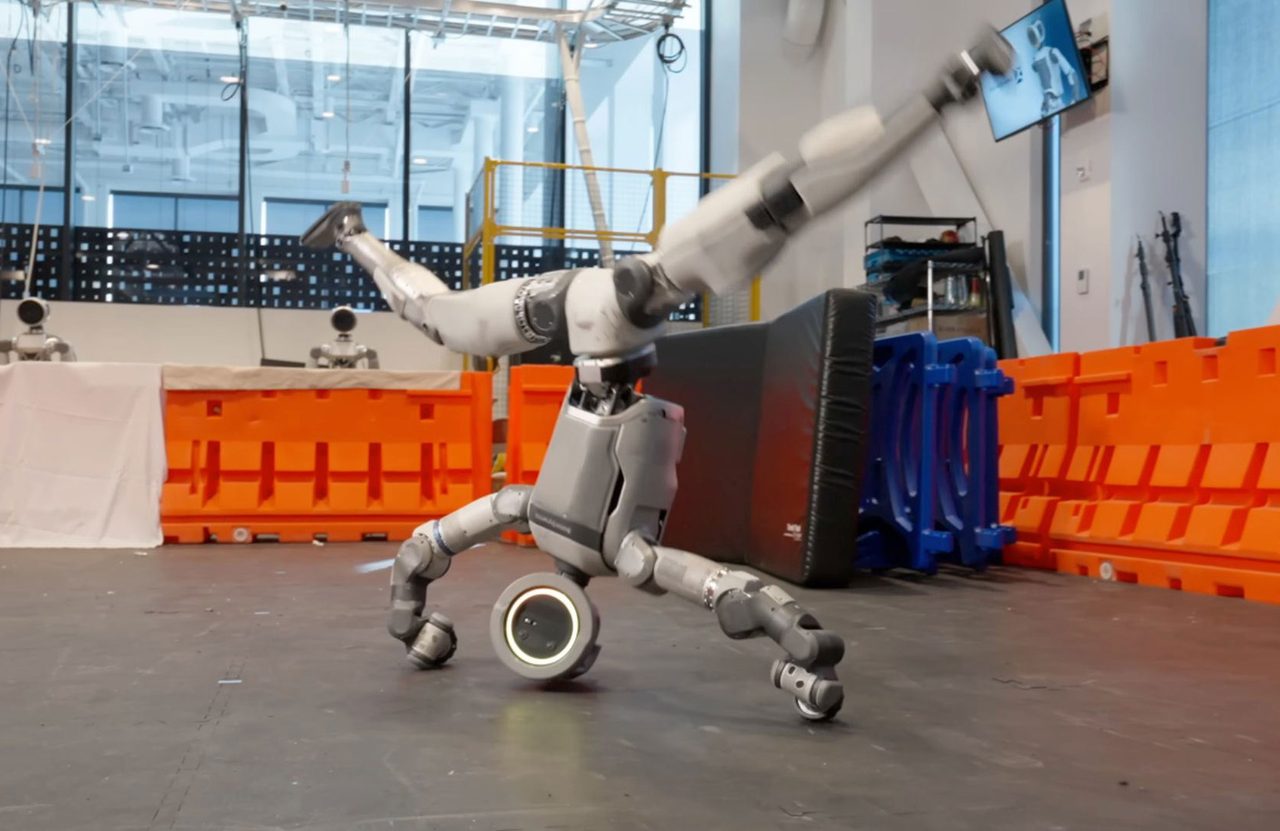
The Atlas humanoid robot doing a cartwheel. | Source: Boston Dynamics
Robots have captured our imagination. We have seen humanoids balancing on one leg, doing backflips, folding laundry, and moving smoothly over difficult terrain. This is all behavior that only a few years ago seemed like something out of science fiction. These viral examples matter because they show that embodied AI has reached a new technical stage.
At the same time, the window on what qualifies as a “ humanoid robot” seems to be shifting. Robot companies are adding wheels, more sensors , new manipulators, hats, and screens, while they take away eyes and heads from their humanoid robot designs.
As an engineering ecosystem working directly alongside humanoid developers to solve core hardware bottlenecks, we see a recurring theme. The industry frequently gets caught up in “robot-forward” thinking. We build an extraordinary physical platform first, then scour industrial sites for a task for it to perform.
If we want to move physical AI from social media feeds to a sustained commercial level, we must reverse our current approach. The industry needs a design method that works backwards from the workflow. Begin with a task that has economic value. Consider whether a robot can carry out that task better than a human can.
Then, go backwards to find out exactly what hardware, sensing capabilities, and form factor are actually needed to carry out the task.
The sensor stack is born in the task, not the datasheet
Successful industrial robot forms follow their functions. Source: Vishay Precision Group Inc.
If you start by designing a platform, you will likely end up with a compromised hardware stack. The specific workflow determines the machine’s engineering requirements.
Let’s take as an example a bipedal humanoid robot that is asked to carry out two different industrial work processes. One involves inserting a pin on an automotive assembly line and the other involves packing a pallet in a logistics center.
A pin connector insertion task generally involves a 20 µm clearance and 5 N mating force. So, there needs to be contact-force resolution below 0.1 N and a control bandwidth fast enough to detect jamming before a sensitive pin bends.
Yet, when using the same arm for bulk pallet packing, you need almost none of that high-frequency micro-force resolution. Instead, you need heavy payload capacity, structural rigidity, and the ability to endure 1 million cycles without baseline mechanical drift.
If you are building a general-purpose platform, a single “middle-of-the-road” force sensor may result in a system that could make precise pin insertion difficult. The system could also lack the durability needed for continuous heavy lifting.
The workflow also determines your error budget. This is the only factor that turns force sensing from a cost item into something that provides a demonstrable return on investment.
Attempts to improve force sensing often fail. For example, our tests have shown that using a specific calculation maintaining contact force at ±0.2 N, can reduce connector scrap in amounts from 1.2% to 0.5%. This can translate into annual estimated savings of approximately $450,000 per assembly line. This kind of economic argument is only possible if you begin with the task in question.
That is exactly the reason why the selection of critical components, for example those based on strain sensing, must take place at the architectural design stage rather than being treated as an afterthought when preparing the bill of materials (BOM).
Strain sensing can provide valuable data if incorporated early in designs. Source: Vishay Precision Group
Adjusting the robot rather than adjusting the facility
The tendency to focus on the task first raises the main question about form factor. Is a specialised form factor the better choice? When is a humanoid design strictly necessary?
Operating environments can be divided into two types: greenfield and brownfield. The real issue is not what the robot should look like, but whether it is cheaper to modify the robot or to modify the facility.
With greenfield sites, you can use specialized robots. With brownfield sites, like an existing refinery or chemical plant, the robot has to adapt to spaces created for humans.
In greenfield builds, like Equinor ’s Northern Lights facility, the operator can design the layout from the beginning and construct the facility around the task. So, specialized, non-humanoid forms almost always prove better in terms of unit economics, speed, and energy efficiency. Legged and wheeled robots are more reliable for the types of tasks they carry out.
However, in most cases, industrial activities take place in brownfield sites, where the only practical option is to adapt the existing platform. These sites have narrow aisles, stairs, floor grating, and doorways designed with the human body in mind. In this situation, a human-suitable form factor, whether that involves legs, two arms, or a humanoid shape, becomes a major advantage. It lets the equipment operate in environments designed for people without spending millions of dollars retrofitting the facilities.
The true test for a humanoid design is whether, if you were starting again, you would still go with a humanoid. When human compatibility is needed, the basic physical requirements stay the same: foot contact, joint torque, and wrist force.
The robots may come in different shapes, but they have the same sensory physics. Strain-based sensing endures even when the form factor changes, offering fundamental ground-truth measurement regardless of how your physical platform develops.
One test for humanoids is whether human compatibility is required. Source: Vishay Precision Group
Deployment depth beats demo breadth
Flashy viral videos show what is technically possible. The true test, however, is not the demonstration itself but the second purchase order. Only through repeat orders can business utility…
News is gathered automatically from public robotics & AI feeds on a schedule.
Related

12 分钟订单破万,吉利银河战舰 700,要订下新能源越野的新标准
图片来源:吉利银河 「这台车我们造了 5 年,这也是吉利第一次造越野车。」吉利汽车研究院院长李传海说到。 就在几分钟前,10 月 10 日,吉利银河战舰 700,一台新能源野车正式发布,16.98 万(限时焕新价)起的价格,让这台最高配备三电机四驱,千匹马力,能爬 45° 坡、能应急浮水的越野车,变得十分打动人心。 吉利银河战舰 700 的价格梯度比较大|图片来源:极客公园 事实也是如此,在发布会后 12 分钟,吉利银河战舰 700 的订单数量就突破 1 万台。 但在显性成功的背后,你确实会猜测,可能恰恰因为吉利「缺乏越野基因」,才能让团队没有任何包袱,从底层架构层面,重新思考新能源时代的越野

马斯克豪言 SpaceX 估值将超1000万亿美元,遭拉表打脸;传腾讯字节加速个人智能体研发;四部门拟禁止汽车采用全隐藏式门把手
马斯克豪言 SpaceX 估值超 1000 万亿美元,惨遭拉表打脸 近日,马斯克在社交平台大胆预测,SpaceX 未来估值有望突破 1000 万亿美元,体量将远超当前全球经济总量。目前 SpaceX 估值仅约 2.2 万亿美元,而 2025 年全球 GDP 总量约 118 万亿美元,此番极具颠覆性的超高估值言论引发全网热议与质疑。 面对这一惊人预测,有网友晒出富国银行证券整理的一张名为「说到做到记录,以及其所隐含的折价」数据表格,直接打脸马斯克的激进预测。 表格梳理了特斯拉、SpaceX 多项核心项目,Robotaxi、Semi 卡车、星舰等重点产品的实际落地成果与马斯克此前公布的目标差距悬殊
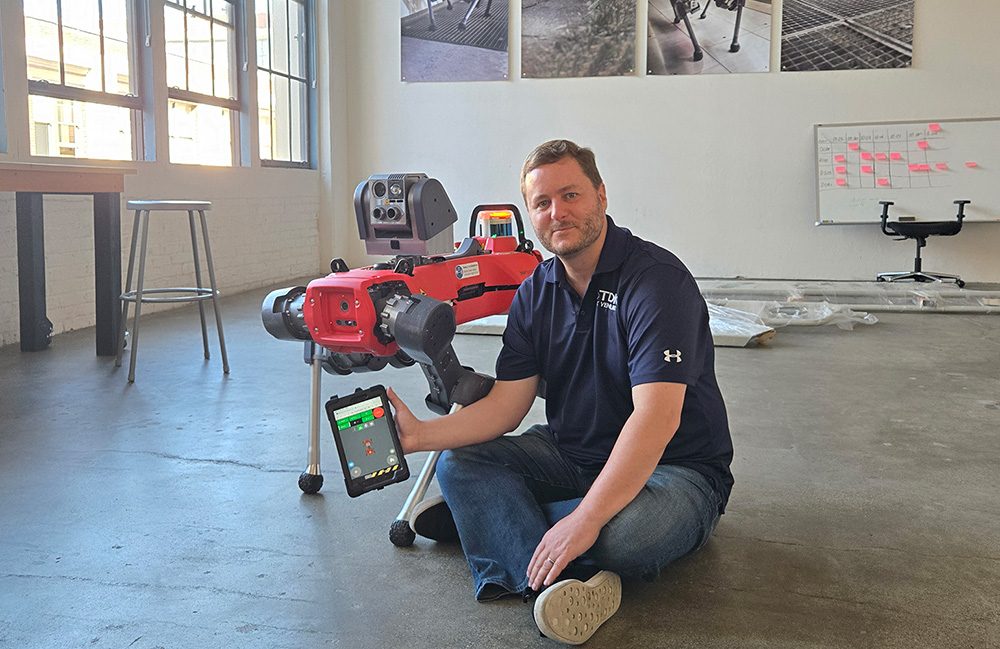
Why dexterity is physical AI’s real bottleneck
The next major challenge in robotic dexterity is making the entire system reliable enough to turn capabilities into useful work. The post Why dexterity is physical AI’s real bottleneck appeared first on The Robot Report .
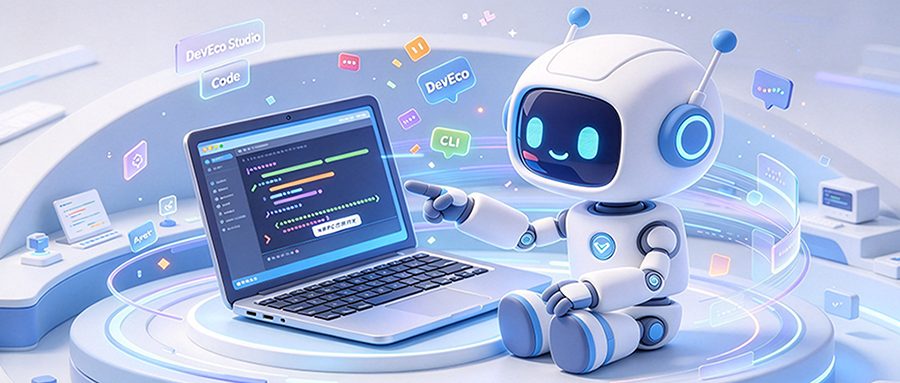
Agentic开发时代到来!鸿蒙PC三大原生开发工具公测,补齐国产操作系统生态关键短板
智东西 作者 | 程茜 编辑 | 漠影 当一台鸿蒙PC,既能跑鸿蒙应用,又能原生开发鸿蒙应用,会发生什么? 智东西10月10日报道,10月8日,可视化一站式IDE工具DevEco Studio、一站式鸿蒙应用AI开发工具DevEco Code与AI开发能力套件DevEco CLI,同步开启鸿蒙PC版公测。 三者分工明确:DevEco Studio主打集成开发、多端调试,承担基础IDE核心能力;DevEco Code提供端到端一站式Agentic开发体验;DevEco CLI对外输出鸿蒙开发能力,可无缝对接外部各类Agent工作流,让 AI 辅助开发融入鸿蒙 PC 原生环境。 DevEco三件套

编程体验接近Opus 5.5?谷歌Gemini 4新版本曝光
智东西 编译 | 杨京丽 编辑 | 李水青 智东西10月10日消息,今日,据外媒Business Insider报道,谷歌正在 内部测试Gemini 4的一个新版本 ,代号为 Carbon ,有望进一步缩小其与竞争对手在编程能力上的差距。 目前,Carbon已接入谷歌内部编程平台Jetski。部分员工认为,该模型的编程体验 与Claude Opus 5.5近似 ,但有员工强调,模型实际需要进行更多测试,才能作出更准确的判断。 谷歌已于10月1日发布Gemini 4 Argon ,重点面向 软件工程、企业知识工作、网络安全防御等场景 ,目前该模型尚未面向公众推出。 Carbon可能是Argon训
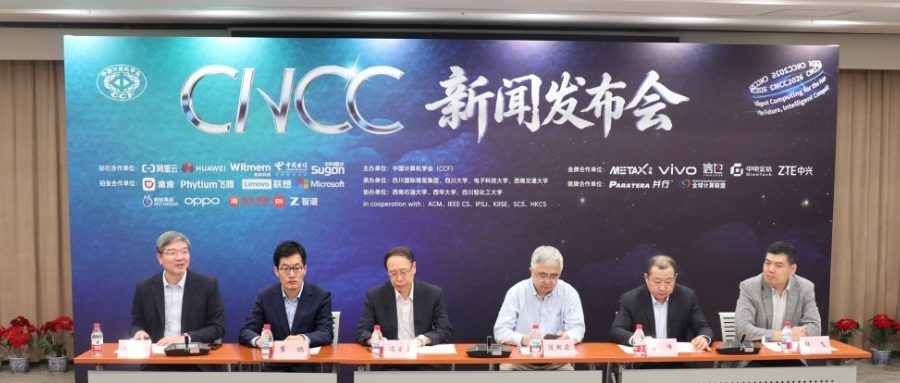
2026中国计算机大会定了,12位院士演讲,腾讯阿里百度、小米京东都来了
智东西 作者 | 王涵 编辑 | 云鹏 智东西10月10日报道,今天,第二十三届中国计算机大会(CNCC2026)新闻发布会在京举行,智东西等媒体受邀参加。 据介绍,CNCC2026将于 10月21日至24日 在四川成都举办,主会场设于中国西部国际博览城和天府国际会议中心,大会主题为 “数聚驱动,智算未来” 。 本届大会共设 17场特邀报告、3场大会论坛、167个专题论坛及40余场专题活动 ,同期还将举办CCF计算机展览会。 其中,专题论坛演讲者有 789位 , 院士级演讲者有12位 ,来自腾讯、阿里、百度、小米、京东等企业专家达 92位 。 专题论坛围绕 11大主题 领域展开,包括:AI基础