Nobody rejected you. A list did.

Eleven at night, kitchen table, laptop open. He has put the dinner things away and put on a shirt for a recorded interview that a computer will watch on Monday morning. There is no interviewer on the other end. There is a timer and a set of questions, and something afterwards that will score him.
He scored plenty of points for being calm and looking at the lens. He has dyspraxia. Nobody asked him what would help, and he did not know he could say.

This is the ordinary shape of applying for work in Britain now. Tools rank the CV, write the advert, decide which of you sees the job at all, and score the video. Most candidates never find out which parts were automated. That silence is not an accident, and it is not the interesting part either.
The interesting part is what you can already demand.
## The employer is liable. Not the software.
This is the line most people get wrong, so let's have it plainly.
The Equality Act 2010 protects job applicants, not only employees, against discrimination on nine protected characteristics. Section 19 covers indirect discrimination: a rule applied to everyone that puts one group at a particular disadvantage. An AI screening tool is a rule. That is all it is.
If the tool downgrades people who took a career break, it is downgrading women. If it penalises a gap with no dates, it may well be penalising illness or caring. If it scores eye contact in a recorded interview, it disadvantages autistic candidates, people with speech impairments, and people whose eyes do not do what the model expects. None of that needs to be intended. If you cannot show the rule is a proportionate way to meet a genuine business need, it is unlawful.
And whose fault is it? Yours, if you are the employer. "The software did it" is not a defence anyone has successfully run. The respondent at a tribunal is the company that bought the tool, not the company that sold it.
The famous case still circulates for a reason: a large technology firm abandoned its CV screening tool after finding it downgraded CVs containing the word "women's", because the model had learned from a decade of hiring men. Nothing in that story required anyone to be prejudiced. The training data was simply old.
## You have three rights, and one of them is new
First, tell you. Transparency is owed to you under data protection law in plain language: that automation is in the process, and what it is doing.
Second, adjust. Employers must make reasonable adjustments for disabled applicants, including during the process itself. Ask for a written route instead of a recorded video. Ask before the interview, not after it. Section 60 of the Act also restricts what a recruiter may ask about your health before a job offer, apart from asking what you need in order to be assessed fairly.
Third, and this is the one that changed recently: **ask for a person.**
The Data (Use and Access) Act 2025 reformed Britain's rules on automated decisions and those changes took effect on 5 February 2026. The near-prohibition became a set of safeguards instead. For any decision made solely by automated means that significantly affects you, which a job rejection certainly is, you must be told, you must be able to contest it, and you must be able to obtain human intervention.
Note the word obtain. A human simply pressing send by the waythrough is not enough. The Information Commissioner's position, echoed by employment lawyers advising employers, is that meaningful review requires somebody with the authority and the information to reach a different answer. "A recruiter that forwards the top 10 of a ranked list has not exercised judgement, they have transmitted a decision." That sentence is from Samira Cakali, head of employment at Winston Solicitors, and it is the clearest thing written on this all year.
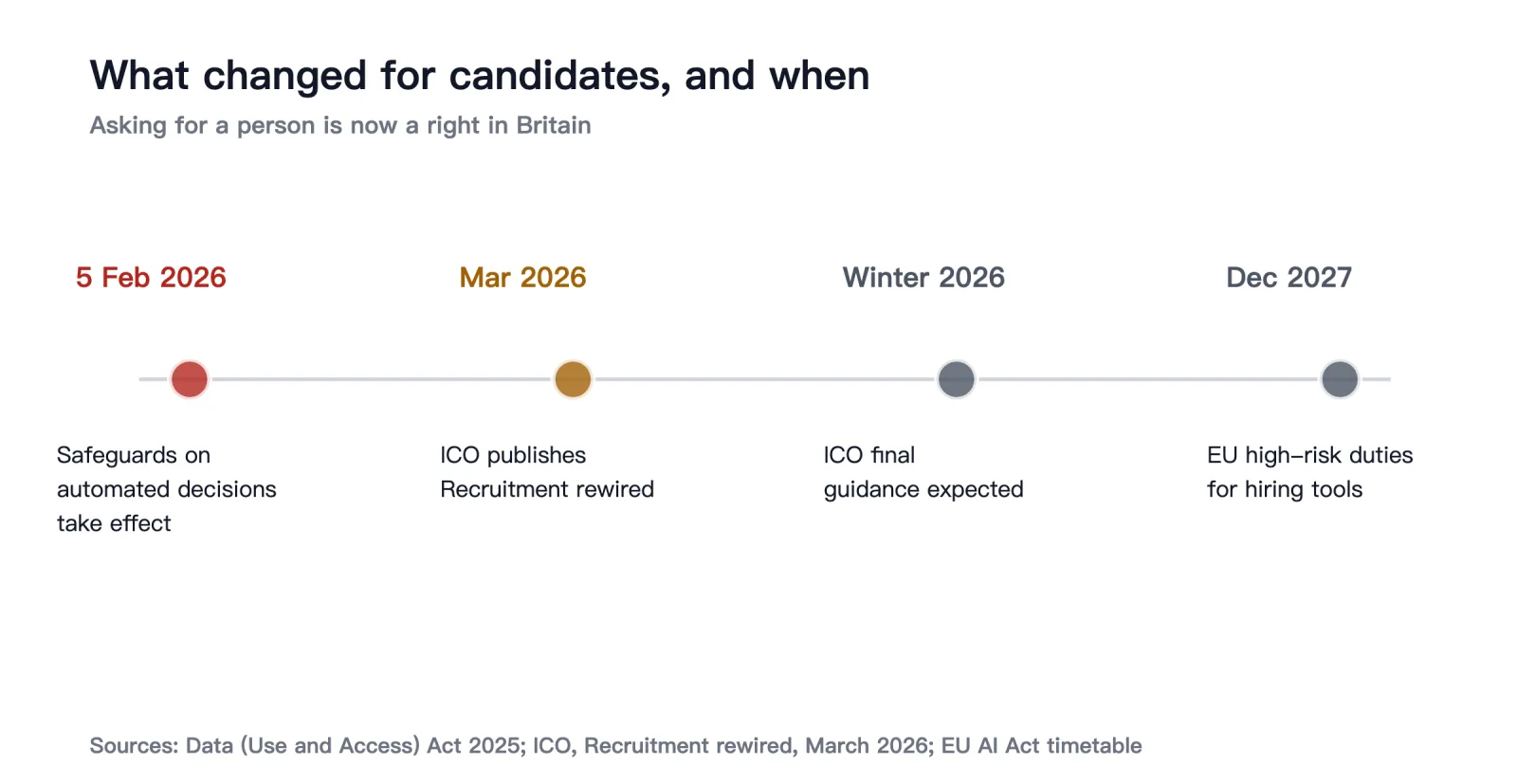
In March the ICO published a report called Recruitment rewired. Its conclusion: many employers using automated recruitment tools are making solely automated decisions without the safeguards the law requires for them, and the impact assessments they were supposed to do beforehand were often thin. Final guidance from the regulator is expected this winter. The rights exist now.
> Ask for a person. Say it exactly like that.
## Why nobody asks
Here is my own judgment, and it is the reason I think this is worth knowing rather than merely interesting.
Almost nobody claims these rights, because claiming them means asking an employer to explain itself, and every instinct in a job applicant says do not make a fuss. The process is built on that instinct. A rejection that arrives four minutes later with no reason attached is designed to end the conversation, and for most people it does.
The employers have already been told the awkward part out loud. Their lawyers are writing it in trade press: the real exposure is not having a bad tool, it is being unable to reconstruct how a decision was made when a rejected candidate asks eight months later. Records get rotated. Staff move on. Contracts end.
So there is a small asymmetry available to you, and it costs one email. You are asking them to do the thing they are already worried about failing at.
## Two emails, if it happens to you
Email one, before you apply to anything automated:
I'm applying for this role and I'd like to know whether any part of the shortlisting is automated, and what criteria it scores against. If any part uses recorded video or automatic scoring, please tell me what alternative route exists. If you need this from me in writing to consider an adjustment, tell me what form you need it in.
Nothing there is rude. One asks for information you have a right to. The other asks for an adjustment the law already obliges them to consider.
Email two, if the rejection comes back with no person behind it:
Was any part of this decision made solely by automated means? If so, I'm exercising my right to human intervention and I'd like a person to review this decision. I'd also like the reason for it, and a copy of the data held about me.
Keep the dates. Discrimination claims go to an employment tribunal, and the clock is three months less one day from the act complained of, with Acas conciliation pausing it. Three months is shorter than most people imagine, and the requests above are what you send first, not after the clock has run.
If the rejection came from a machine and you can show it, that second email is the whole game. If you have a disability or a long-term condition and the process made no room for it, you are looking at something stronger than bad luck, and it is worth twenty minutes with a solicitor who does employment work.
> Rejection arrived four minutes after you pressed send. Take four minutes back.
I do not think most employers want to reject good people. I think a software subscription made rejection cheap, and a cheap rejection is not worth explaining, and anything not worth explaining stops looking like a decision anybody has to answer for.
Which leaves me asking this, and I don't have a settled answer: if a machine can end your application in four minutes and nobody has to tell you why, at what point did applying for work stop being a conversation between people?
Les actualités sont collectées automatiquement depuis des flux publics robotique & IA.
Articles liés

Your son is crying on the phone. It isn't your son.
Three seconds of your voice is enough to copy it. A quarter of British adults think someone has already tried it on them, and the annual fraud report has no line for it.
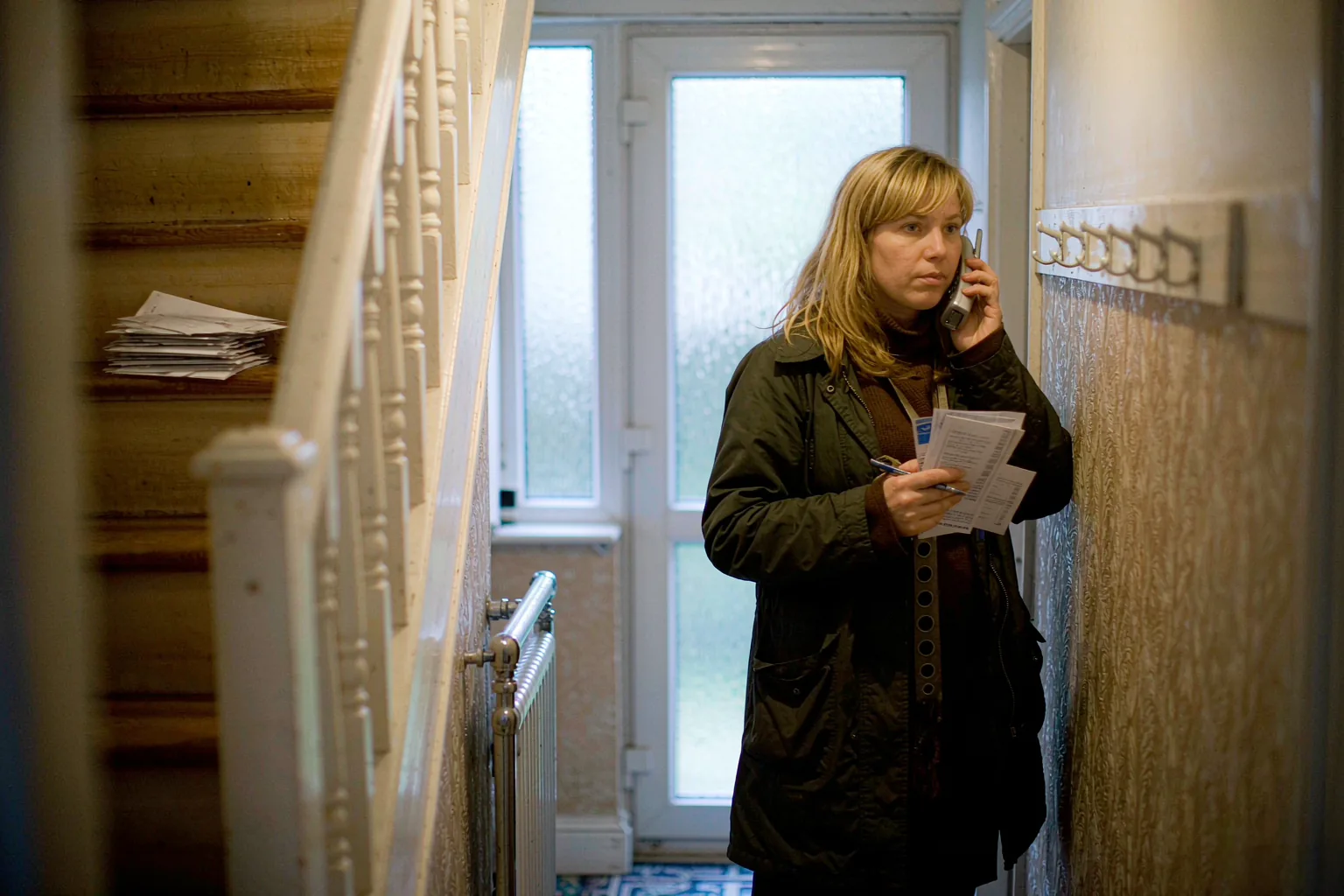
The robot answered. Again.
Seven out of a hundred problems get solved by the automated system. 7.4 million adults could not get through to their provider at all. Here is what still works.

Prove you are forty, or you cannot read this
Prove you are forty, or you cannot read this. The checks are real, the children who want past them are past them, and the people handing over passports are adults.

You can't get a GP appointment. So you tell the chatbot instead.
One in five adults in Britain now turns to an AI for personal advice. This isn't a story about loneliness — it's a story about the waiting list, and about what the thing on the other end can and cannot do for you.

Ce que votre employeur n'a pas le droit de savoir sur vous
Une plainte déposée le 27 octobre décrit comment 900 000 travailleurs sont suivis à la frappe près. En France, ce genre de surveillance est déjà encadré par le Code du travail — et c'est interdit depuis février 2025 pour les émotions.
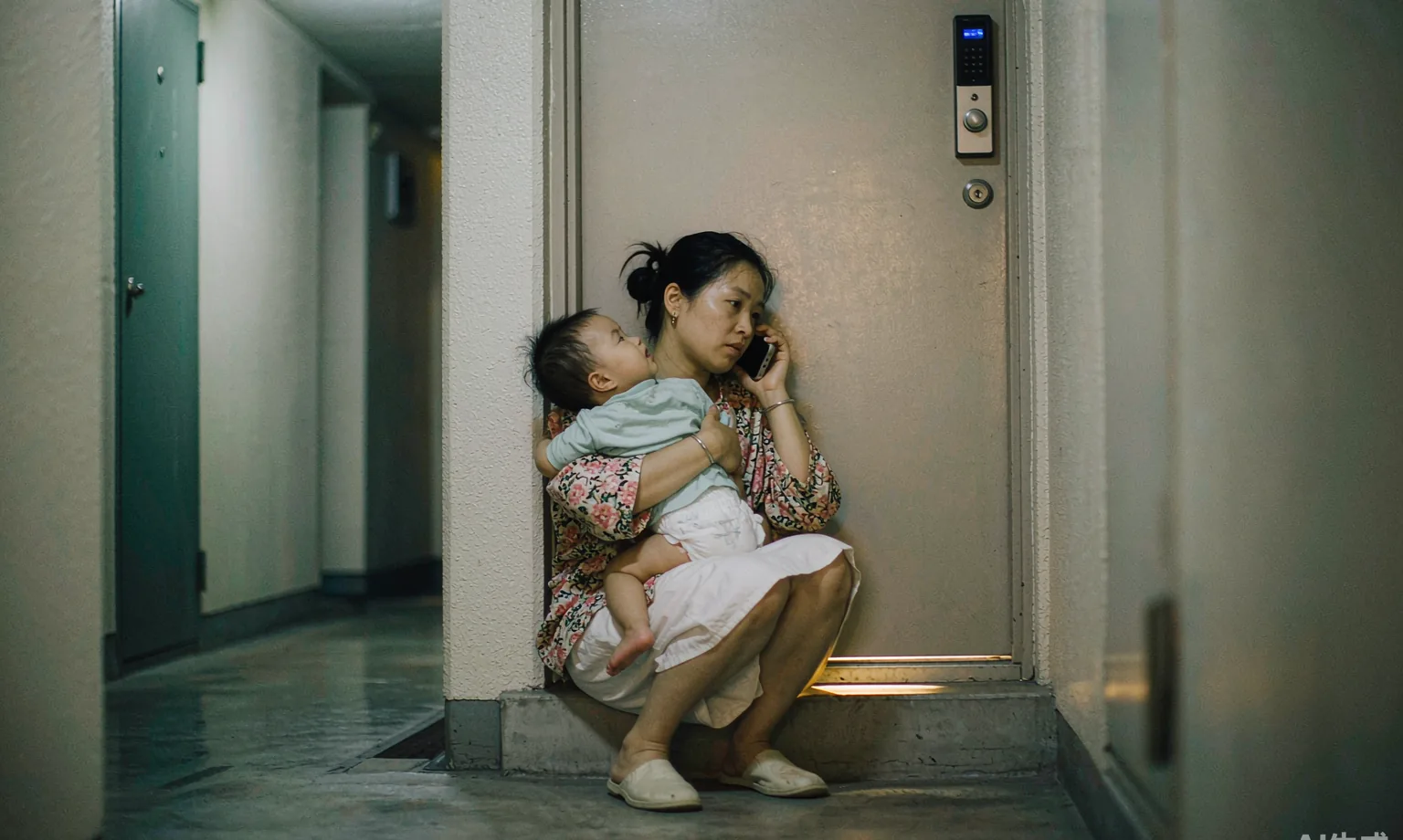
孩子饿得直哭,门锁打不开,电话里只有一句「亲」
智能锁坏了,一家三口被关在门外 50 分钟,电话里只有循环播放的话术。转人工难不是技术跟不上,是企业把 AI 当成了过滤网。附一份今天就能用的『找到真人』清单。