Space robotics: notes from an IROS 2026 plenary session
By Emmet Cole
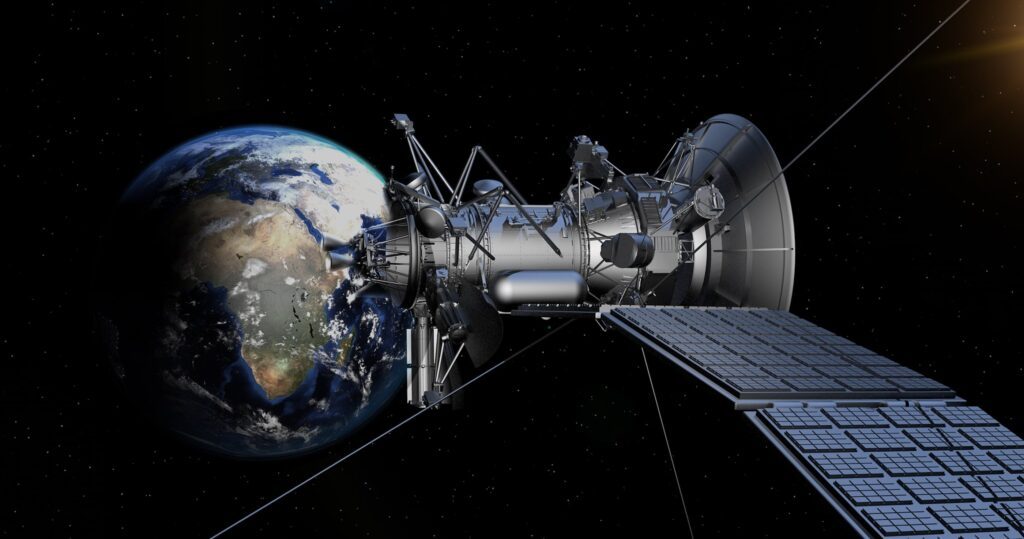
Space robotics was the focus of a plenary panel at IROS 2026 in Pittsburgh, where speakers from NASA, JAXA and academia discussed the roles robots will play in lunar exploration, human spaceflight and work in orbit. Their examples ranged from unloading cargo and building lunar infrastructure to collecting samples from Phobos and removing space debris.
The presentations also pointed to a wider question: how can investment in space robotics advance capabilities that matter on Earth?
Rob Ambrose , a professor at Texas A&M and former NASA principal technologist for robotics and autonomy, made that case through the potential links between lunar work and industries such as construction, transport, logistics, mining and solar power.
Ambrose acknowledged that Earth orbit is likely to remain the largest space market for the foreseeable future. Most space activity and investment are concentrated there, and that market is likely to keep growing even as lunar and, eventually, Martian activity expands. But technologies needed on the Moon could also help address practical problems on Earth.
Robots used to move materials, build habitats, install power systems and extract resources on the Moon will share challenges with those faced by industries on Earth. Ambrose pointed to driverless vehicles, logistics, solar-array assembly, construction and mining as areas with strong potential for shared development. He estimated that the sectors he discussed represent more than US$10 trillion in existing Earth markets.
“NASA is essentially a real estate endeavour,” he said. “In the solar system, it’s all about location, location, location.” The immediate commercial activity may be concentrated in Earth orbit, he suggested, but lunar robotics could generate benefits across much larger terrestrial markets.
He described the International Space Station as an example of how much robotic work already takes place in orbit. Robotic systems unload cargo vehicles, move equipment and store materials for disposal. The systems are “the unsung heroes” of the station, he said, performing tasks that would otherwise take up crew time. A short animation shown during the presentation compressed about six weeks of work into two minutes.
View from NASA
NASA’s next steps for human spaceflight will require a broad range of robotic capabilities. Kim Hambuchen , deputy chief of the Software, Robotics and Simulation Division at NASA’s Johnson Space Center, said the agency was changing direction after deciding to pause plans for Gateway, an orbital outpost around the Moon. NASA is now focusing on its MoonBase project, with an initial operating capability targeted for 2029 and a longer-term goal of a semi-permanent human presence.
The plan will require robots to build and connect habitats, move supplies, distribute power and use lunar material to produce resources. In-situ resource utilisation, or ISRU, could eventually help provide water, rocket fuel and breathable air. Many of these tasks will need to be carried out when astronauts are not on the surface.
Hambuchen outlined several mobility platforms in development, including NASA’s VIPER rover, designed to investigate lunar volatiles, and vehicles being developed by Astrolab and Lunar Outpost. Japan’s space agency, JAXA, is also developing a pressurised rover with partners. The vehicles will carry people, but also need to operate robotically when astronauts are absent, supporting scouting and science.
Mobility is only part of the challenge. Lunar landers will deliver cargo that needs unloading, while equipment and supplies must be moved between vehicles, habitats and work sites. Robots could also handle waste, a routine but time-consuming task on the ISS. “We’d rather not spend time with an astronaut in their spacesuit unloading a cargo vehicle,” Hambuchen said. “We want them doing the really good science.”
Hambuchen also stressed the need for greater autonomy on more distant missions. A new NASA challenge is seeking deep-space autonomous robotics technologies. The Moon is close enough for some ground intervention, she said, but missions involving more complex systems farther away will require robots to handle more problems themselves.
JAXA’s perspective
Hiroshi Ueno of JAXA described Japanese government funding intended to expand the domestic space market and support commercial development. The programmes cover technologies such as orbital manufacturing and assembly, spacecraft mobility, refuelling, space logistics and debris removal.
One example is the Martian Moons eXploration mission, or MMX, which is designed to visit Phobos, collect a sample and return it to Earth. Its sampling robot must work with limited information about the landing site and only a short period for surface operations. A slide showed a coring mechanism designed to collect more than 10 grams of regolith in under a minute. Ueno said the mission faces uncertainty about the surface, communication delays and tight time constraints.
JAXA is also working with Japanese companies on debris removal. The first phase of its Commercial Removal of Debris Demonstration programme developed rendezvous and proximity-operation capabilities for non-cooperative targets: objects that do not provide the navigation signals or other aids used by cooperative spacecraft. The next phase is intended to capture and remove a larger piece of debris.
The partnership model gives companies a leading role in design, manufacturing, testing and operations. JAXA sets technical and safety requirements and provides advice and access to facilities. The aim is both to improve the space environment and to encourage a commercial market for servicing.
Ueno said future servicing should become easier for commercial users to adopt. “We want to democratize this on-orbit servicing,” he said, through more autonomous docking and standardised interfaces that reduce the need for ground intervention.
Robots are already supporting…
News is gathered automatically from public robotics & AI feeds on a schedule.
Related
How DARPA Challenged Teams to Bring Robots Into Disaster Triage
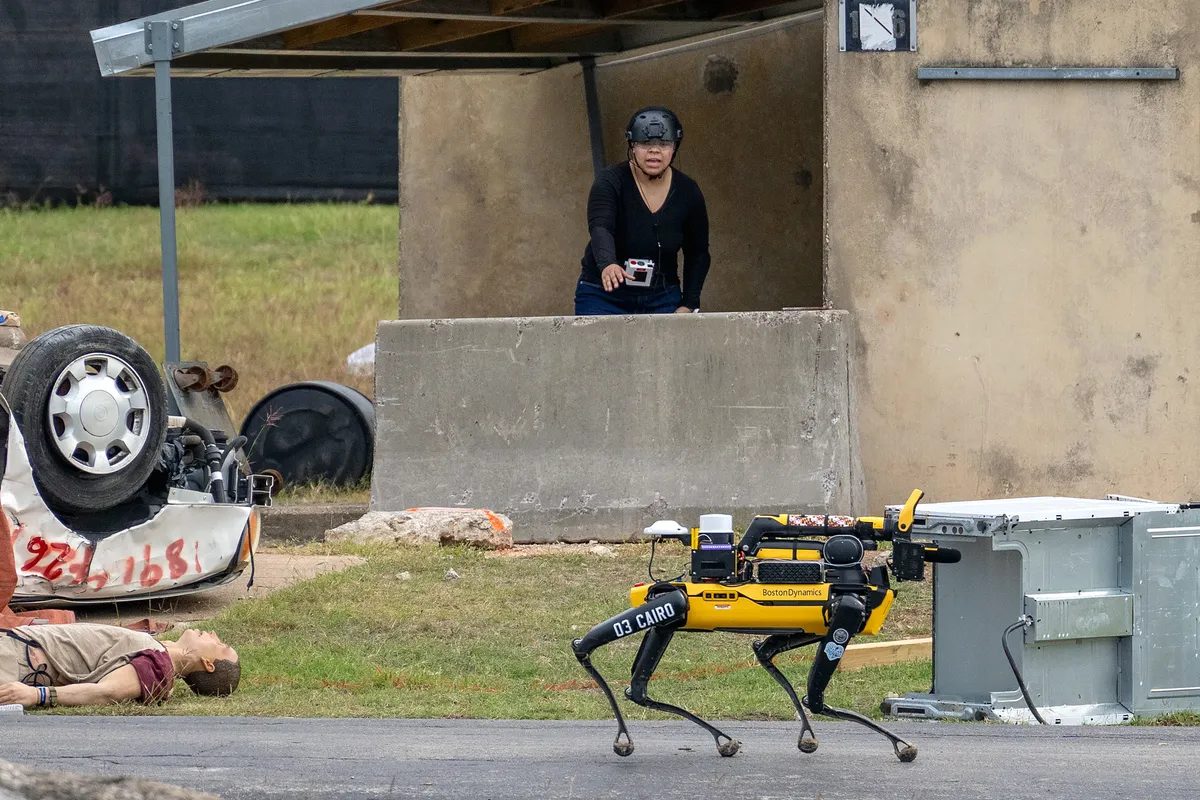
On 5 November, 10 teams descended upon a 52-acre mock town in College Station, Texas called Disaster City . They were there for a nine-day competition to see how well teams of robots and humans could navigate simulated catastrophes, like a market ravaged by a tornado and a nighttime strike on a mili

Human Stories Behind the Robot: from bold ideas to real-world impact
What happens when a research idea seems too ambitious, too unfamiliar or simply too early for the world to understand? In this episode of The Human Stories Behind the Robots, Professor Sabine Hauert OBE shares her journey from experimenting with flying robot swarms to developing technologies that co
Video Friday: Drone Squeezes Itself to Fit Through Tight Spaces
Video Friday is your weekly selection of awesome robotics videos, collected by your friends at IEEE Spectrum robotics. We also post a weekly calendar of upcoming robotics events for the next few months. Please send us your events for inclusion. Humanoids 2026 : 6–9 December 2026, SANTA CLARA, CA Enj
Robot Talk Episode 171 – Programming robot behaviour, with Sebastian Castro
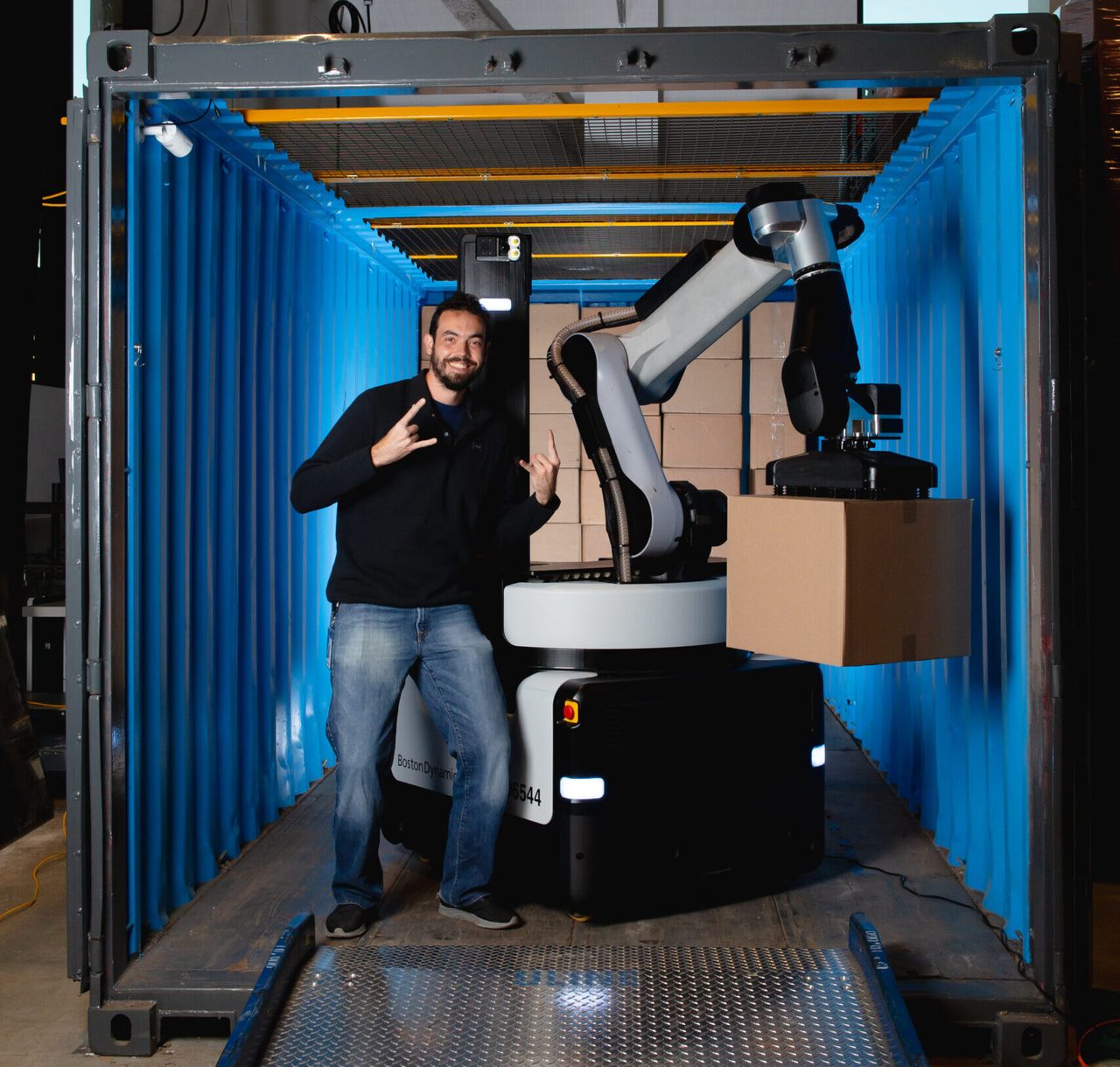
Claire chatted to Sebastian Castro about developing open-source software for robot task planning and behaviour. Sebastian Castro is an independent roboticist specializing in robotic manipulation. He is currently contracting with the Dexterous Robotics Group at NASA’s Johnson Space Center. Sebastian
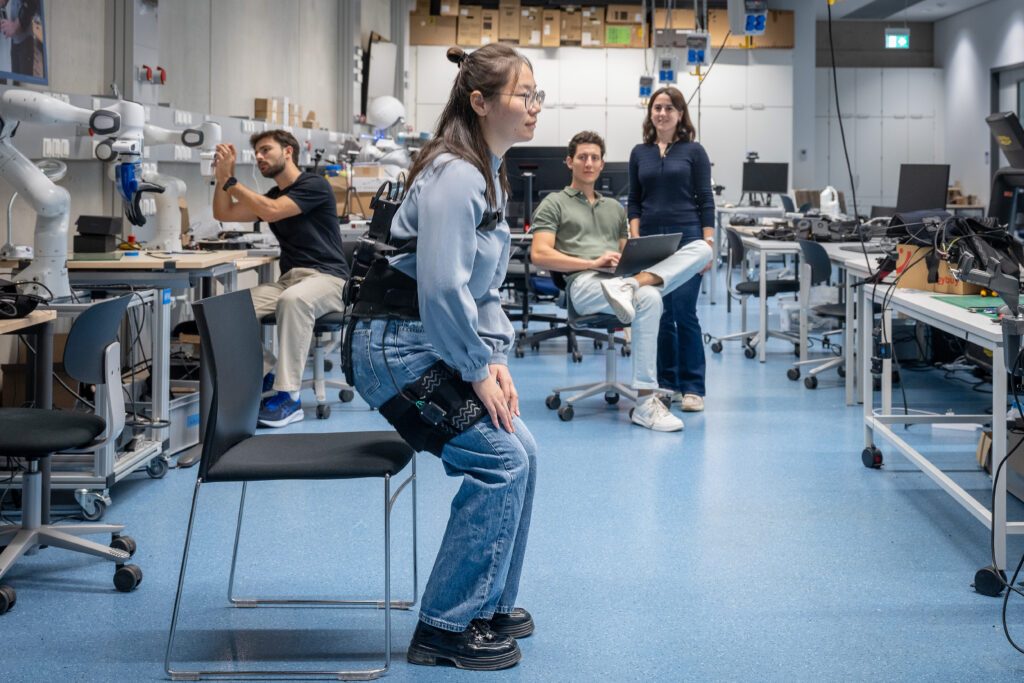
Soft exosuit makes it easier to stand up
Exoskeletons developed at Professor Lorenzo Masia’s lab help elderly people and those with medical conditions move more easily. They also assist industrial workers in performing heavy tasks. Photo: Andreas Heddergott / TUM. Getting up from a chair can be difficult for older people, often due to decl
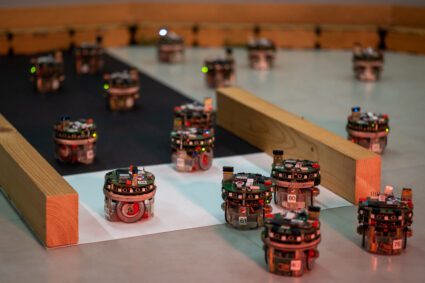
Robot swarms trained by trial and error in simulation keep working on real robots
Reinforcement learning lets robots learn behaviors on their own, through trial and error, usually inside a computer simulation. Moving what they learn onto physical robots is another matter. Simulated and real robots never behave quite the same way, a mismatch known as the “reality gap,” and reinfor